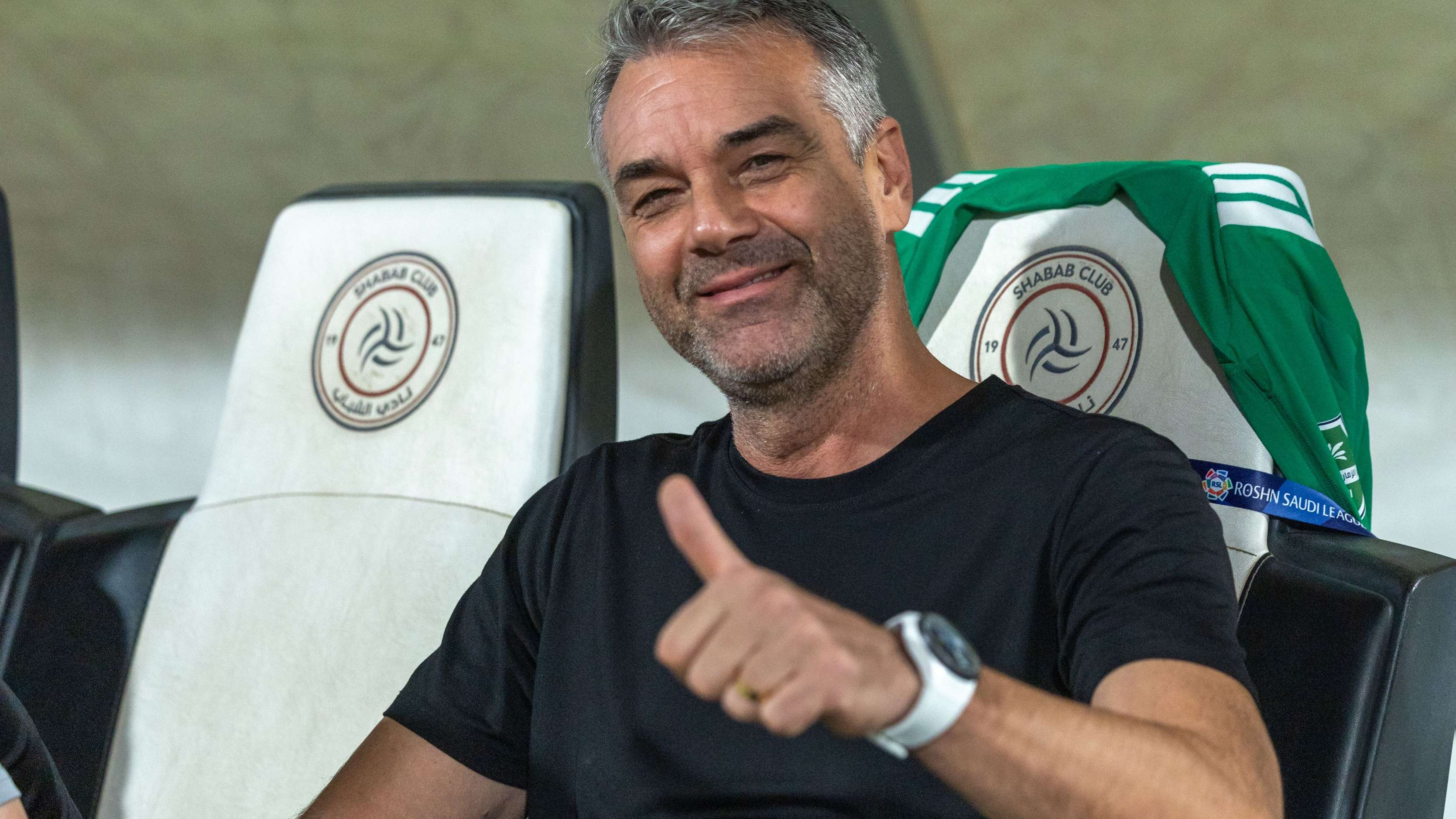

Al-Ahli Fans Turn on Marino Pušić After Al-Sadd Draw
Al-Ahli’s goalless draw with Qatar’s Al-Sadd in the fourth round of the AFC Champions League Elite left supporters frustrated—and intensified questions about head coach Marino Pušić’s future. The Saudi side had been looking for a convincing response after a difficult run of results, but despite creating opportunities, they could not find the goal that would have secured all three points.
The 0-0 result came after Al-Ahli suffered a heavy 6-1 defeat to Al-Shabab in the Saudi Roshn League. That loss had already increased pressure on the coaching staff, with speculation growing that Pušić could be dismissed. Against Al-Sadd, the team showed more attacking intent, but another match without a win did little to calm the mood among fans.
“Pušić Out” Chants Echo Around the Stadium
Al-Ahli supporters made their feelings clear during the match, repeatedly chanting “Pušić out.” The protest continued after the final whistle, underlining the growing dissatisfaction with the team’s recent performances and results. For fans who had hoped the Asian fixture would mark the start of a revival, the draw felt like another missed opportunity.
The reaction was especially sharp because Al-Ahli had spells of control and created several promising chances. Supporters could see their team putting Al-Sadd under pressure, but the lack of a decisive finish turned that attacking effort into frustration. In football, possession and chances matter only when they lead to goals—and Al-Ahli’s inability to convert proved costly.
Pušić left the pitch for the dressing room without approaching the stands to acknowledge the crowd. His decision added another talking point to an already tense evening, although the coach later offered an explanation rather than responding directly to the chants.
Why Pušić Did Not Salute the Fans
Asked why he had not gone over to salute the supporters, Pušić said he preferred to leave that moment to his players. He described the exchange between the team and the fans as something special for those who had competed on the pitch.
“Saluting the fans is a very special moment for the players,” he explained. “I am always accustomed to saluting the fans from afar, and leaving the space for the players to receive the appreciation they deserve.”
The answer was calm, but it did not remove the uncertainty surrounding his position. With supporters openly calling for change, attention will remain on how the club responds and whether the coach can deliver a result strong enough to ease the pressure.
Pušić Calls the Draw “A Point Won, Two Lost”
Pušić was disappointed with the scoreline, even as he praised his team’s performance. He described the result as “a draw with the taste of defeat,” arguing that Al-Ahli had done enough during the match to claim victory.
“We won a point, but we lost two points based on the course of the match,” he said. His assessment reflected the contrast between Al-Ahli’s attacking work and the final outcome: the team reached dangerous positions, tested Al-Sadd’s defence and forced the goalkeeper into important saves, but could not turn those moments into a breakthrough.
Pušić pointed to Al-Sadd’s goalkeeper receiving the man-of-the-match award as evidence of the pressure his side had created. He also said he was proud of the players’ effort and believed Al-Ahli had controlled much of the contest.
“We played well and dominated the course of the match significantly,” he said, adding that the team’s main shortcoming was its finishing after wasting a number of chances. He described himself as completely satisfied with the players’ performance and stressed that Al-Ahli had posed a genuine threat to the Qatari side’s goal.
Finishing Remains the Key Concern
Pušić’s comments point to a familiar challenge for Al-Ahli: turning attacking pressure into reliable goal production. A team can dominate possession, move the ball into dangerous areas and force saves, yet still leave the pitch without a win if the final pass or shot lacks precision. Against Al-Sadd, the goalkeeper’s performance became a major factor, but Al-Ahli will also need to examine how it can make its chances count.
That issue is particularly important after the 6-1 defeat to Al-Shabab. A convincing attacking display could have helped rebuild confidence, but a scoreless draw offers only limited reassurance. The team showed signs of a response, yet supporters will judge progress by results as much as by performance.
What Comes Next for Al-Ahli?
The next fixtures could prove significant for Pušić and his players. Al-Ahli need to turn their attacking approach into goals and deliver a win that can ease the tension around the club. The coach will also need to show that his side can recover quickly from setbacks, maintain defensive organisation and remain composed when chances are missed.
For supporters, the central question is whether the Al-Sadd match represents a step toward improvement or another frustrating result in a disappointing stretch. Pušić believes his team played well enough to win, but the crowd’s reaction shows that patience is running short.
Al-Ahli vs Al-Sadd Prediction: Pressure Builds After Another Stumble
Any football prediction about Al-Ahli’s next performance must account for both sides of the picture: the team created danger against Al-Sadd, but its recent results have raised doubts about confidence and finishing. If the players reproduce the same attacking intensity while improving their decision-making in front of goal, they have the potential to respond positively. If missed chances continue, however, frustration among fans—and scrutiny of Pušić—are likely to grow.
For now, the coach is standing by his players’ display, while supporters are demanding a clearer return in the standings. Al-Ahli’s challenge is to make the next performance count. After a heavy league defeat and a goalless continental draw, a win would offer the most persuasive answer to the growing criticism.