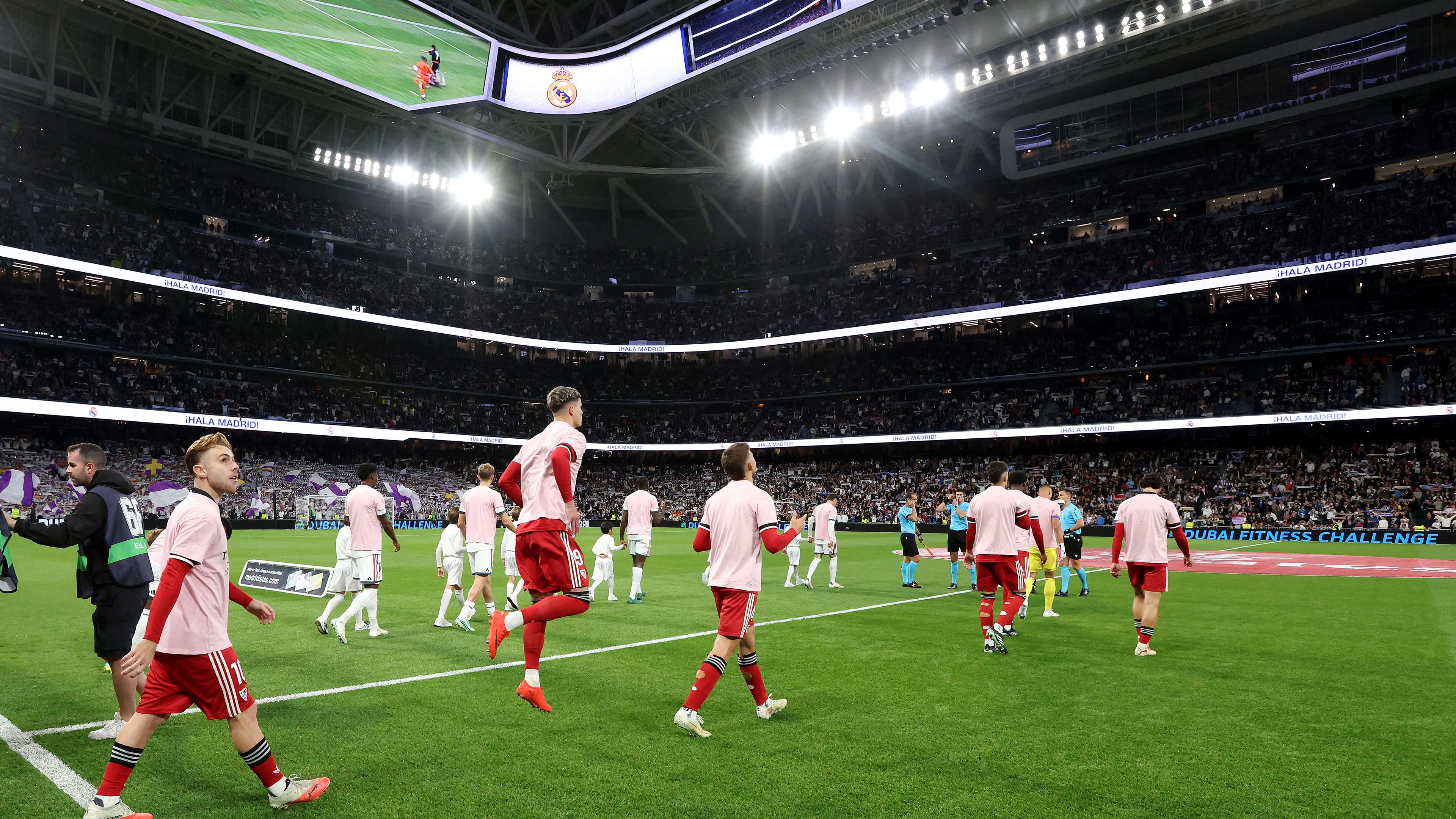

Arda Güler Avoids Red Card as Real Madrid Controversy Deepens Against Sevilla
A heated refereeing debate overshadowed Real Madrid’s ninth-round meeting with Sevilla after Arda Güler appeared to elbow Peque Fernández during a counter-attacking move. The incident, which prompted a lengthy VAR review, raised a central question for fans and analysts: should the Real Madrid midfielder have been sent off?
The flashpoint came in the 24th minute, with the score still level. Fernández had tugged at Güler’s shirt as Real Madrid advanced, and the Turkish international responded with an arm movement that sent the Sevilla player to the ground. The referee allowed play to pause while the video assistant referee examined the footage for a possible red-card offence.
After nearly three minutes of deliberation, the decision was made: no red card. Güler remained on the pitch and was not shown a yellow card either. The call immediately became a major talking point, with supporters questioning whether the contact amounted to violent conduct or whether the referee and VAR team were right to treat it as an incident that did not merit dismissal.
Why the VAR decision divided opinion
Elbow incidents are among the most closely scrutinised moments in football because the referee must assess more than the result of the contact. Officials typically consider the force used, the movement of the arm, the distance between the players and whether the action appeared deliberate. A shirt pull may explain the context, but it does not automatically justify a retaliatory response.
That distinction is likely to fuel debate around the Güler incident. Some viewers may see the midfielder’s action as an attempt to free himself from Fernández’s grip during a fast-moving attack. Others may argue that swinging an elbow toward an opponent carries an unnecessary risk and should be punished more severely, particularly if the movement is judged to be intentional.
VAR reviews are designed to correct clear and obvious errors, but they do not remove every grey area from refereeing. Slow-motion replays can make contact look more forceful, while real-time footage may offer a better sense of the speed and context of the challenge. The final decision depends on how the officials interpret the available angles and apply the Laws of the Game.
Güler scores five minutes after the flashpoint
The controversy intensified when Güler opened the scoring in the 29th minute, just five minutes after the incident. His goal gave Real Madrid the advantage and ensured the VAR decision would remain at the centre of post-match discussion. Had he been dismissed, the match could have taken a very different direction, with Madrid forced to continue with ten players.
Instead, Güler stayed involved and delivered a decisive contribution. The timing created an unusual contrast: one moment, he was at the centre of a potential red-card controversy; moments later, he was celebrating a goal. That sequence also sharpened the debate about the consequences of the refereeing call, although the goal itself does not determine whether the earlier decision was correct.
For Real Madrid, the episode highlighted the fine margins that can shape a match. A dismissal can change a team’s formation, reduce its attacking options and force players to take on additional defensive responsibilities. Avoiding a red card allowed Madrid to maintain its planned approach, while Güler’s goal provided an immediate reward on the scoreboard.
What the incident means for Real Madrid and Sevilla
For Sevilla, the moment was frustrating because Fernández was left on the ground and the visitors may have felt the incident deserved a stronger sanction. In closely contested fixtures, decisions involving possible violent conduct can influence momentum as much as a penalty or a disallowed goal. The absence of a card also meant Sevilla had to continue facing Güler, who soon made his mark in the match.
Real Madrid, meanwhile, will be keen to focus on the result and the attacking quality that produced the opening goal. Yet the incident may remain part of the wider conversation around discipline and consistency. Players are expected to manage physical challenges without retaliating, while officials must distinguish between an aggressive act and contact that falls short of the threshold for a sending-off.
For supporters assessing the match, the key question is not simply whether Güler made contact with Fernández. It is whether the arm movement was sufficiently forceful and deliberate to meet the standard for a red card. That is why opinions remain divided, even after VAR had several minutes to review the footage.
Upcoming fixtures keep the focus on Madrid
Real Madrid’s next listed fixture is a Champions League meeting with RB Leipzig on 22 October 2026, scheduled for 03:00. The team is then set to return to LaLiga action against Osasuna on 27 October 2026, at 04:00. These upcoming matches will provide a fresh test of Madrid’s form and squad depth, while the Sevilla encounter offers another example of how quickly a single refereeing decision can dominate the football conversation.
As fans look ahead, the Güler incident is likely to remain a talking point in match analysis, referee reviews and online prediction discussions. Whether viewers believe the decision was correct may depend on how they interpret intent, force and the surrounding play. What is clear is that the VAR review failed to settle the argument completely: Güler avoided dismissal, scored minutes later, and left both teams’ supporters with plenty to debate.