
Mohammed Noor Predicts a Difficult Al Hilal Future for Salem Al Dawsari
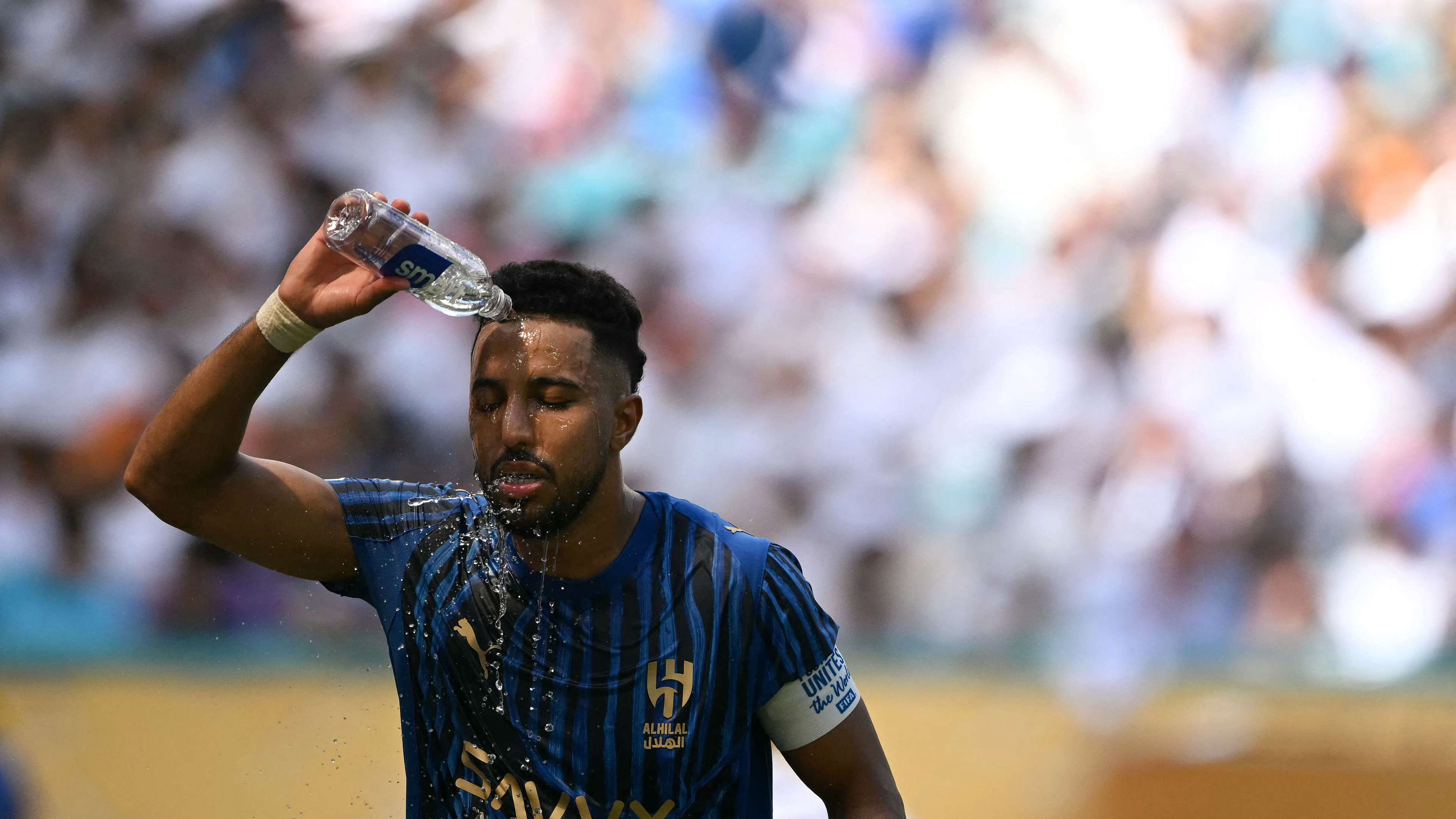
Al Hilal captain Salem Al Dawsari could face a challenging return to the first team after recovering from injury, according to former Saudi football star Mohammed Noor. The Al Ittihad legend believes the club’s major attacking signings have created fierce competition for places—and warned that a prolonged spell on the bench may not suit one of Saudi football’s most celebrated players.
Noor’s comments have sparked discussion about Al Dawsari’s role under head coach Simone Inzaghi. The winger remains an influential figure at club and international level, but his absence has coincided with a major reshaping of Al Hilal’s forward line. Whether the captain can reclaim a regular starting place may depend on his fitness, the coach’s tactical plans and how the new arrivals settle into the team.
Injury concerns continue for the Al Hilal captain
Al Dawsari underwent knee surgery after sustaining an injury while representing the Saudi national team at the 2026 World Cup. His recovery has since been complicated by another fitness concern. Last Friday, Al Hilal said the player had attended its medical clinic after experiencing pain in a foot joint, extending uncertainty over when he might return to action.
The latest update means the 34-year-old’s comeback remains difficult to predict. Even once he is cleared to train and play, he may need time to regain match sharpness. That could make his route back into the starting XI more complicated, particularly as Al Hilal have added several high-profile attacking options to their squad.
For a player used to carrying responsibility for both club and country, the challenge is not simply returning to fitness. Al Dawsari will also need to demonstrate that he can fit into a forward line with new competition and different tactical demands. A careful return could help protect him from further setbacks, but it may also mean limited minutes at first.
Noor warns of a potential dressing-room challenge
Speaking on the Nadeena programme, Noor said the situation could become difficult if Al Dawsari recovers but is not selected regularly. “If Salem Al Dawsari returns and does not play, there will be a problem,” he said, pointing to the emotional and professional pressure that can come with losing a prominent role.
Noor also raised a question about how the club would manage the situation behind the scenes. “Will Al Hilal be able to control Salem in the dressing room? That is an important matter, and the issue is not easy,” he added. His remarks reflect the delicate balance clubs must strike when a respected senior player returns to a team that has continued to evolve in his absence.
There is no indication that Al Dawsari has caused any dressing-room issues. Noor’s comments instead focus on a possible future scenario: a fit, ambitious captain competing for minutes in a squad with several new stars. Clear communication from the coach and club could be crucial in managing expectations, especially if Al Dawsari has to build his way back through substitute appearances.
Al Hilal’s new attacking options raise the stakes
During the summer transfer window, Al Hilal strengthened its attack by signing former Arsenal winger Gabriel Martinelli, ex-Aston Villa forward Ollie Watkins and Dutch winger Crysencio Summerville from West Ham United. The additions give Inzaghi more choices across the front line and increase competition for places in wide and central attacking positions.
That depth could prove valuable over a long season involving domestic competitions and continental football. Injuries, suspensions and fixture congestion often require clubs to rotate, while different opponents call for different tactical approaches. However, a deep squad also means established players may not automatically return to their previous roles after injury.
Inzaghi’s task will be to find a balance between making the most of his new signings and retaining the influence of experienced players. Al Dawsari’s ability to operate in wide areas, create chances and contribute in decisive moments gives the coach a different option from the new arrivals. His experience could be especially useful in high-pressure matches, even if his minutes are managed carefully.
Noor made clear that his assessment was not a dismissal of Al Dawsari’s quality. “I love Salem a great deal, and I consider him one of the 10 best players in the history of Saudi football,” he said. He nevertheless suggested the winger may need to consider his long-term prospects if he cannot secure a meaningful role, advising him to look for a good club next year because he may not accept sitting on the bench.
A prediction with an important qualification
Noor’s forecast was not entirely pessimistic. He also made a bold prediction about what Al Dawsari could achieve if he returns to play for Al Hilal: “Al Hilal will win every trophy.” The remark underlines the former star’s belief in the captain’s importance, while also highlighting the uncertainty surrounding how much he will feature once he is fit.
Al Hilal’s recent 2-0 victory over Qatar’s Al Sadd in Doha, in the second round of the AFC Champions League Elite league phase, offered another reminder of the team’s ambitions. The result strengthened the club’s continental campaign, but sustaining that form will require depth, smart rotation and contributions from players across the squad.
For Al Dawsari, the immediate priority is a full recovery rather than a rushed return. Once available, his performances in training and matches will help determine whether he can reclaim a starting place or become a key rotation option. His leadership and record give him a strong case, but the competition created by Al Hilal’s summer recruitment is real.
The coming months could therefore shape the next chapter of the captain’s career. If he returns at full strength and adapts to Inzaghi’s plans, he may remain central to Al Hilal’s pursuit of trophies. If opportunities are limited, Noor’s prediction of a possible move elsewhere could become a talking point. For now, the decisive factors are Al Dawsari’s recovery, the coach’s selection choices and how the club manages one of Saudi football’s most prominent players.