Yasser Al-Qahtani Recalls His Tough Duel With Egypt Defender Wael Gomaa
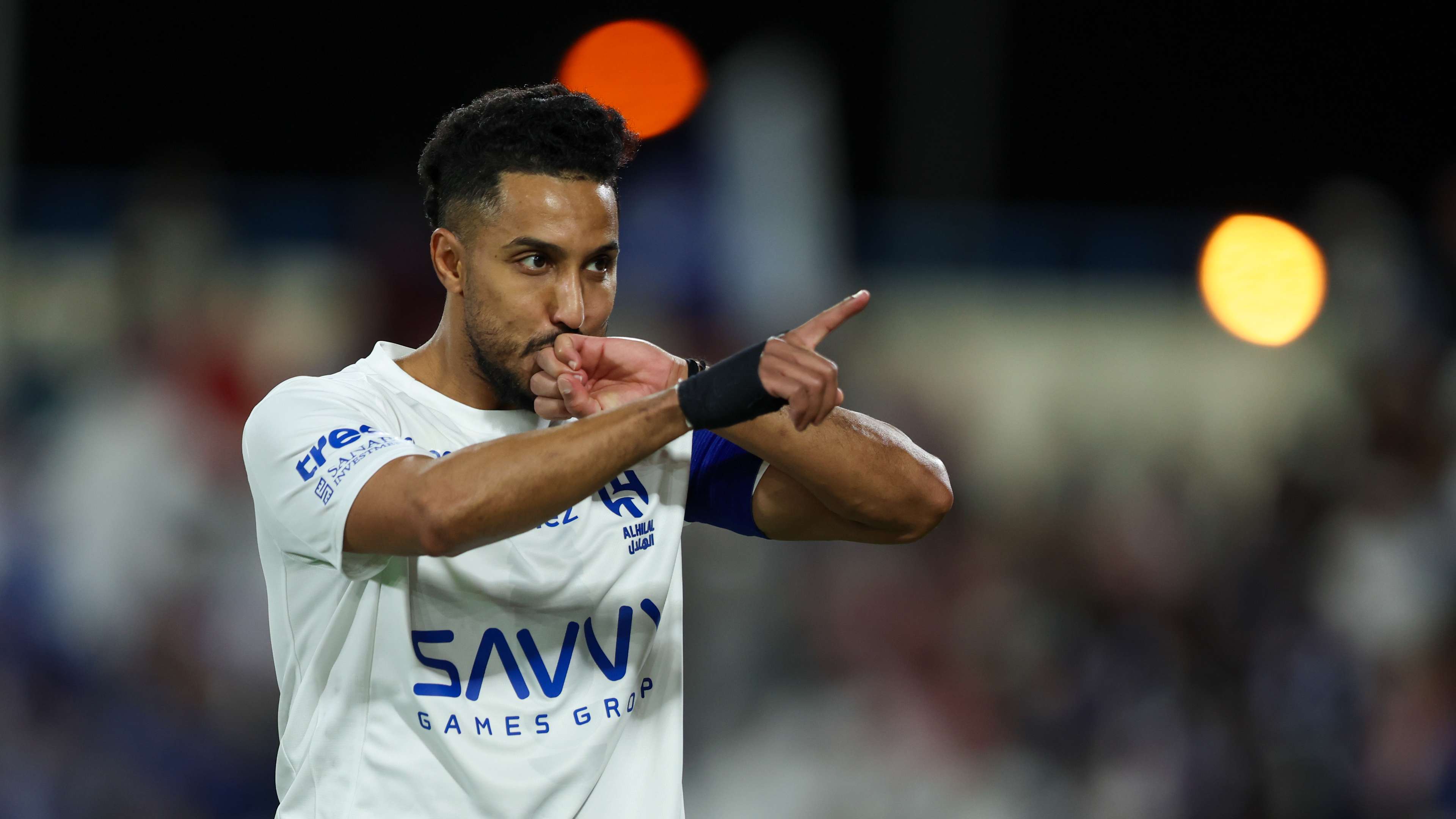
Former Saudi Arabia striker Yasser Al-Qahtani has looked back on a memorable encounter with Egyptian defensive great Wael Gomaa, recalling how their physical contest ended with Al-Qahtani suffering a dislocated shoulder. The Saudi football legend described Gomaa as a formidable opponent on the pitch and a close friend away from it, offering a personal glimpse into one of the defining periods of Egyptian football.
Speaking on Saudi Arabia’s Thmanyah channels, Al-Qahtani remembered facing Gomaa when the defender had a shaved head and Egypt’s national team was at the height of its powers. The match was a friendly, but it provided a demanding test for Saudi Arabia as the team prepared for a crucial World Cup qualifying fixture against South Korea in 2006.
A Friendly That Felt Like a Serious Test
Al-Qahtani said Saudi Arabia encountered an exceptionally strong Egyptian side in the warm-up match. Egypt edged the game by a single goal, but the result was only part of the story for the Saudi forward. His most vivid memory was the challenge of trying to find space against Gomaa, whose strength, timing and defensive awareness made him difficult to get past.
“I couldn’t beat him to a single ball,” Al-Qahtani recalled. He added that one of their physical encounters ended with his shoulder being dislocated, though he stressed that the injury was accidental. The anecdote captures the intensity of a contest between two elite players, while also reflecting the physical demands that strikers face when competing against experienced central defenders.
For fans, the story offers more than a dramatic injury recollection. It highlights how a friendly can serve as a high-level preparation exercise, especially when national teams are building toward competitive fixtures. Saudi Arabia were using the match to sharpen their readiness before meeting South Korea in World Cup qualifying, while Egypt’s quality gave them a stern measure of the level required on the international stage.
Why Wael Gomaa Was So Difficult to Beat
Gomaa built a reputation as one of Egypt’s most reliable defenders through a combination of physical power, composure and leadership. Al-Qahtani’s description of being unable to win a ball against him speaks to the defender’s ability to control direct duels and disrupt an opponent’s rhythm. For a striker, facing that kind of defender can mean having little time to turn, limited room to run into and constant pressure whenever the ball arrives.
Yet Al-Qahtani’s comments were warmly respectful rather than resentful. He said he admired Gomaa both as a player and as a person, describing him as strong and full of character. That distinction is central to the story: a bruising moment on the pitch did not diminish the personal regard between the two football figures.
Such memories also help explain why supporters continue to value football rivalries that are built on respect. A hard tackle or an injury can become part of a player’s career story, but it does not have to define the relationship between the athletes involved. Al-Qahtani’s account presents the incident as an unfortunate consequence of an intense duel, not as an act of hostility.
Egypt’s Golden Generation and a World Cup Debate
Al-Qahtani also praised Gomaa’s achievements with Egypt, pointing to the defender’s role in winning the Africa Cup of Nations three times in succession. Egypt claimed continental titles in 2006, 2008 and 2010, an extraordinary run that established the team as one of the dominant forces in African football during that era.
Despite those successes, Egypt did not qualify for the 2010 FIFA World Cup, a disappointment that remains a major talking point among supporters. Al-Qahtani said Gomaa was “wronged” by not reaching the tournament, expressing the view that a player of the defender’s quality deserved the opportunity to compete on football’s biggest international stage.
The comment points to a familiar tension in the sport: individual excellence does not always lead to World Cup participation. Qualification depends on a team’s results across a difficult campaign, and even a decorated player can miss out when a national side falls short. In Gomaa’s case, the contrast between three consecutive continental championships and the absence of a World Cup appearance remains a striking part of his international legacy.
A Story That Connects Saudi and Egyptian Football
Al-Qahtani’s recollection brings together two respected names from Saudi and Egyptian football. He was one of Saudi Arabia’s most recognisable forwards, while Gomaa became a symbol of defensive resilience for Egypt and Al-Ahly. Their meeting reflects the depth of competition between leading Arab teams and the quality of players who shaped the region’s football landscape in the 2000s.
For younger fans discovering the era through interviews and archival footage, the story provides useful context about the standards of international football at the time. It also shows how preparation matches could feature opponents with genuine pedigree, rather than serving merely as low-pressure exhibitions. Against Egypt, Saudi Arabia faced a side accustomed to winning major tournaments and defending against some of the continent’s best attackers.
What the Memory Reveals About the Game
There is no detailed prediction to make from a match played years ago, but Al-Qahtani’s story offers a reminder of what often determines the outcome of a football duel: positioning, strength, concentration and experience. Gomaa’s ability to dominate the contest left a lasting impression, while Al-Qahtani’s willingness to share the memory shows how even painful moments can become part of a player’s appreciation for a worthy rival.
Ultimately, the anecdote is both a personal story and a tribute to a remarkable generation of footballers. Al-Qahtani remembers the injury, but he also remembers Gomaa’s character, his achievements and the respect he earned. That combination makes the tale compelling: a single encounter, shaped by fierce competition, has endured because it reflects the toughness and sportsmanship that define the best rivalries in football.