
Inter Milan’s Cristian Chivu Puts Tactical Principles Ahead of Formation Labels
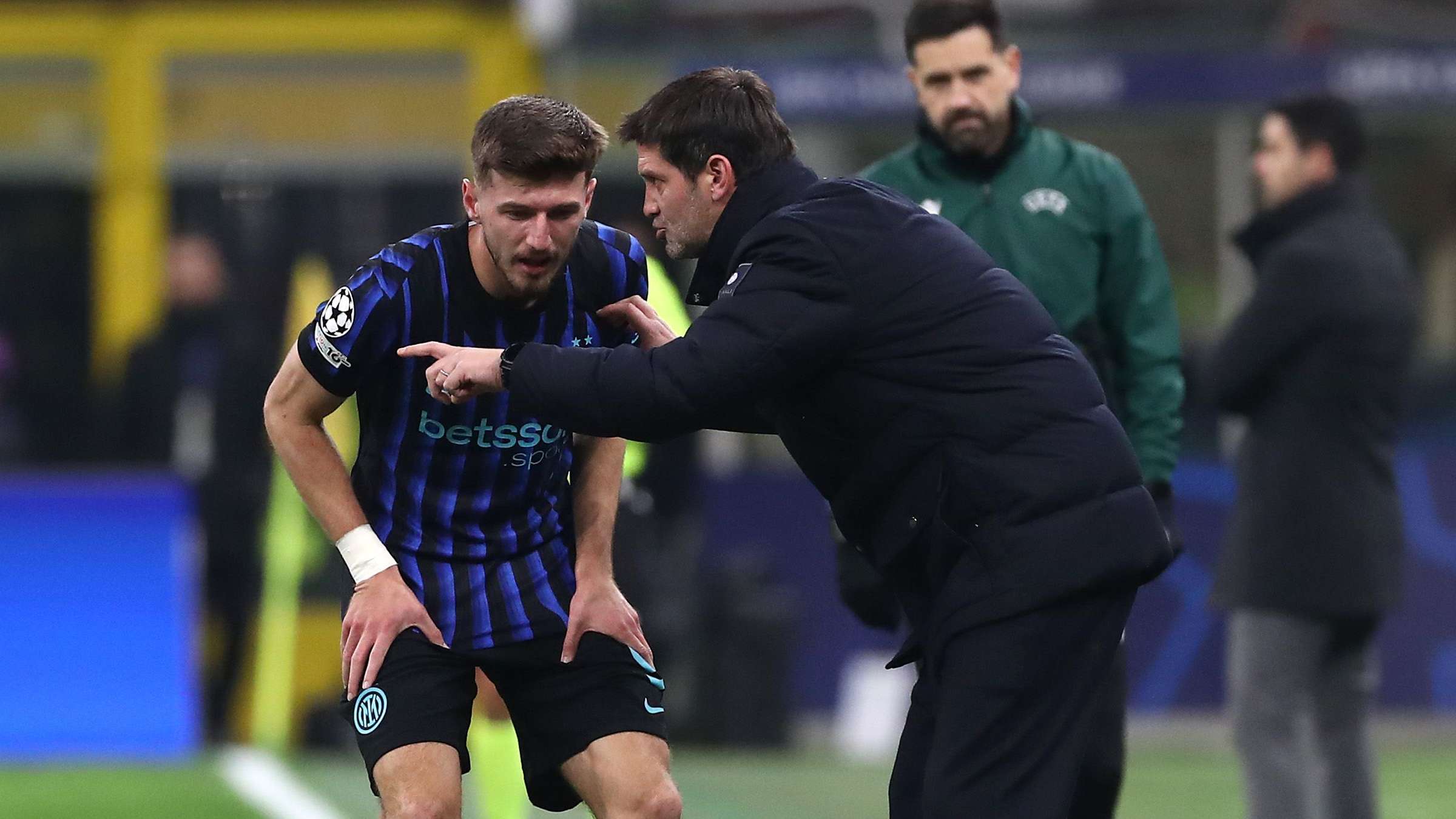
Inter Milan head coach Cristian Chivu has pushed back against the idea that a team’s formation should define how it plays. Speaking about tactical choices and his players’ versatility, the former defender stressed that football is more complex than a string of numbers on a team sheet. For Chivu, the important questions are how players move, respond to changing situations and work together—not whether a side is described as using one formation or another.
His comments offer a glimpse into the thinking behind Inter’s approach under their new coach. Rather than treating a system as a fixed template, Chivu appears to view it as a framework that can shift during a match. That perspective is especially relevant in modern football, where teams often change shape between possession and defence, and players are expected to cover more than one role.
Why Chivu resists rigid formation debates
Formation talk is a familiar part of pre-match analysis and football prediction. Supporters and pundits often describe teams using labels such as a back three or a 4-3-3, but those descriptions can capture only one moment in a game. A side may line up in one shape when defending, then spread into a different structure once it has the ball. The same player might defend as a wing-back, move into midfield during possession and arrive in an attacking area when a chance develops.
Chivu’s emphasis on principles reflects that fluidity. A formation can suggest where players begin, but it does not automatically explain how they press, protect space, build attacks or react after losing possession. Those habits are shaped by coaching instructions and the players’ understanding of one another. In that sense, a tactical system is less a rigid diagram than a shared set of responsibilities.
For Inter, this approach could help the team adapt to different opponents and match conditions. A game may demand a compact defensive block, a more aggressive press or greater width in attack. Coaches need players who can recognise those changes and respond without waiting for a complete reshuffle. Chivu’s comments suggest that he values that ability to adjust over loyalty to a particular formation label.
Andy Diouf’s versatility draws attention
Chivu also praised Andy Diouf’s versatility with France, pointing to a quality that has become increasingly valuable across elite football. Players who can perform in different positions give coaches more options, particularly when injuries, suspensions or an opponent’s tactics require a change. Versatility can also make substitutions more effective: one change may alter several roles without forcing a team to reorganise completely.
Diouf’s adaptability is not simply a matter of being able to stand in different areas of the pitch. A player must understand the distinct demands of each role, from positioning and defensive cover to the timing of forward runs. Moving into a new position can change the angles available for passing, the space a teammate can use and the team’s balance when possession is lost. It takes awareness as well as technical ability.
That flexibility can be useful for a national team, where preparation time is often limited. International coaches have fewer training sessions than club managers, making players who can quickly understand different assignments particularly important. If Diouf can contribute across multiple roles, he may give France greater tactical freedom while allowing the team to respond to different opponents without changing its personnel.
For Inter supporters, Chivu’s praise may also prompt questions about how such qualities could fit into his wider football vision. A versatile player can help a coach alter the team’s shape during a match, but that value depends on clear communication and a strong understanding of the system. The goal is not to move players around for its own sake; it is to use their strengths in ways that support the team.
Chivu addresses Zvonimir Boban’s comments on Petar Sucic
Chivu also responded to comments from Zvonimir Boban concerning Petar Sucic. The discussion places the young midfielder in a broader conversation about potential, development and expectations at the highest level. When a respected former player or executive speaks publicly about a footballer, the remarks can quickly become a talking point among supporters, particularly when they concern a player still establishing himself.
For a coach, however, outside assessments are only one part of the picture. A player’s progress is better measured through training, match performances and how consistently he carries out his responsibilities. Development can take time, and a promising footballer may need different experiences before finding his most effective role. Coaches must balance encouragement with realistic expectations, especially when public attention risks turning potential into pressure.
Sucic’s situation also connects with Chivu’s wider emphasis on tactical understanding. A midfielder’s contribution is not limited to goals and assists. Positioning, pressing, covering teammates and helping the team move the ball can be just as important, even if those details attract less attention. Evaluating a player through the demands of his role offers a fuller picture than relying on reputation or isolated moments.
What the approach could mean for Inter’s season
Inter’s ability to compete across a long campaign will depend on more than the starting formation. Players must remain organised through changes in tempo, cope with different styles of opposition and maintain their concentration when matches become unpredictable. A coach who prioritises principles can give the squad a consistent identity while still allowing tactical adjustments from one fixture to the next.
That does not mean formations are irrelevant. Starting positions affect how a team creates space and protects its defence, and particular systems can suit certain players better than others. The distinction in Chivu’s comments is that a formation should serve the footballing idea—not replace it. The structure is useful when it helps the team carry out its responsibilities; it becomes restrictive when players treat it as an instruction to remain in fixed zones.
For fans weighing up Inter’s prospects, that distinction matters. Any football prediction about the club’s performances should consider not only the names on the team sheet but also how well the players understand Chivu’s principles. Adaptability, coordination and execution can be decisive when a match does not follow the expected script.
Chivu’s remarks therefore point toward a practical, flexible vision of football. His praise for Diouf highlights the value of players who can adapt, while his response to Boban’s comments on Sucic underscores the importance of assessing individuals within a team context. As Inter continue to develop under their coach, the clearest measure of the system may not be the formation printed before kick-off, but how effectively the players respond to the demands of each game.