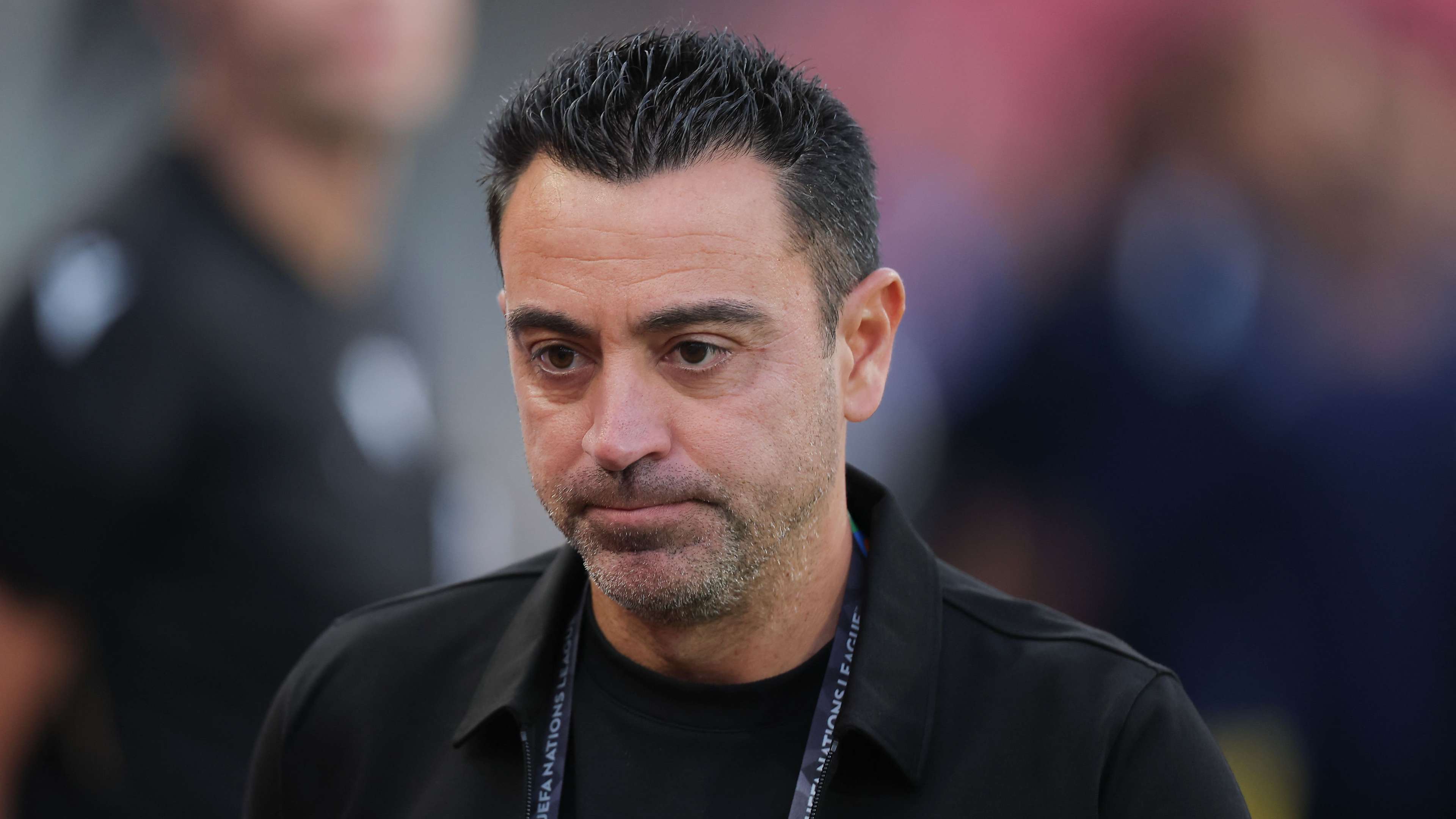

Barcelona Football Club Delays Major Infrastructure Projects Amid Strategic Reshuffle
In a move that underscores the evolving priorities within FC Barcelona, the club’s management has announced a temporary halt to the ambitious plans for constructing a dedicated residence for their first-team players at the Ciutat Esportiva Joan Gamper complex. This decision, reflecting a strategic shift, comes amidst a broader review of infrastructure investments aimed at enhancing the club’s competitive edge and operational efficiency.
Swift Response from the Barcelona Board Reflects Changing Priorities
According to insights shared on the popular football podcast “Barça Reservat” and corroborated by the reputable sports newspaper “Sport”, the Barcelona board, led by President Joan Laporta, has decided to put the brakes on the envisioned team residence project. Originally conceived as a state-of-the-art accommodation facility exclusively for the first-team squad, the project was designed to streamline pre-match preparations and facilitate post-match recovery, creating an environment akin to the renowned training complexes of European football giants.
However, recent assessments have prompted the club to re-evaluate their infrastructure priorities. Instead of moving forward with the residential complex, the club will now channel resources into upgrading existing facilities—particularly focusing on physical training and recovery amenities. This decision is part of a broader strategic approach aimed at maximizing the impact of their investments in infrastructure, ensuring they align with the immediate and long-term needs of the team.
Budget Constraints and Project Reassessment
The originally projected costs for the residential complex, estimated between €12 million to €14 million, significantly exceeded the initial budget of €6 million, leading to concerns over financial efficiency. As such, the club has opted to postpone the project, recognizing that current financial and logistical considerations necessitate a more phased approach.
Despite the delay, club officials have made it clear that the residential project is not entirely shelved but merely postponed. Once the club’s other priorities are addressed and financial conditions permit, the project could be revisited, potentially integrating new features or adopting a different scope to better serve the players and staff.
Focus Shifts Toward Enhancing Training and Recovery Facilities
The immediate focus now turns toward the development of a new, cutting-edge gym facility located adjacent to the Camp Tito Vilanova pitch. This initiative aligns with the directives of head coach Hansi Flick, who has emphasized the importance of physical conditioning and recovery in maintaining peak team performance.
Flick’s tenure has seen a renewed emphasis on pre-match team gatherings, a practice he reinstated to foster team cohesion and tactical readiness. To support these efforts, the club recognizes the urgent need for a modern training environment that can accommodate the increasing demands of elite football.
Upgrading the Club’s Physical Training Infrastructure
The current gym at the Ciutat Esportiva is considered inadequate for the modern needs of FC Barcelona’s first team. Its limited space hampers the team’s ability to integrate comprehensive physical training, recovery, and personalized conditioning programs. As a response, construction crews are rapidly advancing the new gym facility, situated directly beside the training pitch, featuring expansive glass walls offering panoramic views of the field.
This state-of-the-art gym is designed to be more than just a workout space—it will serve as a hub where players can seamlessly transition between tactical field work and targeted physical drills. Equipped with advanced technology and specialized equipment, the facility will facilitate strength training, flexibility routines, speed work, and recovery protocols, all vital components in the modern footballer’s regimen.
Implications for Barcelona’s Predicted Performance in Upcoming Football Seasons
Investments in infrastructure are crucial for fostering a competitive edge in football, especially in an era where physical conditioning and injury prevention are paramount. The new gym will likely play a pivotal role in improving player performance, reducing injury downtime, and enhancing overall team resilience—all factors that could significantly influence Barcelona’s football prediction for upcoming seasons.
With the team placing greater emphasis on holistic player development, including injury prevention and recovery, the club is positioning itself to better compete at the highest levels of European football. These upgrades could translate into sharper tactical execution, higher fitness levels, and sustained excellence on the pitch, which are essential components in making accurate football predictions regarding their potential success in domestic and international competitions.
Broader Context: Barcelona’s Infrastructure Strategy in Modern Football
Barcelona’s decision reflects a broader trend among top European clubs that are increasingly prioritizing infrastructure investments tailored to the evolving demands of the sport. Modern football demands not only talented players but also world-class facilities that support their physical, mental, and tactical development.
By focusing on upgrading training facilities and recovery centers, Barcelona aligns itself with the best practices seen in clubs like Real Madrid, Bayern Munich, and Liverpool, who have invested heavily in their sports science and player welfare programs. These investments are viewed as essential components in a comprehensive strategy to maintain a competitive edge and ensure long-term success.
Looking Ahead: The Future of FC Barcelona’s Infrastructure Projects
While the postponement of the residential project might disappoint some fans and stakeholders who envisioned a comprehensive player residence at the Ciutat Esportiva, the club’s leadership emphasizes that this is a strategic pause rather than a cancellation. The focus remains on delivering facilities that directly impact team performance and player well-being in the short term.
As construction progresses on the new gym, all eyes will be on how these infrastructural enhancements translate into on-field success. The improved physical environment is expected to bolster the team’s preparations, which could positively influence their football prediction for the upcoming season, especially in high-stakes competitions like La Liga and the UEFA Champions League.
Conclusion: Strategic Infrastructure Investments as a Key to Football Success
FC Barcelona’s recent decision to recalibrate their infrastructure development highlights the importance of strategic planning in modern football. By prioritizing the development of a new gym tailored to meet the team’s immediate needs, the club demonstrates a clear commitment to optimizing player performance and injury prevention.
As football continues to evolve with increased emphasis on sports science, recovery, and physical conditioning, Barcelona’s investments in cutting-edge facilities position them well for future success. Fans, analysts, and bettors alike will be keenly watching how these developments influence their football prediction models and the team’s prospects in upcoming competitions.
Ultimately, Barcelona’s adaptive approach exemplifies how top clubs leverage infrastructure as a strategic asset—transforming challenges into opportunities for sustained excellence in football.