
Erling Haaland Sues Norwegian Airline Over Use of Image in Football Promotion Campaign
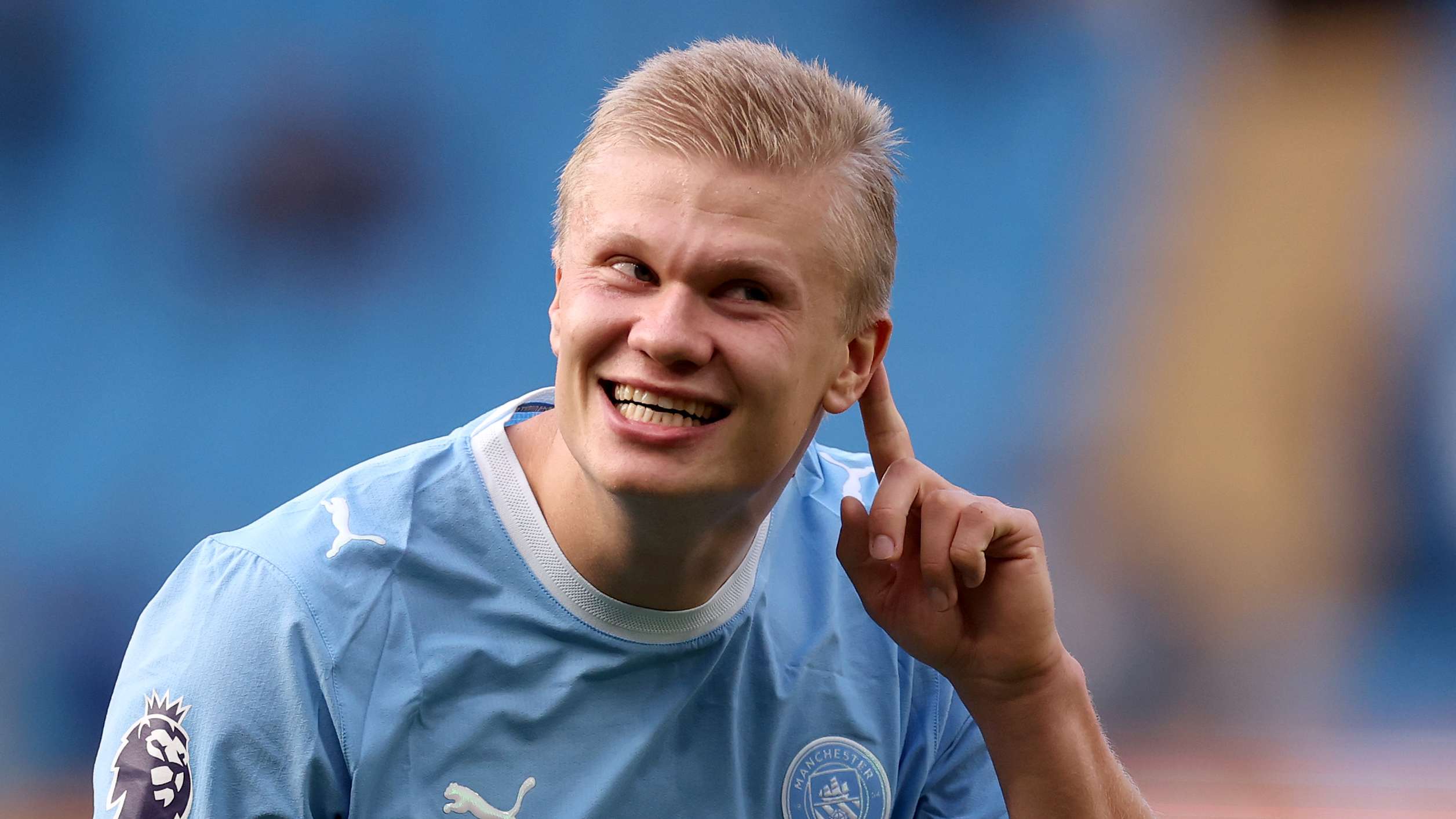
In a surprising development within the world of football and commercial marketing, Manchester City star striker Erling Haaland has initiated a lawsuit against Norwegian airline company Norwegian Air Shuttle ASA. The legal action centers on the airline’s alleged unauthorized use of Haaland’s image and distinctive characteristics in a promotional campaign linked to the upcoming 2026 FIFA World Cup. This case not only highlights the ongoing tension between athletes’ rights and corporate marketing strategies but also raises important questions about the legal boundaries of image use in sports advertising.
Details of the Legal Dispute: A Clash Over Marketing Law and Personal Rights
According to reports from Aftenposten, the dispute primarily involves a social media post by Norwegian Air Shuttle that depicted an aircraft featuring Haaland’s recognizable hairstyle—blonde hair tied back in a ponytail—during the period leading up to the 2026 World Cup. The airline’s post was part of a broader marketing effort aimed at engaging football fans and promoting travel packages for the tournament. However, Haaland’s legal representatives argue that the use of his image and personal traits without permission constitutes a breach of marketing laws and personal rights.
The case has prompted the parties to prepare for a digital planning meeting scheduled at Oslo District Court on 9 October. This preliminary hearing will serve as a platform for both sides to outline their arguments and seek clarity on the legal interpretation of the use of athlete images in commercial advertising. It also underscores the growing importance of athlete image rights in the digital age, where social media posts and targeted marketing campaigns can quickly reach millions worldwide.
Haaland’s Legal Representation and the Core of the Complaint
Haaland’s lawyer, Thomas Hagen, confirmed the lawsuit via email to Verdens Gang. He explained, “We confirm that, on behalf of York Promotions Limited and Haaland, we have filed a lawsuit against Norwegian Air Shuttle ASA.” The core issue revolves around what Hagen describes as the “unlawful use” of Haaland’s distinctive characteristics—particularly his hairstyle and overall image—to promote airline ticket sales during a major international football event, the World Cup.
Hagen elaborated that the airline’s social media post, which featured an aircraft bearing Haaland’s hairstyle, was a clear attempt to leverage the football star’s popularity and recognition for commercial gain without securing his consent. The fact that Norwegian later deleted the post suggests an acknowledgment of its potential legal vulnerability, yet the damage was already done. The lawsuit seeks to address the perceived infringement and prevent similar unauthorized uses in the future.
The Broader Context: Football, Marketing, and Personal Rights
This case is emblematic of a broader trend in sports marketing, where athletes’ images are highly valuable assets that require careful legal management. Football players like Erling Haaland have become global icons, with their likenesses often used to endorse products, promote events, and boost brand visibility. However, the line between fan engagement and personal rights infringement can become blurred, especially when companies use social media to quickly capitalize on trending topics.
The use of football stars’ images in marketing campaigns has often been a contentious issue. In some cases, athletes or their representatives have successfully sued companies for unauthorized use, emphasizing their rights over their personal brand. This legal action by Haaland underscores the importance of securing explicit permissions before deploying athlete images in commercial contexts, particularly in the digital sphere where content can go viral instantly.
Norwegian’s Response and Future Implications
Eivind Hammer Myhre, Norwegian’s duty media officer, confirmed to Verdens Gang that the airline had received the lawsuit. His statement reflected some confusion about the basis of the legal action, noting, “We do not understand the reason for it.” Myhre clarified that Norwegian’s social media activity was motivated by genuine support for the Norwegian national team during the summer, driven by trending topics and social media culture. “Like most Norwegians, we took part in supporting the national team through spontaneous posts,” he said.
Despite this, Myhre expressed hope for a “sensible dialogue” to resolve the matter amicably and emphasized Norwegian’s intention to continue supporting their sporting heroes in future campaigns. The case raises important questions about how brands and companies can balance patriotic support and marketing efforts with respecting athletes’ legal rights.
Implications for Football Prediction and Marketing Strategies
From a football prediction perspective, this incident highlights how the sport’s immense popularity directly influences marketing strategies and commercial opportunities. As football continues to grow globally, companies are eager to associate their brands with star players like Haaland to attract fans and boost engagement. However, this case serves as a cautionary tale: leveraging a player’s image without proper authorization can lead to legal disputes that may overshadow promotional benefits.
For football enthusiasts and marketers alike, understanding the nuances of athlete image rights is crucial. Accurate predictions about football matches and tournaments increasingly depend on leveraging star power, but these efforts must be grounded in legal compliance. The Haaland vs. Norwegian case underscores the need for brands to develop ethical marketing practices that respect personal rights while capitalizing on football’s global appeal.
Conclusion: A Landmark Case in Sports Marketing and Personal Rights
As the world awaits the outcome of the upcoming digital planning meeting at Oslo District Court, this case is poised to become a landmark in the intersection of football, marketing law, and athlete rights. It demonstrates the growing importance of respecting personal image rights in an era where social media amplifies both promotional opportunities and legal risks.
Moreover, it serves as a reminder for companies, sports organizations, and athletes to establish clear agreements and guidelines regarding the use of personal images in marketing campaigns. For football prediction enthusiasts, the case exemplifies how legal developments can influence the broader landscape of football-related marketing and commercial activities, shaping future strategies in the sport’s commercial ecosystem.
In the meantime, fans and industry observers will be watching closely as this legal dispute unfolds, eager to see how the courts interpret the boundaries of athlete image rights in the digital age. Ultimately, the case underscores that while football remains a sport built on passion and global unity, its commercial side must adhere to respect and legality to sustain its integrity and appeal worldwide.