
Unnati Hooda Exits French Open 2026 After Three-Game Battle With Riko Gunji
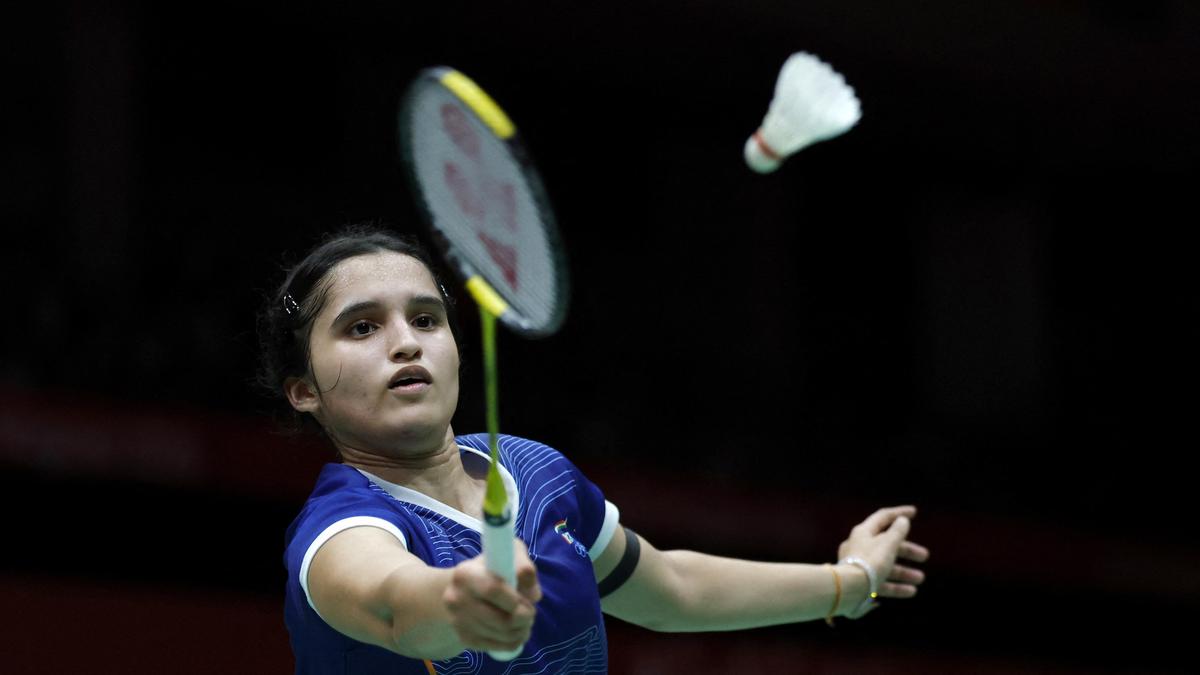
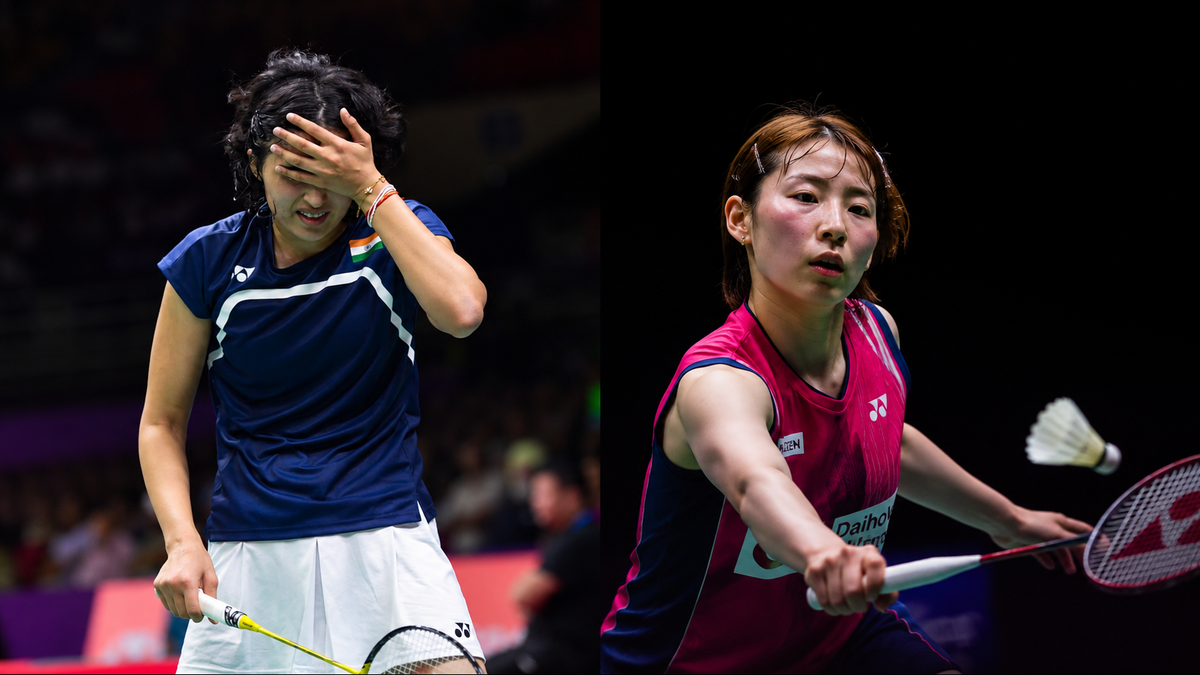
India’s Unnati Hooda was knocked out in the first round of the French Open 2026 badminton tournament after Japan’s Riko Gunji secured a hard-fought three-game victory on Wednesday. Hooda recovered from losing the opening game to level the match, but Gunji found another gear in the decider to advance with a 21-18, 12-21, 21-17 win.
The contest offered plenty of momentum swings, with both players showing the ability to take control for stretches. Hooda’s strong response in the second game briefly put her in command, but Gunji’s steadier finish in the deciding game proved decisive. The result also continued Gunji’s unbeaten record against the Indian shuttler.
Hooda rallies to level the match
The opening game was closely contested and lasted 21 minutes, as Hooda and Gunji traded points without either player establishing a substantial advantage. Hooda remained within reach throughout, but Gunji edged the key exchanges to take the game 21-18.
Hooda responded with greater authority in the second game. She built an 11-6 lead by the interval, using the advantage to apply pressure and dictate more of the rallies. After the break, the Indian extended her lead to 16-8, putting herself firmly on course to level the match.
Gunji attempted to close the gap, but Hooda maintained her composure and converted her opportunity, winning the game 21-12. The emphatic response reset the contest and carried the match into a decider, giving the Indian a chance to turn the momentum into a first-round victory.
Gunji takes control in the decider
The deciding game began with both players competing closely, but Gunji gradually gained control. The Japanese shuttler began to create separation through the middle stages and moved ahead 18-12, leaving Hooda with a difficult task late in the game.
Hooda continued to fight for points, but Gunji protected her lead and closed out the game 21-17. The victory ended Hooda’s run at the tournament, while Gunji moved on to the next round of the French Open.
For Hooda, the match was a mix of promise and frustration. Her second-game performance demonstrated that she could disrupt Gunji’s rhythm and take charge of the rallies. However, the decider underlined how quickly a close badminton match can shift when one player builds a sizeable lead. Converting strong passages of play into sustained pressure across all three games will be important as Hooda continues her international campaign.
Gunji extends her head-to-head advantage
The French Open encounter was the second recorded meeting between the players, and Gunji has now won both. Their previous match took place at the 2025 German Open, where Gunji also came from behind to prevail in a dramatic three-game contest.
Hooda won the first game 21-15 in that meeting, but Gunji fought back to take the next two games 25-23 and 24-22. The narrow margins in Germany showed how closely matched the players can be, while the latest result again highlighted Gunji’s ability to recover after losing a game.
For Gunji, the win in France adds another important result against a young Indian opponent. For Hooda, the head-to-head record is a reminder that the margins have been small, even though the Japanese player has come out on top on both occasions. A future meeting could offer the Indian another opportunity to adjust her approach and challenge that pattern.
India’s French Open campaign faces early setbacks
Hooda’s first-round exit added to a difficult start for India at the French Open 2026. Men’s doubles pair Satwiksairaj Rankireddy and Chirag Shetty, widely known as Satwik-Chirag, have also been eliminated. Women’s doubles players Treesa Jolly and Gayatri Gopichand are out as well.
The early departures are a setback for the Indian contingent at a major international badminton event, particularly given the experience and expectations attached to the doubles pairings. Their results also leave fewer Indian representatives in contention as the tournament progresses. For fans following India’s campaign, the opening-round losses make the remaining matches especially important.
Even so, a first-round defeat does not tell the whole story of a player’s performance or development. Hooda’s ability to respond decisively after dropping the opening game was a positive feature of her match. The challenge now will be to carry that level of attacking intent into future tournaments, while finding ways to maintain control when a deciding game reaches its most demanding stages.
What the match means for Hooda
The three-game loss provides both a competitive test and a clear point of reference for Hooda’s next meeting with Gunji. She showed that she could take the initiative, build a substantial lead and force the Japanese player into a decider. To turn that progress into a win, Hooda will need to sustain her intensity for longer and limit the stretches in which Gunji can take control.
As the badminton season continues, Hooda will have further opportunities to build on the experience. Her performance in the second game showed the level she can reach when her tactics are working, while the final game offered lessons in managing pressure and momentum. The French Open result is disappointing for India, but it also gives Hooda a competitive benchmark to take into her next challenge.