
Why Darwin Núñez Stayed in Saudi Arabia Despite European Interest
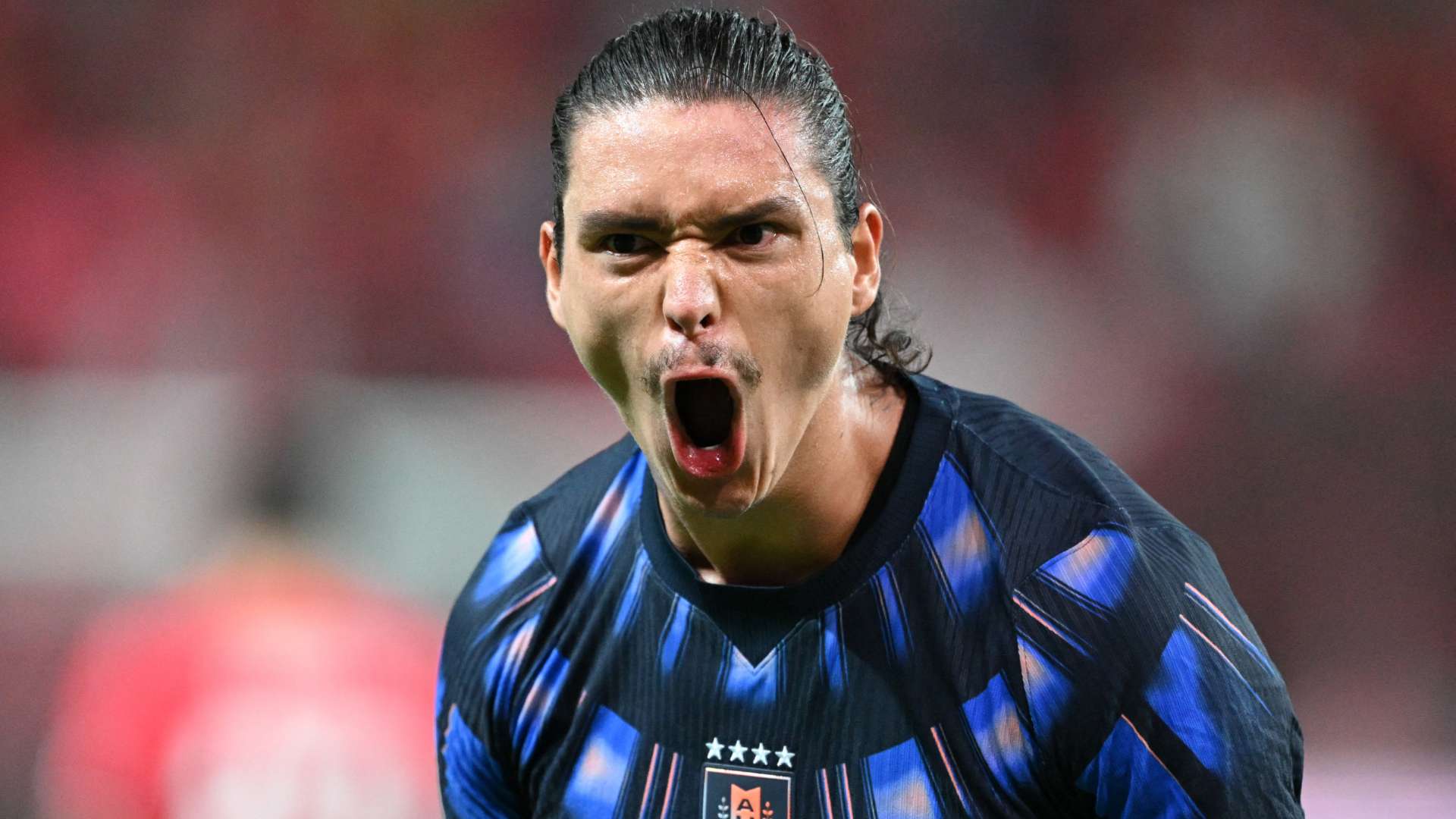
Darwin Núñez is entering an important stage of his career. At 27, the Uruguay international is expected to be approaching his prime, with the experience and physical maturity to make a major impact at the highest level. Yet, despite reported interest in a return to European football—and the possibility of playing in the Premier League again—the former Liverpool striker chose to remain in Saudi Arabia during the latest transfer window.
Former Uruguay international Gus Poyet has offered an explanation for that decision, telling GOAL that Núñez’s financial situation was a significant consideration. Poyet described the forward’s contract as “crazy,” suggesting that the scale of the deal could make a move back to Europe difficult to justify, even for a player still capable of competing in one of the continent’s leading leagues.
A Career Decision Beyond Football
For a striker of Núñez’s age, the choice to stay in Saudi Arabia naturally raises questions about ambition, playing level and long-term career plans. A return to Europe might have offered renewed exposure in major competitions, a chance to test himself against familiar opposition and the opportunity to re-establish his reputation among Premier League audiences.
But a transfer is rarely decided by football alone. Contract length, salary, family circumstances, club expectations and the likelihood of regular playing time can all shape a player’s next move. Poyet’s comments point to the financial side as a particularly powerful factor in Núñez’s case. If a player is earning substantially more than a European club can reasonably offer, the sporting appeal of a move may not be enough to make it happen.
That does not necessarily mean Núñez has turned his back on European football permanently. It does, however, highlight the challenge facing clubs that want to recruit established players from Saudi Arabia. Even when a footballer is open to a new sporting challenge, matching an existing contract—or persuading him to accept a major reduction—can complicate negotiations.
Why the Saudi Contract Matters
Saudi clubs have attracted international attention by offering high-profile players lucrative deals and prominent roles. For some footballers, those contracts provide financial security while also bringing the chance to compete in a developing league. For others, the move represents a different career path from the one traditionally associated with a long stay in European football.
Núñez’s situation illustrates the trade-off. A return to the Premier League could bring greater weekly scrutiny and renewed competition for places, while a move to another European club might provide a different tactical environment. Staying in Saudi Arabia, meanwhile, allows him to continue under the terms of a contract Poyet considers exceptional. The decision may therefore reflect a practical assessment of the options available, rather than a simple preference for one football culture over another.
There is also a broader market effect. When a player’s salary is far above the usual range for potential buyers, interested clubs may have to consider a loan, a shared-wage arrangement or a transfer fee lower than the selling club expects. Each option requires agreement from multiple parties. Unless the player is willing to compromise financially, a move can remain difficult even when there is genuine interest.
What a Return to Europe Could Offer
From a sporting perspective, Núñez still has qualities that could appeal to European teams. He is known for his pace, direct running and willingness to attack space behind a defence. Those attributes can make him dangerous in transition and difficult for defenders to manage, particularly when a team creates opportunities early and gets the ball forward quickly.
His time at Liverpool also gave him experience in one of the most demanding environments in world football. The Premier League’s speed, physicality and intense media attention require adaptability, and Núñez has already experienced those pressures. A future return would not mean starting from scratch, although he would still need to fit into a new club’s system and demonstrate consistent end product.
That last point is central to any transfer prediction. A club considering Núñez would weigh his potential impact against the cost of bringing him in. His pace and movement may suit certain teams, but recruitment departments also look at finishing, availability, tactical discipline and how a player complements existing forwards. The right destination would need to offer both a clear role and a financial structure that works for everyone involved.
Could Núñez Move in a Future Transfer Window?
For now, Poyet’s account suggests that the contract remains a major obstacle to a European return. However, transfer situations can change quickly. A player’s ambitions, a club’s plans, a change in management or a shift in the financial terms can all alter the calculation. If Núñez becomes determined to pursue a new challenge, or if a European side finds a workable deal, the conversation could look different in a future window.
Any prediction about his next step should therefore be treated cautiously. Interest alone does not guarantee a transfer, and reports of a possible Premier League return do not establish that an agreement was close. The key questions will be whether a prospective club can offer a convincing footballing project, whether the Saudi side is prepared to negotiate and how much of his current contract Núñez would be willing to leave behind.
A Defining Period for the Uruguay Forward
At 27, Núñez still has time to shape the next phase of his career. Remaining in Saudi Arabia may provide stability and financial security, while a return to Europe could bring a fresh test and renewed attention from supporters and analysts. Neither route automatically guarantees success; much will depend on his performances, role and consistency wherever he plays.
Poyet’s remarks offer a useful reminder that modern football decisions are often shaped by more than a player’s age or reputation. Núñez may still have the ability to compete in Europe, but the terms of his “crazy” contract have become part of the transfer story. For fans following football transfer news, the central issue is not simply whether the striker wants to return—it is whether a club can build a deal that makes sporting and financial sense for all sides.