
Escalating Tensions in Global Football Governance: UEFA and CONCACAF Challenge FIFA’s Authority
The landscape of international football governance is witnessing a dramatic clash of power and influence. The longstanding tensions between FIFA, the sport’s global governing body, and some of its most influential continental associations—namely UEFA (Union of European Football Associations) and CONCACAF (Confederation of North, Central American and Caribbean Association Football)—have reached new heights. Recent developments indicate a concerted effort by these associations to assert their independence and push back against FIFA’s policies and financial strategies, igniting a fierce debate that could reshape the future of football worldwide.
UEFA and CONCACAF’s Bold Move: A Demand for Financial Support
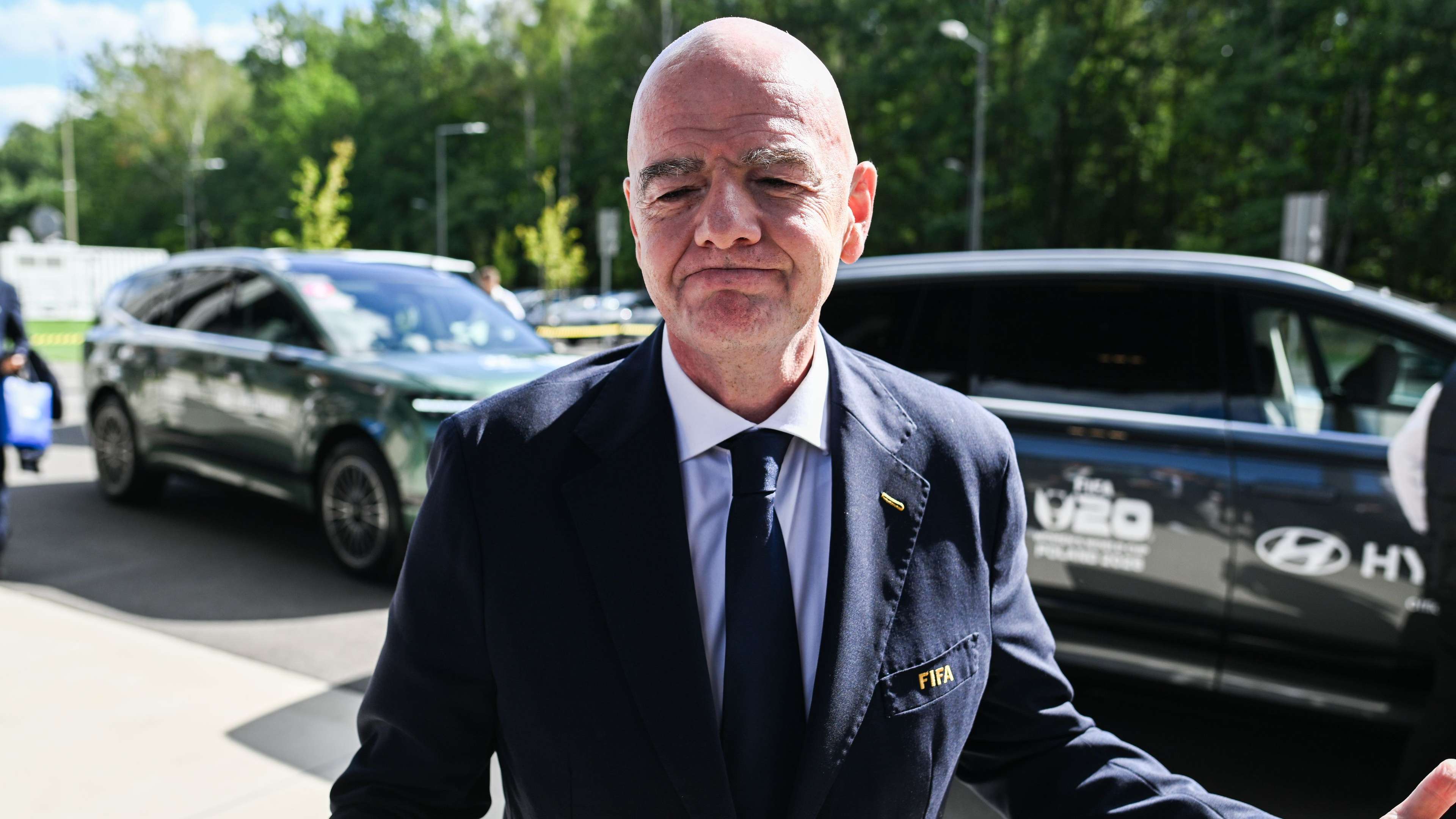
In a significant move that underscores the growing discord within international football governance, UEFA President Aleksander Ceferin and CONCACAF President Victor Montagliani jointly authored an official letter addressed to FIFA President Gianni Infantino. This letter, obtained exclusively by BBC Sport, signals a direct challenge to FIFA’s authority and financial management strategies.
The core demand is straightforward yet impactful: each of FIFA’s 211 member associations should receive a minimum of 10 million dollars from FIFA’s vast cash reserves during the 2027-2030 financial cycle. The letter highlights that FIFA currently boasts reserves estimated at around 6 billion dollars, a figure that comfortably exceeds the financial needs projected up to the 2030 World Cup. This move is presented as a strategic step to ensure equitable financial support for football associations around the globe, many of which face financial constraints that hinder infrastructure development, youth programs, and grassroots initiatives.
The Rationale Behind the Demand: Supporting Football’s Growth
Both UEFA and CONCACAF emphasize that the proposed financial distribution would cost FIFA approximately 2.11 billion dollars, representing a modest yet crucial investment to bolster football development worldwide. The associations argue that this “exceptional release of reserves” is necessary to catalyze growth, especially in regions where football’s popularity continues to surge but infrastructure and resources lag behind.
“This financial support is vital for our member associations to invest in grassroots programs, stadium upgrades, youth development, and coaching education,” stated Ceferin and Montagliani in their joint letter. “It is an investment in the future of football, ensuring that the sport continues to thrive and reach new heights across all continents.”
Controversies Surrounding FIFA’s Financial and Strategic Moves
This recent appeal comes amid ongoing controversies surrounding FIFA’s financial management and strategic proposals. Notably, Gianni Infantino’s “FIFA’s project for institutions” faced widespread rejection after its brief four-day trial period. The plan aimed to create a new corporate entity responsible for managing commercial and ticketing rights for all FIFA tournaments, including the World Cup, while selling 21% of its shares to an external investment firm. Critics argued that such a move risked commercializing the sport further and undermining the autonomy of national associations.
In response to mounting opposition, FIFA swiftly canceled the project, but the controversy has left lingering doubts about the organization’s transparency and strategic direction. The BBC obtained a confidential copy of the joint letter, which underscores the concern that FIFA’s substantial reserves should be used more transparently and equitably to benefit member associations directly, rather than being held as a financial cushion for high-stakes projects.
Calls for Transparency and Accountability
The tensions extend beyond financial disputes. A recent letter from Debbie Hewitt, Chair of the English Football Association and FIFA Vice-President, underscores the demand for greater transparency. Hewitt called for the immediate release of all documents related to the canceled investment project and sought a formal explanation regarding the recent suspension and subsequent reinstatement of American forward Folarin Balogun during the World Cup. These requests reflect a broader concern over FIFA’s governance and decision-making processes.
Hewitt’s letter, addressed to Infantino and FIFA Secretary General Matthias Grafström, highlights the importance of accountability in ensuring the integrity of the sport’s governance structures. As FIFA prepares for its upcoming presidential election scheduled for March 2024, these internal disputes and calls for transparency could influence the race, especially as potential candidates and stakeholders scrutinize the organization’s leadership and strategic priorities.
Upcoming FIFA Presidential Election and Its Implications
Gianni Infantino, who has been at the helm since 2016, is preparing to seek a fourth term in office next March. The deadline for candidacies is 18 November, and the election could serve as a pivotal moment for reform advocates within the football community. Several influential figures and associations are expected to challenge Infantino’s leadership, especially amid the recent controversies and the push for more equitable financial policies.
The outcome of the election could significantly influence the future direction of global football governance. Supporters of reform hope that a new leadership team will prioritize transparency, fair distribution of resources, and the empowerment of regional associations—aligning with the demands articulated by UEFA and CONCACAF.
Predictions and Future Outlook
As the battle lines are drawn, many football analysts and enthusiasts are keenly watching how these conflicts will unfold. Will FIFA heed the calls for increased financial support and transparency? Or will it double down on its current strategies, risking further alienation from key associations?
Experts suggest that the upcoming election and the ongoing disputes could serve as catalysts for significant reform within FIFA. The push for more democratic governance, equitable resource distribution, and accountability are likely to dominate discussions in the coming months, shaping the future of football’s global structure.
Final Thoughts: The Future of Football Governance in Flux
The ongoing war between FIFA and major continental football bodies underscores a broader shift towards decentralization and regional empowerment in global football. As the sport continues to grow exponentially, especially in emerging markets, ensuring that the governance structures adapt to these changes is vital.
The prediction for the near future is that we will see increased calls for reform, transparency, and fair resource allocation, potentially leading to innovative governance models that better reflect the diverse and dynamic nature of international football. Fans and stakeholders alike are eager to see how these developments will shape the sport’s future, ensuring it remains fair, inclusive, and sustainable for generations to come.
Stay tuned to authoritative sources like Kooora forums and official FIFA communications to follow the latest updates on this evolving story and to gain insights into the future direction of football governance worldwide.