
Portugal Signals Cristiano Ronaldo’s Return After Sudden Disciplinary U-Turn
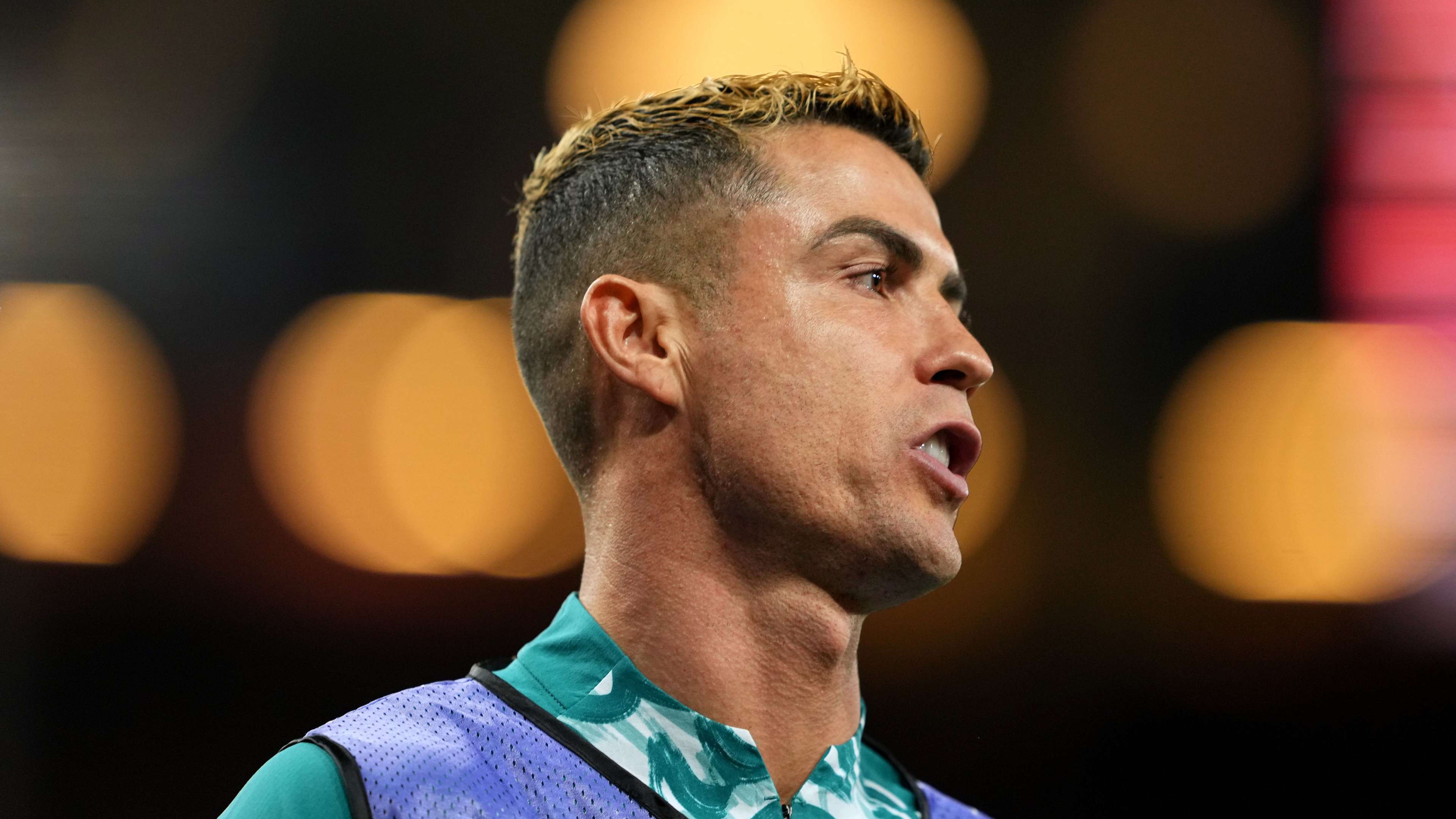
Portugal’s football federation has dramatically shifted its position on Cristiano Ronaldo, with president Pedro Proença saying the national team wants the veteran forward back. The announcement came just hours after the Portuguese Football Federation (FPF) said it had begun urgent disciplinary proceedings over Ronaldo’s departure from the team camp—an episode that had raised the prospect of a significant international suspension.
Speaking at the inauguration of a new stadium belonging to the Porto Football Association, Proença indicated that Ronaldo could rejoin Portugal during the November international break. “The federation, the coach and all his team-mates agree: we want Cristiano back,” he said, adding that he expected the captain to return.
The change of tone has left an unresolved question at the centre of the story: will Ronaldo face a formal punishment, and, if so, how severe will it be? The federation has not publicly confirmed that its disciplinary case has been dropped. Nor has it announced when the commission will reach a decision. For Portugal supporters, the next development could affect both the team’s preparations and the future role of one of its most influential players.
Why Ronaldo’s Departure Became a Disciplinary Issue
The dispute began after Ronaldo was reportedly left out of the starting line-up for two consecutive matches. During an extended international break, the 41-year-old left the national-team camp and was collected by private jet. The FPF subsequently announced that it had opened disciplinary proceedings described as urgent.
That response appeared consistent with the federation’s internal rules, which reportedly provide for an automatic provisional suspension when a player leaves the camp without permission. The rule is intended to protect team discipline and ensure that all players follow the same standards, regardless of their reputation or status. Ronaldo’s case, however, carries unusual weight because he is not only a senior player but also Portugal’s captain and a defining figure in the country’s modern football history.
At first, the proceedings seemed likely to lead to a substantial ban. Reports suggested that Ronaldo could potentially be suspended from international football for as long as six months. Such a penalty would have placed his availability for upcoming fixtures in doubt. Proença’s comments have now complicated that prediction, although they do not, by themselves, establish what the disciplinary commission will decide.
Ronaldo’s Account and His Apology
Ronaldo later issued a lengthy statement setting out his version of events. He accused coach Jorge Jesus of failing to keep his word and outlined an eight-point plan that he believed the coach had not followed. The statement also included remarks and an apology that Ronaldo said Jesus should have delivered at a press conference.
At the same time, Ronaldo accepted that his own conduct had consequences. He apologised to his team-mates and supporters for leaving the camp, while arguing that his position as captain made the matter more serious, not less. He said there should be no mitigating circumstances and acknowledged that he was “not just any player,” describing the captaincy as an aggravating factor.
That admission may matter as the disciplinary process continues. It suggests Ronaldo recognises that his actions could undermine the standards expected within the squad, even as he disputes the events and decisions that led to his departure. The central issue is therefore not simply whether the star forward and coach disagree, but how Portugal balances accountability with the interests of the team.
What Proença’s Statement Could Mean for Portugal
Proença’s public support for Ronaldo’s return points towards reconciliation, but it does not necessarily settle the formal case. The federation president’s remarks may reflect the team’s desire to move forward, while the disciplinary commission remains responsible for applying the relevant rules. Until the FPF clarifies whether proceedings are continuing, the possibility of a sanction remains open.
There is also a practical football question. Portugal must decide how to manage a high-profile captain whose experience and influence remain valuable, while maintaining a clear message that team rules apply to everyone. A return could help restore stability, particularly if Ronaldo and Jesus are able to resolve their differences privately. Conversely, an unresolved dispute could distract from preparations and place added pressure on the coaching staff.
Ronaldo’s selection status may also become part of the wider conversation. His frustration reportedly followed two matches without a starting role, making his return more than a matter of availability. Portugal will need to determine how the forward fits into the team’s plans and what responsibilities he holds, especially as the squad weighs experience against tactical needs and the development of younger players.
Portugal Football Prediction: Reconciliation Looks Possible, but the Decision Is Pending
Any prediction about the outcome should be treated cautiously. Proença’s comments make a return during the November international window appear plausible, particularly because he said the federation, coach and team-mates all want Ronaldo back. Yet the disciplinary commission’s authority and the federation’s rules remain important factors. A welcome from the team does not automatically erase the question of whether Ronaldo breached protocol.
The most likely path may be a compromise: Ronaldo could return to the squad while still facing a warning, a reduced sanction or another internal consequence. That would allow Portugal to signal that its captain remains part of the project without ignoring the seriousness of leaving camp. However, no outcome has been confirmed, and the commission’s eventual decision could differ from expectations.
For now, the saga remains a test of leadership on several fronts. Ronaldo must rebuild trust with the coaching staff and teammates; Jesus must manage a major personality while maintaining authority; and the federation must demonstrate that its rules are applied consistently. The coming announcement will determine whether this episode becomes a brief disruption or a longer-running conflict in Portuguese football.
Until the FPF provides a formal update, supporters should separate Proença’s encouraging comments from the unresolved disciplinary process. Ronaldo’s return may be the stated preference, but the timing, conditions and consequences are still unknown. The next international break could therefore bring not only a familiar name back into Portugal’s squad, but also a clearer answer about how the federation intends to close one of its most confusing recent controversies.