
Robin Fellhauer Makes Bundesliga History After Bayern Munich Kick-Off Error
FC Augsburg forward Robin Fellhauer produced a moment that will be remembered in Bundesliga history, scoring just eight seconds into his side’s match against Bayern Munich. The record-breaking goal was not simply a matter of luck: Augsburg had prepared for Bayern’s opening routine, and Fellhauer was specifically tasked with putting goalkeeper Manuel Neuer under immediate pressure.
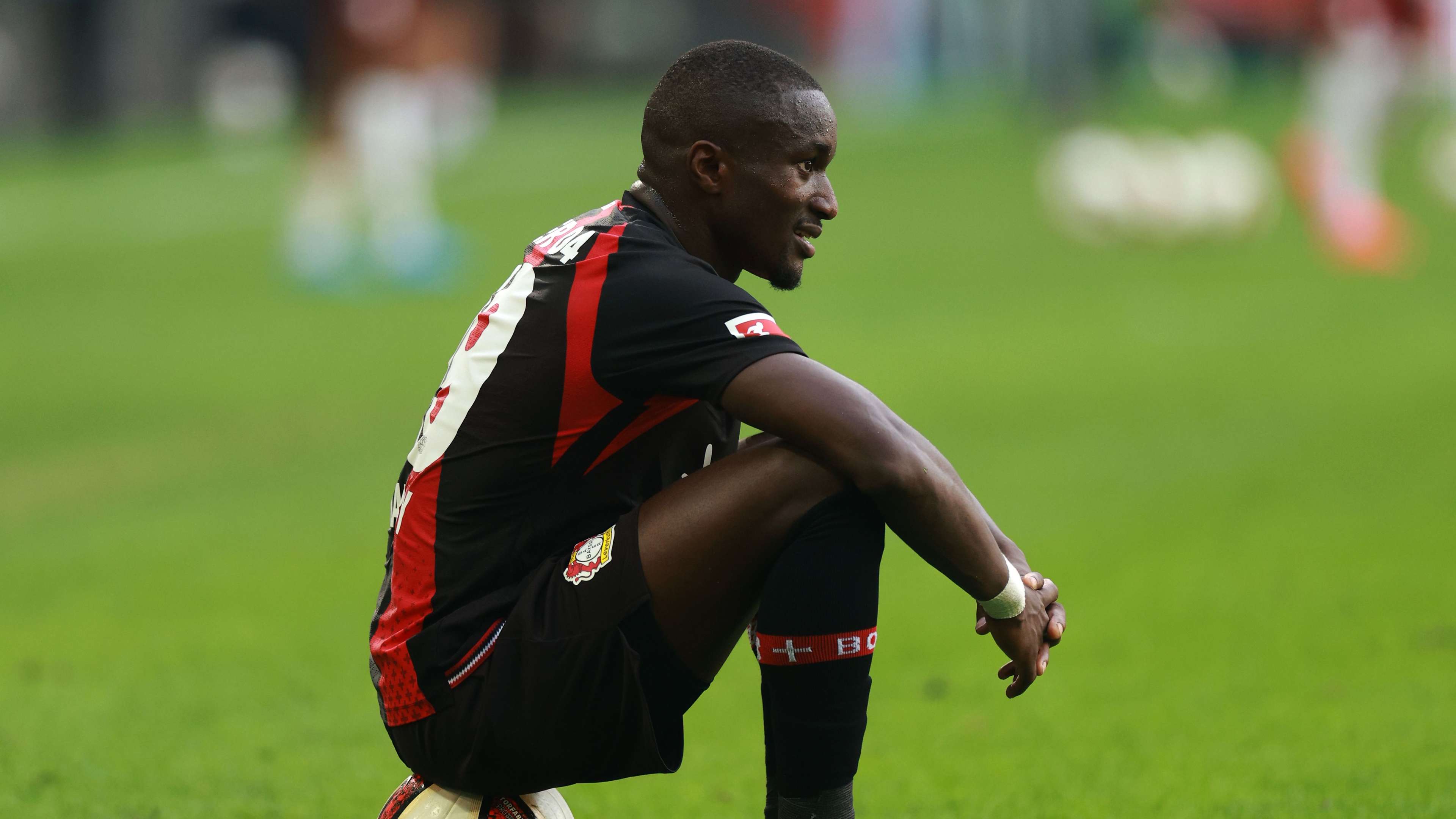
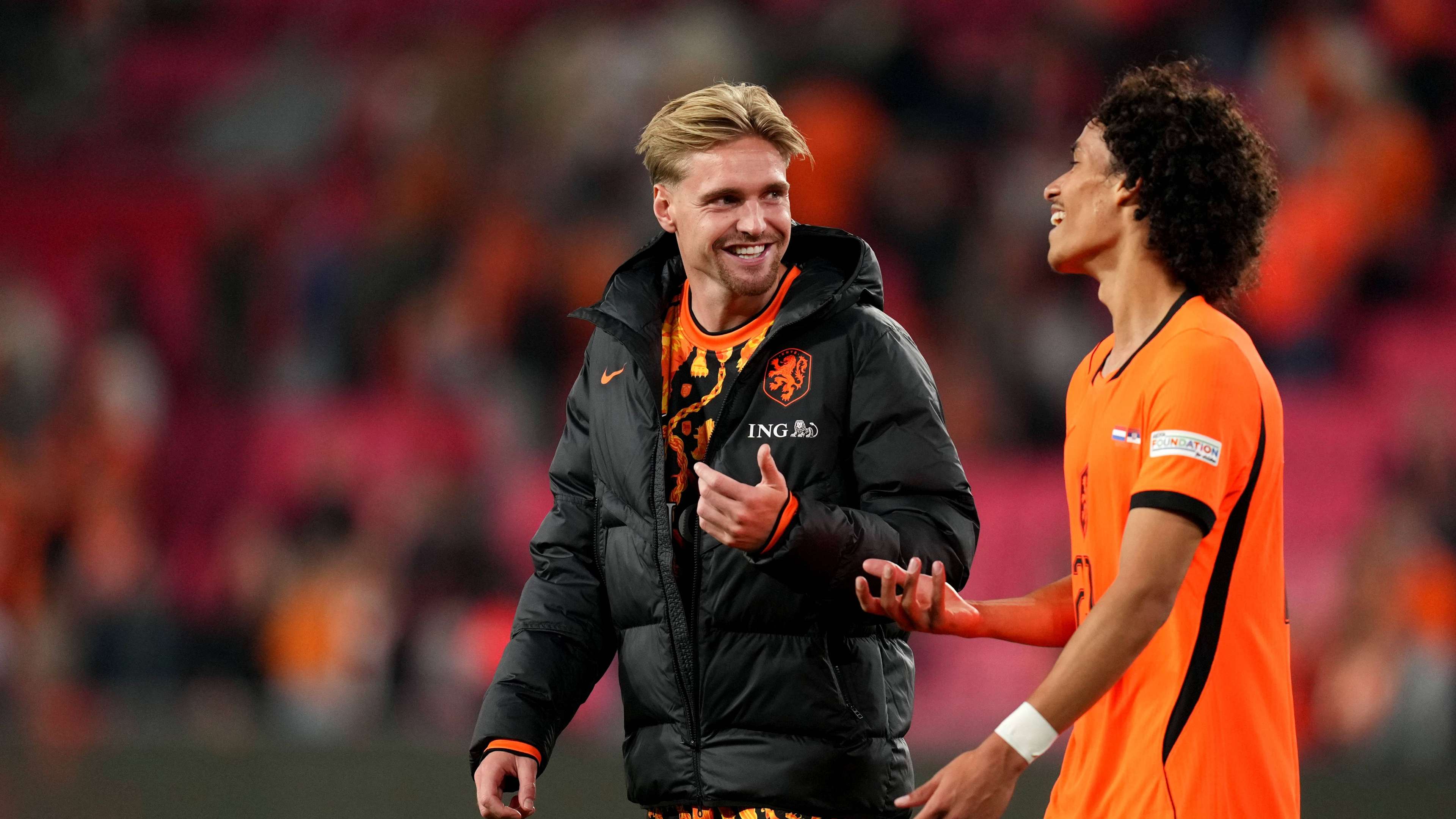
Fellhauer’s strike made him the fastest goalscorer in Bundesliga history, beating the previous mark of nine seconds. Former Germany internationals Kevin Volland and Karim Bellarabi had both held the record, and each sent Fellhauer a message of congratulations after the match.
Augsburg planned to press Neuer from the opening whistle
Speaking after the game, Fellhauer explained that Augsburg had studied Bayern’s kick-off pattern before the match. The plan, he said, was to anticipate the ball being played backwards to Neuer, who would then send it forward. Fellhauer’s assignment was to disrupt that sequence before Bayern’s goalkeeper could settle possession.
“Before the match we discussed very clearly what Bayern’s kick-off tactic is,” he said. “That was my job in that case.” The approach paid off almost immediately. Luis Díaz played the ball back, but Neuer failed to control it cleanly, giving Fellhauer the opportunity to close in and force a mistake.
The Augsburg forward first had to get past Alphonso Davies, a defender known for his pace and ability to recover. Fellhauer said he managed to move beyond the Canadian relatively easily, then noticed that the ball had escaped Neuer’s control. Rather than wait for the goalkeeper to recover, he sprinted in to apply pressure and block the attempted clearance.
Once the ball broke free, Fellhauer found himself with a clear route to goal. He took another touch before shooting, later admitting that his first thought was to make sure he did not rush the finish and send the ball wide. The extra touch proved effective: the ball crossed the line, and Augsburg had taken the lead before many spectators had settled into their seats.
“The easiest goal of my career”
Asked whether it was the simplest goal he had scored, Fellhauer offered a measured answer: “So far, you could say that.” The finish may have been straightforward, but the preparation behind it reflects how detailed tactical analysis can shape a football match from its first seconds.
Fellhauer also acknowledged the surreal feeling of seeing an empty goal in front of him. His instinct was not to shoot immediately, but to take one more touch to steady himself. That decision gave him a better chance of completing the move, turning a high-pressure moment into a piece of Bundesliga history.
The record brought its own light-hearted consequence. Fellhauer said he had not yet decided how the achievement would be celebrated, although teammate Michael Gregoritsch had already suggested that the record-holder should buy the squad a round. The forward described the messages from Volland and Bellarabi as “a very, very cool thing” and said there was plenty to be happy about.
A historic goal, but no Augsburg victory
Despite Fellhauer’s extraordinary start, Augsburg could not turn their early advantage into a third league win of the season. Bayern responded after the break, with Ismael Saibari scoring the equaliser in the 55th minute. Augsburg regained the lead in the 64th minute through Rodrigo Ribeiro, but Nathaniel Brown levelled the match again in the 80th minute.
The 2-2 result left Augsburg with eight points after six Bundesliga matches. Manuel Baum’s side sat sixth in the standings, a promising position that underlined their strong start to the campaign. For Augsburg, the draw offered both a landmark individual moment and evidence that they could compete with one of the league’s most powerful teams.
Neuer was involved in another difficult moment when Ribeiro restored Augsburg’s lead, adding to a frustrating afternoon for Bayern’s experienced goalkeeper. However, the match’s biggest talking point beyond Fellhauer’s record was a disallowed Bayern goal involving Luis Díaz.
Controversy over Díaz’s disallowed goal
Bayern believed they had scored in the 50th minute, but referee Sven Jablonski ruled the effort out after a VAR review. The decision focused on Josip Stanišić’s offside position. Bayern representatives later argued that the goal should have stood because the move had developed into a new phase of play before Díaz finished.
Former referee Patrick Ittrich and Bayern board member Max Eberl both questioned the call after the match. The decision added to Bayern’s frustration, particularly because the officials disallowed four goals for the Munich side during the contest. The episode is likely to fuel further discussion about how referees and VAR interpret offside situations when possession changes or a fresh phase of play begins.
For supporters, the debate also highlights a familiar challenge in modern football: VAR can provide additional angles and time for review, but decisions involving the details of an attacking sequence can remain contentious. In a match decided by narrow moments, the ruling became a major part of the post-match conversation.
What the result means for both teams
Augsburg will take confidence from their performance, even though the team missed the chance to claim all three points. Their opening strategy worked exactly as intended, and their ability to regain the lead after Bayern’s equaliser showed resilience. Fellhauer’s goal was a dramatic example of preparation meeting opportunity—and a reminder that concentrated pressing can punish even the most experienced players.
Bayern, meanwhile, will look back on the match as a frustrating combination of defensive errors, missed opportunities and disputed officiating. The champions’ attacking threat was clear, but the disallowed goals and the two Augsburg leads meant they could not secure victory.
For fans searching for a football prediction ahead of the teams’ next fixtures, this draw offers useful context rather than a guarantee of what comes next. Augsburg’s early-season form suggests they can trouble strong opponents, especially when their pressing is coordinated, while Bayern’s attacking quality remains formidable. The key question will be whether Augsburg can maintain their consistency and whether Bayern can turn chances into goals without further controversy.
Whatever happens in the coming weeks, Fellhauer’s eight-second strike has already secured its place in the record books. It was the product of a clear tactical instruction, sharp anticipation and a composed finish—and a reminder that in football, the match can change before the opening whistle has barely faded.