
Bruno Fernandes and Manchester United Face a Defining Contract Decision
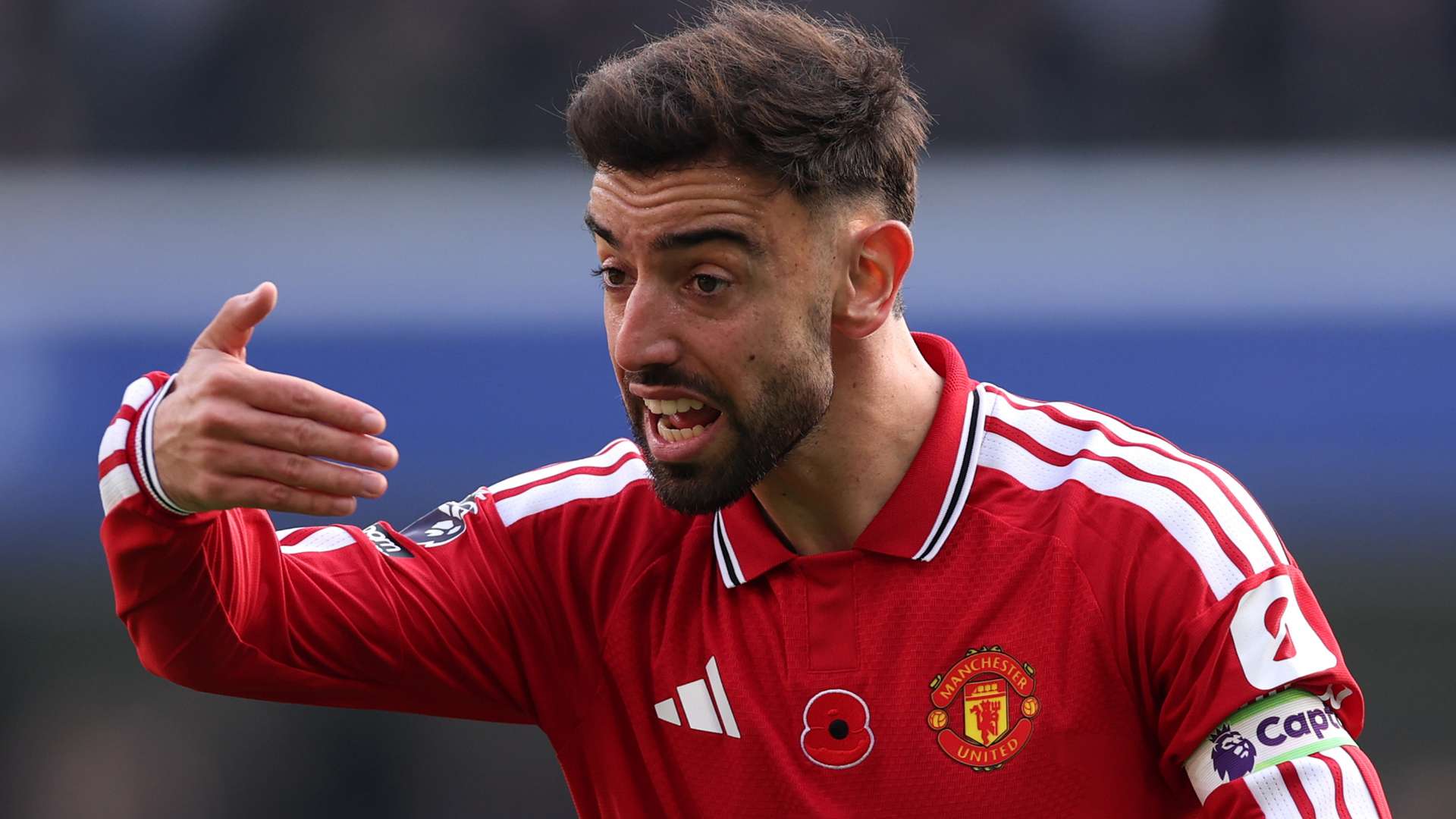
Bruno Fernandes has reportedly turned down Manchester United’s latest contract proposal, raising fresh questions about his future at Old Trafford. With discussions said to have reached an impasse, the club and its captain must now decide whether they can agree on a new deal—or whether a departure could become a realistic possibility.
Former England striker Michael Owen has told GOAL that Fernandes’ frustration is understandable. The midfielder has spent six years at United, but during that time the club have celebrated only two major trophy wins. For a player whose ambitions are closely tied to competing for silverware, that record may carry considerable weight as he weighs his next move.
Why Fernandes’ frustration is understandable
Fernandes arrived at Manchester United in January 2020 and quickly became one of the team’s most influential players. His energy, creativity and willingness to take responsibility helped lift the side during a difficult period. He has regularly been asked to create chances, lead the press and provide a spark in matches where United have struggled to control proceedings.
That contribution has made him a central figure for the club, but individual influence does not guarantee collective success. United have won two trophies during Fernandes’ time at Old Trafford, a return that falls short of the expectations attached to one of football’s most prominent clubs. Owen’s comments reflect a broader point: players at the highest level often judge their careers not only by their personal performances, but also by the trophies they can compete for and win.
Fernandes’ situation is therefore about more than the details of a contract. A new agreement would represent a commitment to the club’s next phase, while a move elsewhere could offer a different sporting challenge. The midfielder must consider whether United can provide a credible route back to regular title contention and consistent success in domestic and European competitions.
Contract talks reach a crucial stage
Reports that Fernandes has rejected the latest offer do not necessarily mean negotiations are over. Contract discussions can involve several factors, including salary, length, performance incentives and the club’s plans for the squad. Still, the reported gridlock suggests that both sides may need to reconsider their positions if they hope to find common ground.
For United, retaining Fernandes would preserve a proven creator and an experienced leader. His ability to spot forward passes, deliver from set pieces and arrive in scoring positions gives the team a range of attacking options. He also brings a strong competitive edge, qualities that can be valuable during a rebuild and in high-pressure matches.
However, keeping a key player is only part of the challenge. United need to show that their ambitions are matched by progress on the pitch. A persuasive contract offer may matter, but the club’s recruitment, coaching direction and results could be just as important to Fernandes when he considers his future.
Could a move elsewhere be imminent?
A transfer is being discussed as a possibility, but the reported rejection of one offer does not confirm that Fernandes is leaving. The midfielder may still be open to an extension if the terms and the club’s sporting plans meet his expectations. Equally, Manchester United may have to consider whether a significant offer from another club would change their approach.
Any decision would carry consequences for both sides. Fernandes would be leaving a club where he has become a captain and a defining presence, while United would need to replace not just his goals and assists but also his influence in possession. Finding a player with a similar combination of vision, work rate and leadership would be a major task.
A potential transfer would also depend on timing, interest from other teams and the financial structure of any deal. For now, the most important development is that the contract situation appears unresolved. Until negotiations progress, speculation will continue to grow around whether Fernandes sees his future at Old Trafford.
What United need to prove
The debate surrounding Fernandes highlights the wider pressure facing Manchester United. A club with their history cannot rely indefinitely on reputation or promises of a brighter future. Players want evidence that the team is moving in the right direction: stronger performances, improved consistency and a realistic chance of challenging for major honours.
That makes the months ahead significant. United’s results and overall football may shape the atmosphere around the negotiations, particularly if the team can demonstrate greater stability. A convincing run could strengthen the case for Fernandes to stay, while continued inconsistency might reinforce concerns about the club’s ability to match his ambitions.
For supporters, the contract story also raises a difficult question: should United do everything possible to retain their captain, or plan for a future without him if an agreement cannot be reached? There is no simple answer. Keeping a high-quality midfielder can protect the team’s creative output, but a long-term strategy must also account for squad balance, finances and the player’s own wishes.
Manchester United’s next match
United are scheduled to face Liverpool in a Premier League fixture on 23 November 2026, with kick-off listed for 00:30. The match offers a major test against a familiar rival and could add another layer to the scrutiny surrounding the club. While one game will not decide Fernandes’ contract situation, performances in high-profile fixtures can influence perceptions of the team’s progress.
As negotiations continue, every result is likely to be viewed through the wider question of United’s direction. Fernandes remains an important part of the conversation, but the outcome will depend on more than his latest contract proposal. The club must present a sporting project capable of convincing him that his best chance of winning trophies remains at Old Trafford.
A decision with consequences for both sides
Fernandes’ reported rejection has brought a long-running issue into sharper focus: Manchester United must turn their ambitions into sustained success. Owen’s assessment—that frustration is understandable after six years and only two trophy wins—captures why the midfielder may be considering his options.
Whether he signs a new deal or moves elsewhere, the decision will shape United’s plans and influence the club’s next chapter. For now, the situation remains unresolved. The coming weeks will reveal whether both parties can bridge the gap between them, or whether a change of scenery becomes the next step in Fernandes’ career.