
Unanticipated Sack of Dino Toppmöller by RC Lens Sparks Debate and Reflection in Football Community
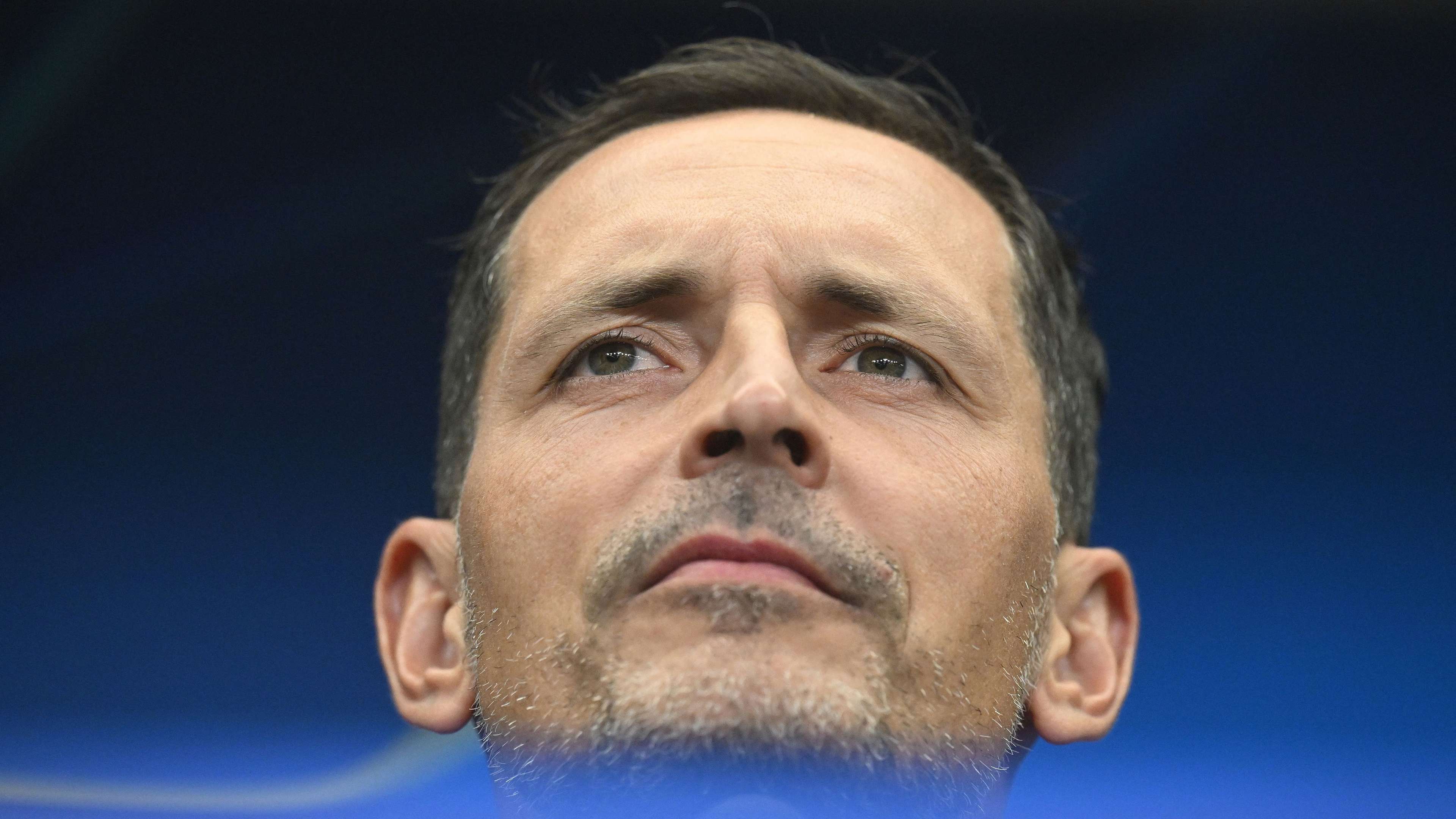
The world of football is no stranger to dramatic turnarounds, but the recent sudden dismissal of Dino Toppmöller from French Ligue 1 club RC Lens has stunned fans, pundits, and industry insiders alike. Coming off a period of significant achievement—including winning the French Super Cup and earning a victory in the Champions League—Toppmöller’s abrupt exit raises questions about the often unpredictable nature of football management and the complex behind-the-scenes decisions that influence a club’s trajectory.
From Triumphs to Turmoil: The Rise and Fall of Dino Toppmöller at RC Lens
At just 45 years old, Dino Toppmöller had already made a name for himself as a promising football coach, notably leading Eintracht Frankfurt to notable success before taking the helm at RC Lens. His tenure at Lens initially seemed promising, especially after a remarkable start that included a victory over Paris Saint-Germain, the dominant force in French football, in the Super Cup—a match often regarded as a curtain-raiser for the season and a high-profile prediction of a team’s potential.
Shortly before his departure, Toppmöller guided Lens to a notable away win in the Champions League against Slavia Prague, further cementing his reputation as a tactician capable of competing with Europe’s elite. Inside the club, the mood appeared optimistic. According to Toppmöller, after the Champions League success, club president Joseph Oughourlian personally called the team to share his enthusiasm, describing the players and staff as “totally euphoric” and the president himself as “unbelievably happy and proud.”
The Unexpected Turn: Why Did RC Lens Sack Toppmöller?
Despite these early triumphs, the club’s management made a sudden decision to dismiss Toppmöller after just six competitive matches. The reasoning behind this move, however, remained shrouded in mystery until the coach opened up during an interview on the podcast of his advisory agency, Spielmacher von 360Media. His detailed account sheds light on the internal dynamics that led to his departure, revealing a complex interplay of personal relationships, club politics, and strategic disagreements.
The Confrontation Behind Closed Doors
Toppmöller recounts a pivotal two-hour meeting with RC Lens’s sporting director Jean-Louis Leca and general director Benjamin Parrot. The core issue revolved around the club’s desire to part ways with Nelson Morgado, a trusted assistant coach and close confidant of Toppmöller. The management’s concern was that Morgado, at 39, was perceived as “too demanding” and “rubbing too many people the wrong way,” thereby disrupting the internal harmony of the coaching staff.
The management presented Toppmöller with an ultimatum: either he relinquished his close working relationship with Morgado or face the termination of his own role as head coach. Despite the tense nature of the discussion, Toppmöller emphasizes that the meeting remained remarkably calm and professional. He describes the atmosphere as “harmonious,” with the management insisting that their decision was ultimately for the benefit of both the club and the team.
Values and Principles: Toppmöller’s Stand
What makes Toppmöller’s account compelling is his unwavering stance on loyalty and integrity. He explicitly states that he refused to sacrifice his assistant unless there was evidence of misconduct. “If I had seen some extreme misconduct, of course I would have accepted that,” he said. “But that was not the case.” His refusal to dismiss Morgado was rooted in his core values and respect for his staff, which he views as essential to maintaining a healthy team environment.
He further articulated his perspective: “You do not just give up someone who has done nothing wrong out of the ordinary. It’s important for me to look in the mirror and be proud of my decisions.” This stance resonates deeply within football prediction circles, where managerial stability and team cohesion are often seen as predictors of success.
Repercussions and Reactions
The decision to sack Toppmöller drew criticism from various quarters, including his family. His father, Klaus Toppmöller, a respected former Bundesliga striker and coach, voiced his disbelief: “Have they completely lost it?” His words reflect the broader sentiment of confusion and concern within the football community regarding the club’s sudden change of course.
Despite the setback, Toppmöller remains eager to return to the football touchline. He has publicly dismissed the idea of taking an extended break—”I do not need a year off”—and is actively seeking new opportunities where his vision and principles can be appreciated. His resilience underscores a fundamental truth about football: despite setbacks and unforeseen circumstances, passionate coaches often find their way back into the game.
What This Means for Football Prediction and Management
The case of Dino Toppmöller at RC Lens offers valuable insights for football prediction enthusiasts and industry analysts. It highlights that success on the pitch, such as winning trophies or securing Champions League victories, does not always guarantee managerial stability. Internal club politics, personal relationships, and leadership philosophies can significantly influence a coach’s tenure, regardless of results.
For football prediction, understanding these behind-the-scenes dynamics is crucial. It emphasizes that future team performances depend not only on tactical setups and player quality but also on the stability and alignment of club management and coaching staff. The unpredictable nature of football management, as exemplified by Toppmöller’s case, is a reminder to consider multiple factors when assessing a team’s prospects.
Conclusion: The Road Ahead for Dino Toppmöller and Football Management
As Dino Toppmöller prepares for his next chapter, the football world watches with interest. His principled stance and resilience serve as a testament to the complexities of football management beyond the pitch. Meanwhile, clubs and fans alike are reminded that success involves a delicate balance of results, relationships, and shared values.
In the broader context of football prediction and analysis, Toppmöller’s story underscores the importance of understanding the nuanced human elements that influence team performance. Success is not solely measured by trophies but also by the integrity and harmony within a club’s leadership structure.
As the football season progresses, the hope remains that coaches like Toppmöller find opportunities that align with their principles, and that clubs recognize the value of stability, loyalty, and respectful leadership in achieving long-term success.