
Manchester City Appeals Financial Rule Breach Verdict: What’s at Stake?
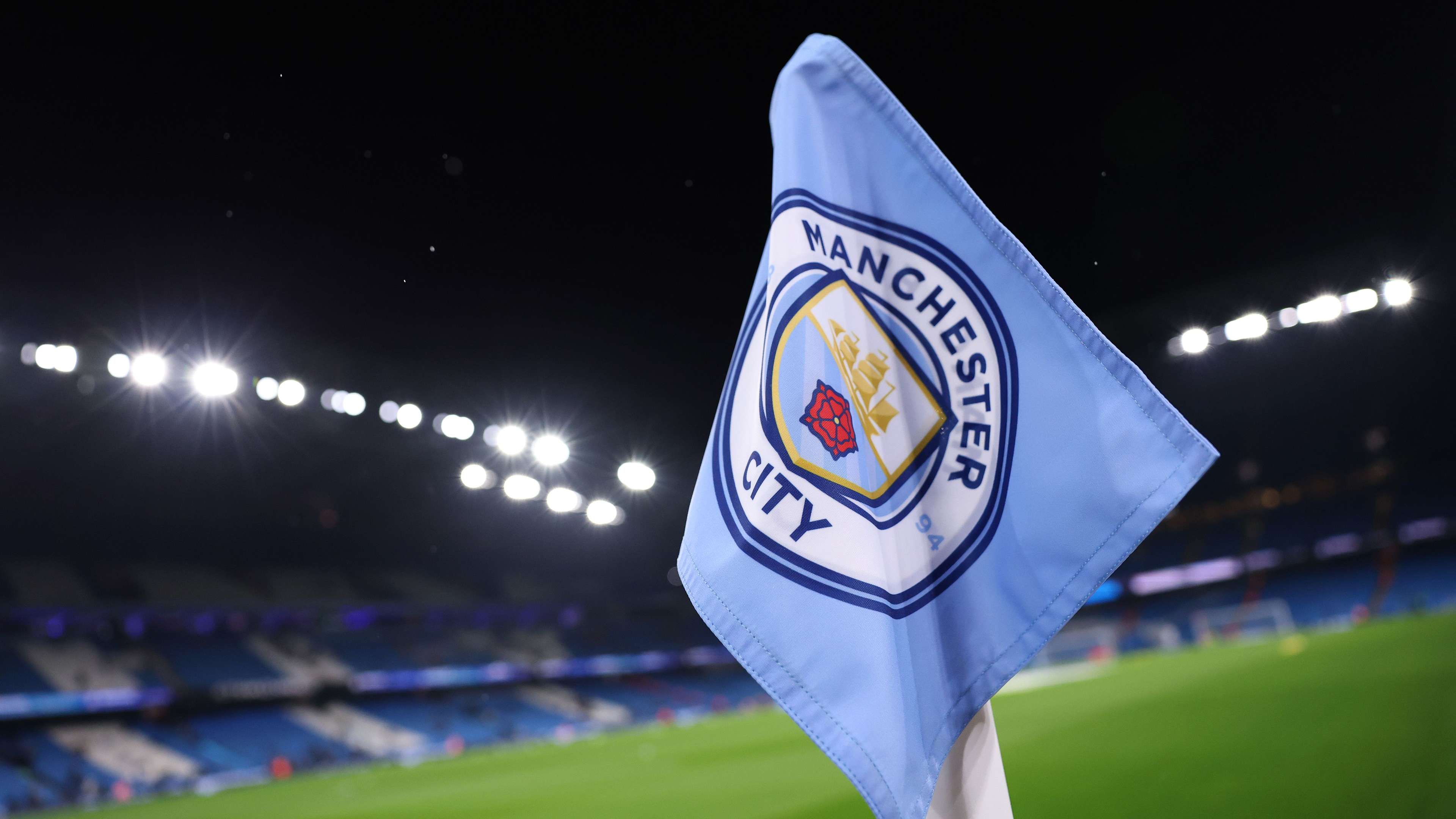
Manchester City Football Club has officially lodged an appeal against the recent ruling by an independent commission that accused the club of breaching the English Premier League’s financial regulations. This development has sent ripples through the football world, raising questions about the integrity of club finances, the influence of ownership structures, and the ongoing battle to preserve competitive fairness across the league.
Background: The Controversy Surrounding Manchester City’s Financial Conduct
The controversy centers on allegations that Manchester City concealed significant funding from their owners, amounting to approximately £830.69 million, and falsely categorized this as sponsorship revenue in their financial statements. The independent commission, which conducted a comprehensive investigation, concluded that City had engaged in a scheme to disguise the true source of this funding, violating the Premier League’s strict financial fair play rules.
This ruling has profound implications, not just for Manchester City’s reputation but also for the broader landscape of football governance. The club’s financial dealings have been under scrutiny for years, with critics arguing that such practices distort the competitive balance and undermine the integrity of the sport.
Manchester City’s Response: The Substance of the Appeal
In their official appeal, Manchester City has challenged the commission’s findings, asserting that the additional funding attributed to the sponsorship deals between 2009 and 2018 was, in fact, provided by the Abu Dhabi government, not the club’s owners, as alleged. According to sources from Britain’s Sky Sports, City’s legal representatives have argued that the funding was part of a broader strategic partnership with the Abu Dhabi government, which they contend is a legitimate source of sponsorship revenue.
City’s legal team emphasized during the 2024 hearings that the funds originated from Newton Investment and Development LLC, a company affiliated with Sheikh Mansour bin Zayed Al Nahyan, a prominent member of Abu Dhabi’s ruling family, who also serves as Vice President of the United Arab Emirates and Deputy Prime Minister. The club maintains that this linkage clearly establishes the funding’s origin and dispels accusations of financial misconduct.
The Independent Commission’s Rejection and Key Findings
Despite City’s assertions, the independent commission dismissed their arguments, describing the club’s claims as an “interpretation concocted long after the events,” and accused Manchester City of attempting to conceal the true nature of their funding scheme. The commission’s report highlighted that the timing and structure of the sponsorship deals appeared to be deliberately designed to mask the real source of the funds, which were ultimately traced back to the Abu Dhabi government.
This decision underscores the commission’s stance that the club’s financial disclosures were not merely a matter of accounting nuances but represented a deliberate breach of league rules intended to maintain a level playing field.
Implications for Manchester City and the Broader Football Landscape
The appeal process is critical for Manchester City as they seek to overturn the commission’s ruling and clear their name. The outcome could have lasting repercussions, including potential sanctions such as points deductions, financial penalties, or restrictions on player transfers if the original ruling is upheld.
Moreover, this controversy feeds into larger discussions about financial transparency in football. The role of club ownership, especially in cases involving state-backed entities like Sheikh Mansour’s Abu Dhabi United Group, continues to generate debate over how clubs should disclose their funding sources and adhere to fair play regulations.
Why This Matters for Football Prediction and Fans
For football enthusiasts and sports bettors, understanding the nuances of these financial controversies can influence predictions and betting strategies. The integrity of competition hinges on fair play, and any perceived or actual breaches can impact team performances and league standings.
As the legal process unfolds, fans and analysts will be closely watching whether Manchester City can substantiate their claims and how the Premier League and football authorities respond. The outcome could redefine the boundaries of acceptable financial conduct within the sport and serve as a precedent for other clubs operating in complex ownership structures.
Looking Ahead: The Road to Resolution
The club’s appeal is now in the hands of regulatory authorities and legal systems tasked with ensuring fairness and transparency in football. The process may take several months, during which both parties will present their evidence and arguments.
Meanwhile, the broader football community remains divided—some see Manchester City as a victim of overreach, while others view the club’s actions as a breach of the sport’s ethical standards. Regardless of the final decision, this case highlights the ongoing need for clearer regulations and stricter enforcement to safeguard the sport’s integrity.
Conclusion: A Pivotal Moment for Football Governance
The Manchester City financial dispute exemplifies the complex interplay between club finances, ownership influence, and regulatory oversight in modern football. As the club’s appeal advances, all eyes will be on the legal proceedings, which could set important precedents for how financial transparency is viewed and enforced across the sport.
For football prediction enthusiasts, this saga serves as a reminder that financial health and compliance are vital components influencing team performance and league dynamics. As the sport continues to evolve, ensuring a level playing field remains paramount for maintaining fans’ trust and the integrity of football worldwide.