
Thierry Henry’s Arsenal Return: Why a Coaching Comeback May Take Time
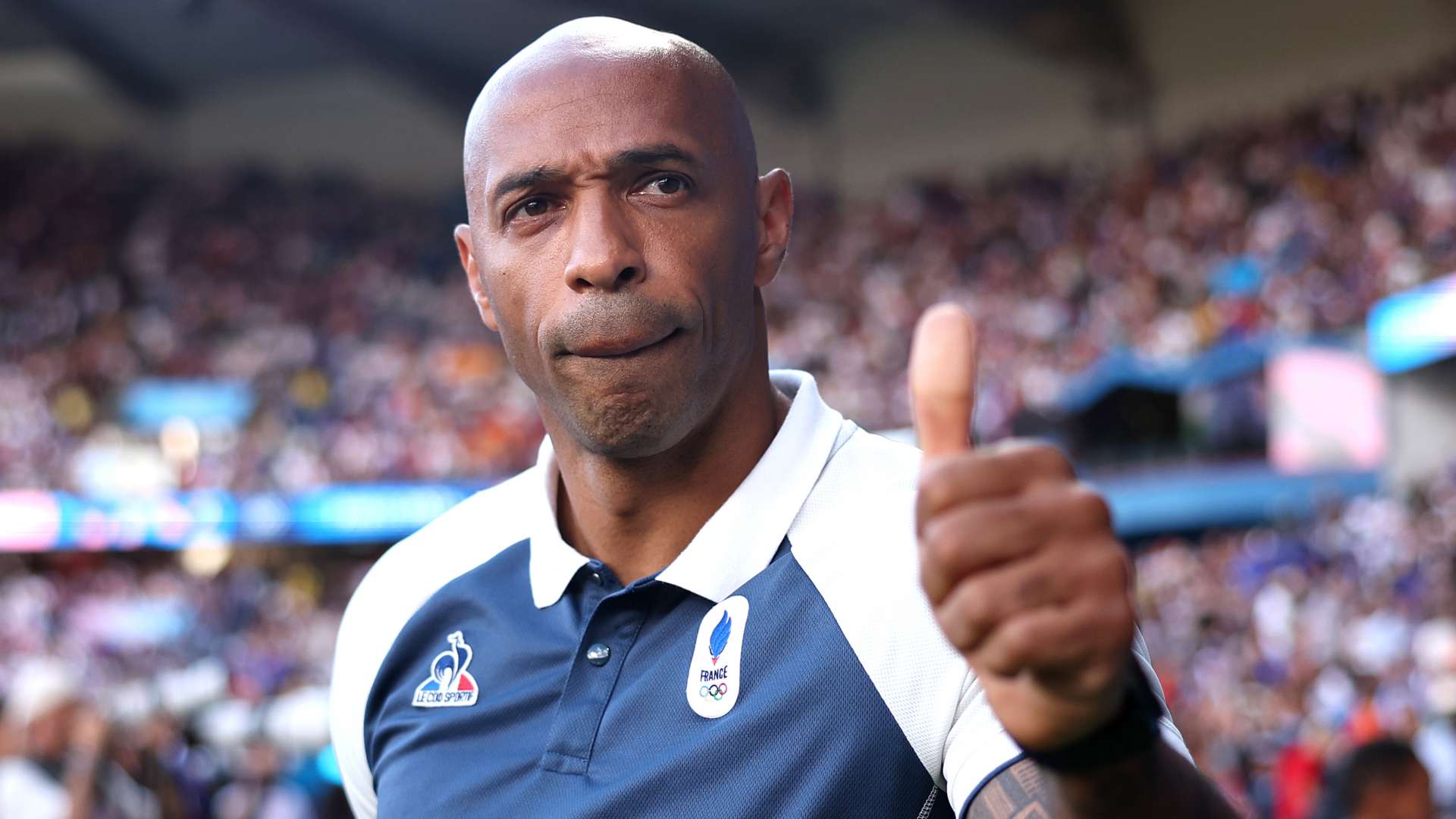
Could Thierry Henry return to football management—or one day take up a coaching role at Arsenal? The idea remains an appealing one for supporters, particularly given the French legend’s close connection with the club and his extraordinary record as a striker. But former Arsenal defender Gilles Grimandi believes Henry is unlikely to rush back into the dugout.
Speaking to GOAL, Grimandi offered insight into the thinking of his former teammate. While he would welcome the prospect of Henry helping Arsenal’s forwards at the Emirates Stadium, he suggested that any return to coaching would have to happen on Henry’s terms. For now, the former striker appears to be taking his time before deciding what comes next.
Why Henry may not hurry back to management
Henry has already experienced the demands and pressures of coaching. His managerial career included a challenging spell at Monaco, where results and circumstances made it difficult to build a lasting project. He later took charge of Montreal Impact, now CF Montréal, in Major League Soccer. Those experiences gave him a different perspective on the game, but they also highlighted how demanding a coaching job can be.
Managing a team involves far more than tactical preparation on matchday. Coaches must oversee training, communicate with players, work alongside recruitment and performance staff, and respond to constant scrutiny when results fall short. For someone who spent much of his playing career at the highest level, returning to that environment is a major decision—not simply a matter of accepting the first available opportunity.
Grimandi’s comments suggest that Henry is not looking for a quick route back into management. That does not necessarily mean he has ruled out coaching altogether. Instead, it points to a more measured approach: waiting for a role that suits his ambitions, experience and preferred way of working.
Why an Arsenal striker-coaching role appeals
Although a return as a first-team manager may not be imminent, Grimandi believes Henry working with Arsenal’s strikers would be “lovely.” It is easy to understand the appeal. Henry remains one of the most celebrated forwards in the club’s history, and his knowledge of movement, finishing and decision-making could offer valuable lessons to the next generation.
His Arsenal career was defined by more than goals. Henry combined pace and technical skill with an exceptional understanding of space. He could drift wide, run behind a defensive line, link play with teammates or create a chance from a difficult position. A specialist coach with that range of experience could help forwards understand how to adapt their approach to different opponents and match situations.
For young attackers, learning from a player who succeeded in the Premier League, European competition and international football could be especially useful. Henry won the World Cup with France and became a central figure during Arsenal’s most successful modern era. His experience could help players develop not only their technique but also the confidence and composure needed in high-pressure moments.
Arsenal’s modern coaching environment
Any potential role would also have to fit Arsenal’s current football structure. The club’s coaching staff work within a detailed system shaped by manager Mikel Arteta, with training methods, tactical principles and individual development plans aligned across the squad. A former great joining the staff would need a clearly defined role and strong communication with the existing coaches.
That could make a specialist position more practical than an immediate move into management. A striker coach might focus on finishing, movement in the penalty area, pressing responsibilities and combinations with wide players and midfielders. Such work would be most effective if it complemented the club’s broader approach rather than operating separately from it.
There is also a difference between a former player’s reputation and the day-to-day demands of coaching. Henry’s achievements would naturally command respect, but a successful appointment would depend on how well he connected with the players and staff. Experience as an elite forward can provide a powerful foundation; translating that knowledge into clear, repeatable coaching is another challenge.
What Henry’s return could mean for Arsenal’s forwards
Arsenal supporters have often discussed whether Henry could contribute to the club again in a football capacity. The prospect is attractive because it connects the club’s celebrated past with its present ambitions. Yet a return would not need to involve a headline-making managerial appointment. A focused role working with attackers could allow Henry to share his expertise while giving him time to decide whether he wants a larger coaching commitment.
His influence might be particularly valuable in helping forwards make quicker decisions around the box. Modern attackers are expected to press, combine, create space and finish chances, often within a single phase of play. Henry’s own career offers examples of how a striker can balance individual instinct with the demands of a collective system.
Still, no coaching appointment should be treated as inevitable. Grimandi’s comments express enthusiasm for the idea, not confirmation that discussions are under way. A return would depend on Henry’s own interest, Arsenal’s needs and whether both sides could agree on the right responsibilities.
Prediction: a gradual return is more likely than a quick managerial move
The most realistic prediction is that Henry will take a careful approach before committing to another major coaching role. If he does return to Arsenal, a specialist position—potentially supporting the club’s forwards—could be a more natural first step than taking charge of the entire team. That kind of role would make use of his playing experience while allowing him to work within an established coaching structure.
For now, Grimandi’s remarks leave the door open without suggesting that Henry is ready to walk through it. Arsenal fans can reasonably hope to see the former captain contribute to the club again, but patience may be required. Whether as a striker coach, a mentor or a manager further down the line, Henry’s next move is likely to depend on finding the right fit rather than returning for the sake of it.