
Josh Tongue Ruled Out of England’s ODI Series Against Australia
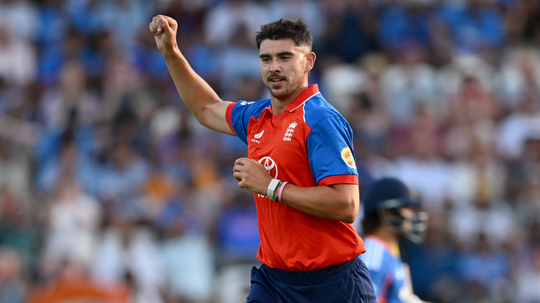
England’s preparations for their upcoming one-day international series in Australia have suffered a setback, with fast bowler Josh Tongue ruled out because of a toe injury. The England and Wales Cricket Board confirmed on Saturday, November 7, that Tongue injured the big toe on his left foot and will return to the United Kingdom for further assessment.
The 28-year-old had been selected specifically for the ODI leg of England’s tour after being rested for the earlier T20 internationals. His withdrawal leaves England without a bowler who had been earmarked for the 50-over matches, although the team has not yet announced a replacement. With the first ODI scheduled for November 13 in Perth, selectors will need to consider their options as the series approaches.
Injury Disrupts England’s Workload Plan
Tongue’s selection reflected England’s wider effort to manage player workloads across formats. The fast bowler has been a regular presence in Test cricket, where the physical demands of long spells and repeated matches can make careful scheduling especially important. Resting him from the T20I portion of the tour was intended to give him a more focused role in the ODI series.
That plan was part of a broader discussion within England’s coaching setup. White-ball coach Brendon McCullum has indicated that he wants to work closely with red-ball counterpart Stephen Fleming on managing players across the national system. The aim is to balance the needs of each format, protect players from excessive demands and ensure key performers are available for important fixtures.
Tongue’s injury illustrates the challenge of workload planning: even when a player is rested from one part of a tour, an unexpected injury can disrupt preparations. His return to the UK will allow medical staff to assess the severity of the problem and determine the next steps. The ECB has not provided a timeline for his recovery.
Recent Form Across Tests and One-Day Cricket
Tongue arrives at the setback after a productive spell in Test cricket. He took 19 wickets across three Tests against Pakistan, performances that strengthened his reputation as a fast bowler capable of troubling batters with pace and movement. That success helped earn him opportunities in one-day cricket, including appearances against the same opposition.
His most recent ODI outing came in a tri-series in Pakistan, where he played once and returned figures of three wickets for 79 runs. The match was a remarkable contest: England posted 429, only for Sri Lanka to chase down the target in a dramatic result in Rawalpindi. While Tongue’s figures came in a high-scoring game, the experience offered another opportunity to adapt his skills to the demands of limited-overs cricket.
He also featured in two home ODIs against Pakistan after his strong Test performances. Those appearances gave England a chance to evaluate how his aggressive approach could translate to the 50-over format, where bowlers must balance wicket-taking intent with control across different phases of an innings.
What Tongue’s Absence Could Mean for England
England’s squad contains several pace-bowling options, giving captain Harry Brook and the coaching staff alternatives as they prepare for Australia. Jofra Archer and Gus Atkinson bring international experience and speed, while all-rounders such as Sam Curran and Jamie Overton can provide additional seam support. The final combination will depend on conditions, fitness and how England want to structure their attack.
Perth is often associated with pace and bounce, making fast bowling a central part of the selection discussion. However, conditions can vary, and England will also need to consider control, batting depth and the ability to defend totals. Tongue’s absence may therefore affect more than the number of specialist quicks available: it could influence the balance of the XI and the roles assigned to the all-rounders.
Any prediction about England’s likely bowling lineup should be treated cautiously until the team confirms its replacement plans and the players’ fitness. The squad offers depth, but international cricket in Australia can test even experienced attacks, particularly when batters are able to use the pace of the surface. England’s ability to adapt their plans during the series could prove as important as the names selected.
England Squad for the Australia ODI Series
England have named the following squad for the three-match series: Harry Brook (captain), Jofra Archer, Gus Atkinson, Sonny Baker, Tom Banton, Jacob Bethell, Jordan Cox, Henry Crocombe, Sam Curran, Liam Dawson, Ben Duckett, Will Jacks, Jamie Overton, Adil Rashid and Joe Root.
The group combines established international players with younger options, offering England flexibility across batting, pace bowling, spin and all-round skills. With Tongue unavailable and no replacement named so far, attention will turn to whether the ECB adds another specialist fast bowler or backs the existing squad to cover the gap.
Series Opens in Perth on November 13
The opening match of the three-ODI series is set for November 13 in Perth. The fixtures will give England an early test of their depth and adaptability on Australian soil, as well as an opportunity to build momentum in a challenging away environment.
For Tongue, the immediate priority is a full medical assessment in the UK. For England, the focus shifts to finalising a bowling plan without him and managing the workloads of the remaining players. The injury is an unwelcome development, but the squad still has several routes to a balanced attack. How those options perform—and whether England make a late addition—will shape the main selection conversation ahead of the first ball.