
Spain’s 2030 World Cup Final Bid Becomes a Political Flashpoint
The question of where the 2030 FIFA World Cup final will be played has become more than a debate about stadiums and tournament logistics. In Spain, it is increasingly a political football, with parties using the issue to signal their views on national prestige, relations with Morocco and Portugal, and the future of the joint hosting arrangement.
The dispute is gaining momentum as Spain approaches its general election on 29 November. The People’s Party (PP), led by Alberto Núñez Feijóo, has taken a hard line: Spain should host the final, and if it does not, the country should consider withdrawing from the tournament’s organisation. Prime Minister Pedro Sánchez’s Socialist government also wants the final in Spain, but has rejected the idea of abandoning the partnership.
With FIFA yet to announce its decision, the competing positions have turned the 2030 World Cup prediction into a test of political priorities as much as footballing ambition.
Feijóo Links Spain’s Participation to Hosting the Final
Feijóo set off the latest controversy by arguing that Spain should not help organise the World Cup if it is denied the final. Asked whether he would support a withdrawal if Morocco were selected to host the showpiece match, he answered yes.
“Spain must host the World Cup final, and if it does not host it, then from my point of view, Spain should not take part in organising the World Cup,” he said. In a post on X, he added that “the leading power in world football cannot be humiliated.”
The PP leader has presented the demand as a matter of sporting standing and national recognition. Spain has a strong football tradition, a successful men’s national team and a growing profile in women’s football. Feijóo’s argument is that the country’s contribution and record should be reflected in its role at the tournament’s most prominent match.
Isabel Díaz Ayuso, the PP president of the Community of Madrid, supported the possibility of Spain stepping away if it failed to secure the final. She described such a move as logical and connected the dispute to wider political tensions between Madrid and Rabat.
Why the final carries political weight
The World Cup final is the tournament’s defining event, drawing a global audience and bringing enormous attention to its host city. Securing it would be a major boost for Spain’s international image, tourism industry and sporting profile. That makes the contest over the venue especially useful to politicians seeking to frame the issue around national influence and prestige.
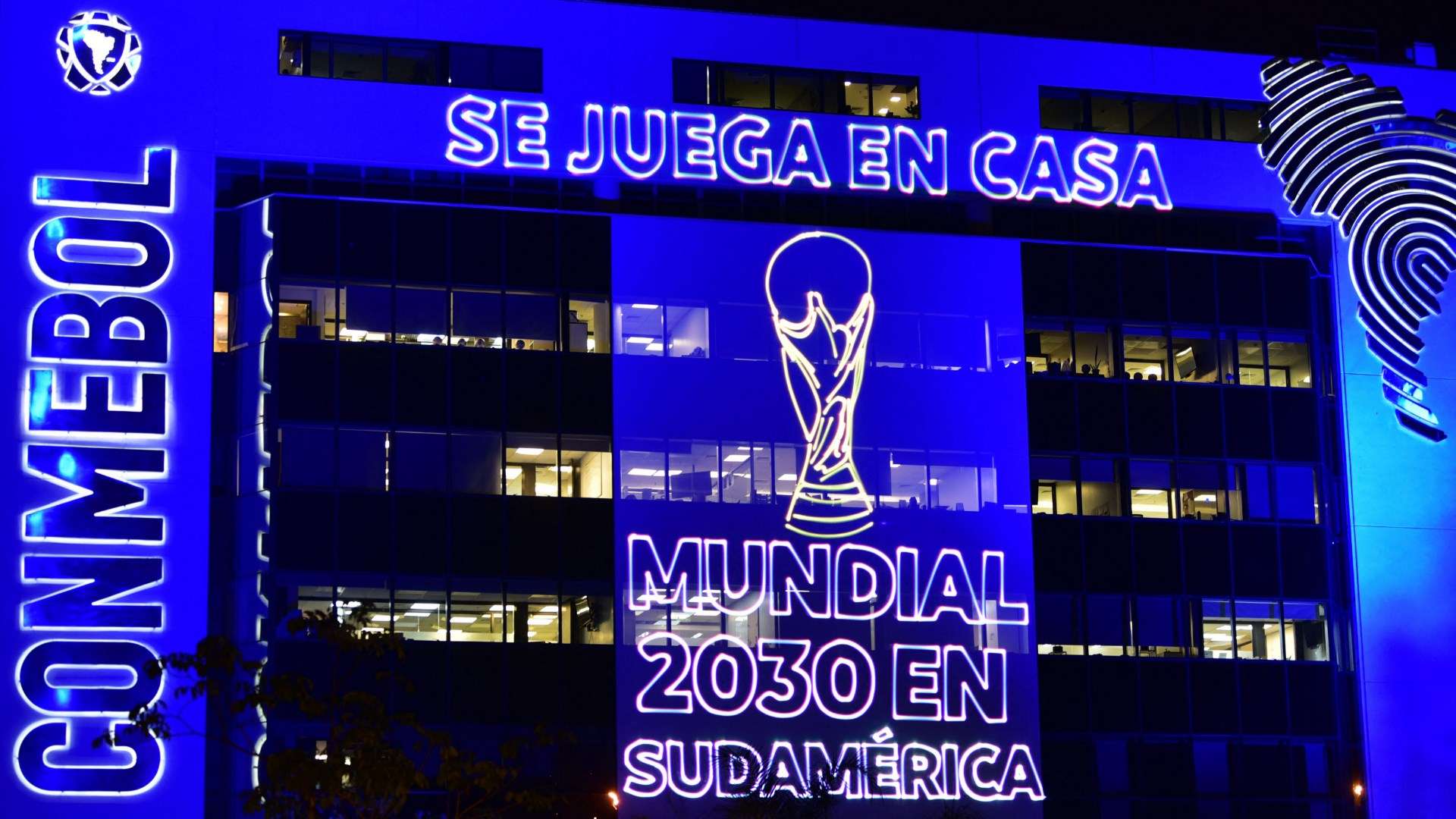
At the same time, a threat to withdraw raises questions about the practical consequences of turning a shared hosting project into a winner-takes-all contest. The 2030 tournament is planned as a joint event involving Spain, Morocco and Portugal, alongside commemorative matches in South America. A rupture between the European and North African partners could complicate planning and weaken the cooperative message behind the bid.
Sánchez Wants the Final in Spain but Supports the Partnership
Sánchez has also made clear that his government wants the final to be played in Spain. Last August, he said the country should aim to “win the World Cup on its own soil” and pledged to work towards bringing the decisive match to Spain.
But unlike Feijóo, the prime minister has not threatened to pull out if FIFA chooses another host. His position is to campaign for the final while maintaining the joint arrangement with Morocco and Portugal. That distinction reflects the government’s effort to balance domestic expectations with the diplomatic and organisational value of a shared tournament.
Spanish Sports Minister Milagros Tolón has reinforced that message. She said the government supports the World Cup project despite differences within Spain’s coalition politics, while stressing that the final venue is ultimately FIFA’s decision. Her comments underline an important point: neither Spanish politicians nor football officials can guarantee the final will be awarded to the country.
Morocco’s Role Divides Parties Across the Political Spectrum
Opposition to Morocco’s participation is not confined to the Spanish right. The left-wing Sumar party has proposed a parliamentary initiative calling for a review of the joint hosting model, citing concerns connected to migration and the situation in Ceuta, the Spanish city on Morocco’s northern coast.
Vox, a right-wing party that has taken an especially firm position against Morocco’s involvement, said it would support the initiative. Podemos has also objected to the joint organisation. The range of criticism shows how the World Cup debate intersects with wider arguments over migration, foreign policy and Spain’s relationship with its neighbour.
That domestic debate could influence the tone of Spain’s campaign, but it does not determine the tournament’s final structure. FIFA remains responsible for the venue decision, and the joint bid’s success depends on cooperation among its partners. A political dispute may therefore create uncertainty even as officials continue to promote the shared event.
Football Officials Make the Case for Spain
Within Spanish football, the public argument has been more measured. Rafael Louzán, president of the Spanish Football Federation, has said Spain is the strongest candidate to host the final. He has pointed to the country’s 55% share of the joint bid file as evidence of its contribution.
Spain coach Luis de la Fuente has also indicated that he expects the final to take place in his country. Such comments add weight to Spain’s claim, but they remain expectations rather than confirmation. FIFA has not promised the match to Spain, Morocco or Portugal.
The final decision will likely depend on a wider assessment of stadium readiness, transport, security, commercial opportunities and the balance between the host nations. The city chosen will need to demonstrate that it can manage the world’s biggest football audience, not simply make the strongest political case.
Election Forecasts Could Shape Spain’s World Cup Position
Polling ahead of the 29 November election gives the dispute added urgency. Averages of recent surveys place the People’s Party at around 31% of voting intentions, ahead of the Socialists at 26.9%, with Vox on 19.2%.
Those figures do not settle the election or determine what a future government would do. However, they point to two contrasting possibilities. A Sánchez-led government would be more likely to preserve the partnership with Morocco while continuing to lobby for the final. A Feijóo government, particularly one reliant on support from Vox, could take a more confrontational approach if Spain were overlooked.
For football supporters, the central question remains whether Spain will host the final. For politicians, the issue has become a way to argue about sovereignty, diplomacy and the country’s standing in world football. The outcome may depend as much on FIFA’s assessment of the bid as on the political climate surrounding it.
For now, FIFA has offered no firm prediction or commitment on the final venue. The decision will be made at a later date, leaving Spain, Morocco and Portugal to continue presenting their case—and leaving the host city question firmly in play.