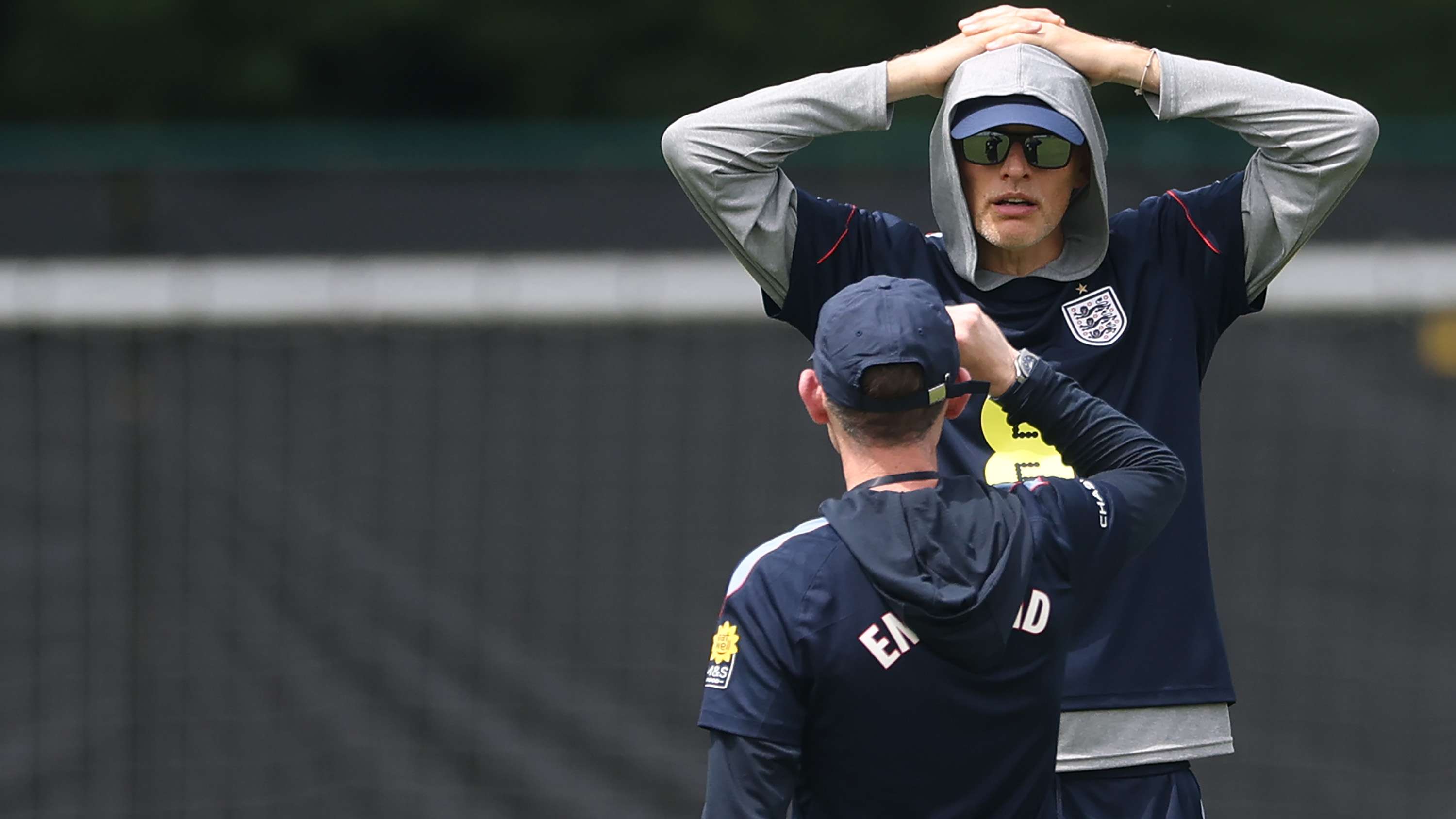

Anthony Barry’s Rising Profile Could Create a New Challenge for Thomas Tuchel
Thomas Tuchel may soon face the prospect of losing one of his most trusted members of staff. Anthony Barry, a key figure in the England coaching setup, is attracting serious interest from several Premier League clubs as teams consider candidates for future managerial vacancies.
Barry recently agreed to a contract extension ahead of the upcoming European Championship, underlining his importance to the national team’s plans. However, a chance to take charge of a top-flight club could prove difficult to ignore. For a coach whose reputation has grown through high-level work with elite teams, the opportunity to become a manager in his own right may represent a significant next step.
Why Premier League Clubs Are Watching Barry
Interest in Barry reflects the way modern clubs assess potential managers. Alongside results and experience, they look for coaches who can communicate a clear football identity, improve players and work effectively within a wider sporting structure. Barry’s background in elite coaching has given him exposure to demanding environments and high expectations—qualities that can appeal to clubs seeking a progressive appointment.
His work alongside Tuchel has also placed him close to the tactical and strategic demands of top-level football. An assistant coach can contribute to training design, opposition analysis, match preparation and in-game planning, while helping translate a manager’s ideas into practical work on the pitch. That experience does not guarantee success as a head coach, but it can provide a strong foundation for a move into management.
For clubs considering their next appointment, Barry may offer an intriguing balance: experience around elite players and coaches, combined with the potential to bring fresh ideas to a team. His profile could be especially appealing to sides looking for a coach capable of building a coherent style rather than simply delivering short-term results.
What Barry’s Contract Extension Means
Barry’s recent extension with England suggests that the national team values continuity as it prepares for a major tournament. International football leaves limited time for training, making a settled coaching staff particularly important. Familiarity between the manager and assistants can help streamline preparation, sharpen tactical plans and ensure players receive consistent messages during short camps.
That commitment, however, does not necessarily rule out a future departure. Contract terms, timing and the nature of any job offer would all matter, as would the interests of the Football Association and the club involved. A Premier League opportunity could prompt discussions about whether Barry’s next professional challenge should come in international football or club management.
The timing could be crucial. Leaving an international role during a tournament cycle would carry obvious sporting and professional considerations. Remaining with England may offer the chance to contribute to a major campaign, while taking a club job could provide daily involvement in player development and the opportunity to shape a team over an entire season.
Tuchel Could Face a Significant Staff Decision
For Tuchel, Barry’s possible departure would be more than a routine change behind the scenes. Trusted assistants often help a manager maintain consistency across training sessions, tactical preparation and communication with players. When working relationships are well established, an assistant can also provide an important sounding board during high-pressure periods.
Should Barry receive a concrete offer, Tuchel and the England setup would need to consider how best to preserve the coaching group’s effectiveness. That might mean promoting another member of staff, recruiting a replacement with complementary expertise, or redistributing responsibilities. The challenge would be to maintain continuity without limiting the departing coach’s career ambitions.
There is also a broader point about the value of strong coaching teams. Modern football is increasingly specialised, with staff contributing expertise in areas such as analysis, set pieces, fitness and individual development. Losing a trusted assistant can therefore affect not only the manager’s working routine but also the way the team prepares and performs.
From International Coaching to Club Management
A move from an international role to a Premier League dugout would bring a major change in pace and responsibility. England’s schedule is built around concentrated periods of preparation and competition. Club management, by contrast, involves constant work across training, recruitment, player welfare and performance, often with matches arriving every few days.
That shift can be demanding, particularly for a first-time head coach. A manager must set standards across an entire squad, handle media scrutiny, work with club executives and respond to changing results. The job also requires a long-term plan: improving the team while balancing immediate expectations with financial and sporting realities.
Still, the potential rewards are considerable. A Premier League appointment would give Barry the authority to establish his own approach and demonstrate whether his coaching experience can translate into leadership of a first team. It would also place him directly in the spotlight, where results would quickly shape public and club opinion.
What to Watch in the Coming Months
For now, reported interest does not mean a move is imminent. Clubs may be assessing several candidates, and Barry’s own priorities remain central to any decision. The England contract extension is a clear sign that he has a role in the national team’s plans, while the possibility of a managerial opening could introduce a new option.
Supporters should watch for developments around Premier League vacancies, the timing of any approach and whether clubs are seeking an immediate appointment or planning for a later transition. The strength of a club’s project would also matter: a clear sporting structure and realistic expectations may be more attractive than a prominent job without long-term backing.
Any football prediction about Barry’s next move remains uncertain. His experience makes him a name worth monitoring, but the decision would depend on the right opportunity, the timing of the offer and his appetite for the demands of top-flight management. Until those factors become clearer, Tuchel can only prepare for the possibility that a valued colleague may soon be ready for a role of his own.
Whatever happens, Barry’s growing reputation highlights how quickly a coach’s career can evolve. A successful spell with England could strengthen his standing, while a Premier League move would offer a direct test of his leadership. For Tuchel, the immediate priority is maintaining a strong coaching team; for Barry, the question may be whether the moment has arrived to step out of the assistant’s role and take charge.