
Türkiye Turn to Sergen Yalçın After Disappointing Run
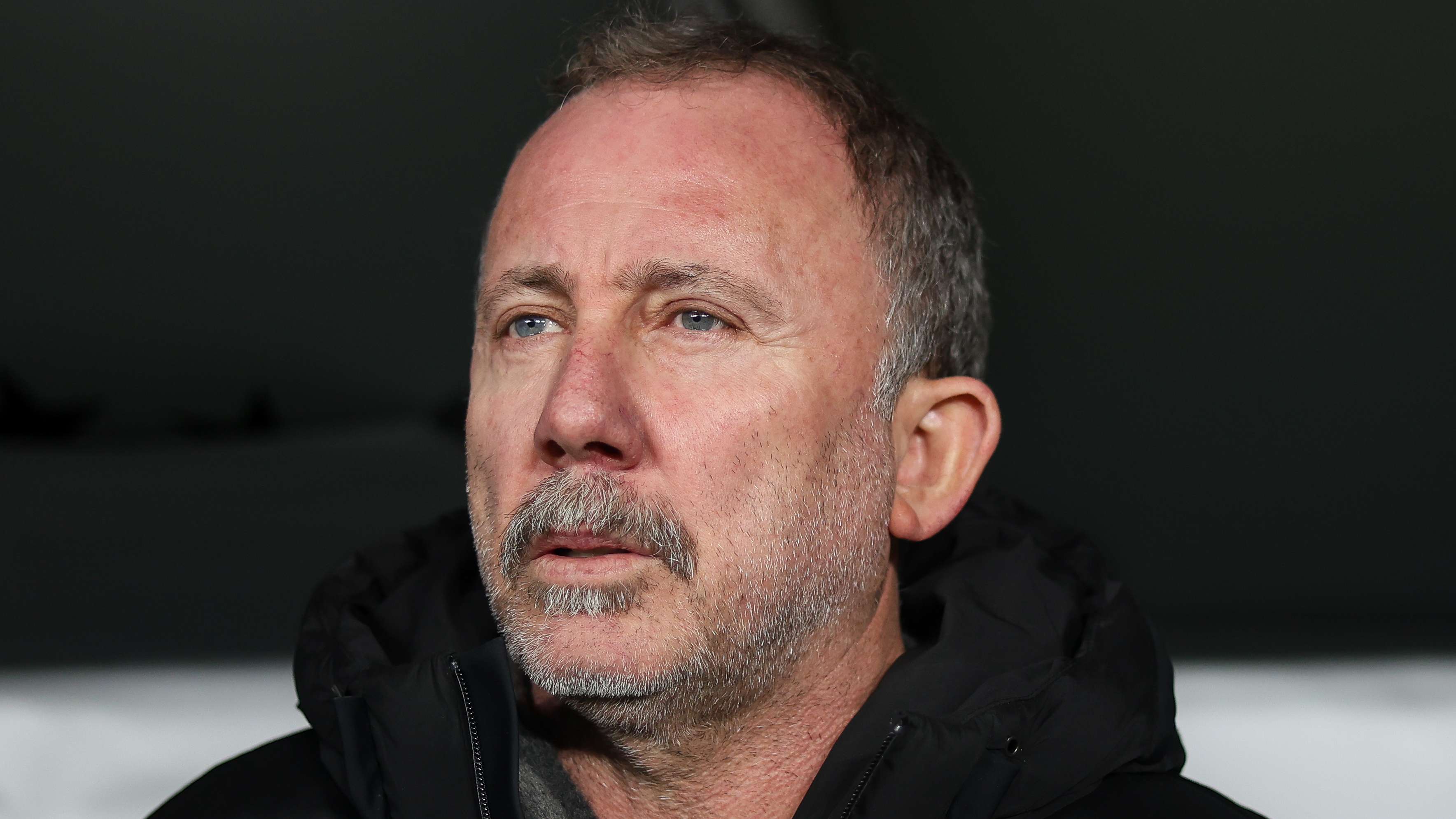
Türkiye have appointed former international midfielder Sergen Yalçın as the new head coach of the national team, making a change at the top as the federation seeks to recover from a damaging spell of results. The decision follows the departure of Vincenzo Montella earlier this month and gives Yalçın the task of restoring confidence, sharpening the team’s performances and building a clearer direction for the future.
The appointment places a familiar figure in charge at a moment when the national side needs stability. Yalçın knows the demands of Turkish football from his playing days and subsequent coaching career, while his international experience gives him an understanding of the expectations surrounding the national shirt. For supporters, the key question is whether that familiarity can translate into improved results on the pitch.
A Change Designed to Reset the National Team
Türkiye’s decision to move on from Montella reflects the pressure created by the team’s recent form. When results fall short, a coaching change can offer a fresh start, but it also brings immediate challenges. A new manager must assess the squad quickly, identify the main weaknesses and establish a plan that players can follow under competitive pressure.
Yalçın arrives with the responsibility of doing more than changing the mood around the team. He will need to make practical decisions about selection, tactical shape and the balance between experienced internationals and younger players. The federation will also want to see signs of progress in the team’s performances, not simply a short-lived lift that fades after the first few matches.
That makes the early stage of his tenure particularly important. Training sessions, squad announcements and the way Türkiye approach their next fixtures will offer the first clues about his priorities. Supporters and analysts will be watching to see whether the team becomes more organised, more decisive in possession and harder to break down.
Who Is Sergen Yalçın?
Yalçın is a prominent name in Turkish football, first recognised for his work as a midfielder and later for his career on the touchline. His playing background gives him insight into the pressures faced by elite footballers, while his coaching experience has exposed him to the demands of managing high-profile teams and navigating intense public scrutiny.
That combination may help him connect with the national squad. International football leaves little time for a coach to build relationships or introduce complex systems. Players often arrive from different clubs, carrying different roles and habits, so a successful national-team manager must communicate clearly and make the most of limited preparation time. Yalçın’s familiarity with the domestic game could help him understand the personalities and expectations involved.
However, reputation alone will not determine whether the appointment succeeds. The national team’s needs may differ from those of a club, where a coach has regular access to the squad and more opportunities to refine tactics. Yalçın must adapt his approach to a schedule shaped by international breaks, with preparation windows that can be brief and results that matter immediately.
What Could Change Under the New Coach?
One of Yalçın’s first priorities is likely to be restoring a sense of structure. A team struggling for form can become hesitant, especially when players are unsure about their responsibilities or how to respond when a match changes direction. Clear roles and a consistent tactical framework can help reduce uncertainty and allow individual talent to emerge.
Türkiye also have to find the right balance between attacking ambition and defensive reliability. The country has produced technically gifted players capable of creating chances, but attacking quality is most effective when supported by disciplined movement and a dependable defensive shape. Yalçın will need to decide how aggressively the team should press, how quickly it should move the ball forward and how much freedom to give its creative players.
Squad selection will be another major talking point. A new coach can use the opportunity to reward strong club form, while also maintaining continuity with players who understand the international environment. Bringing in younger talent could add energy and competition, but too many changes at once may make it harder to establish cohesion. The challenge is to refresh the group without losing its core identity.
Why the Appointment Matters for Turkish Football
The national team carries significance beyond the results of any single fixture. Its performances shape the mood of supporters, influence interest in the sport and provide a shared focus for football fans across the country. A convincing recovery could strengthen belief in the squad and give the federation a more stable platform for its long-term plans.
Yalçın’s appointment may also affect how emerging players view their route into the senior side. If the new coach demonstrates that consistent performances at club level can lead to international opportunities, competition for places may increase. That can be valuable for the wider football system, provided selection decisions are based on clear standards and players are given meaningful roles.
At the same time, the federation will need to give the new manager enough support to implement his ideas. Frequent changes in leadership can make it difficult for a national team to develop a recognisable style. The appointment will be judged not only by the immediate response but also by whether Türkiye can build continuity around a defined footballing plan.
Early Prediction: A Promising Reset, but Results Will Decide
Any prediction about Yalçın’s impact should be cautious. A coaching change can create renewed motivation, and his knowledge of Turkish football may help him settle into the role quickly. Yet the scale of the turnaround will depend on the quality of the team’s performances, the players’ response to his methods and the strength of the opposition in upcoming matches.
The most realistic early measure of progress may be improved organisation rather than an immediate run of dominant victories. If Türkiye show greater discipline, compete more consistently and create chances through a clearer attacking plan, that would suggest the team is moving in the right direction. Results remain essential, but a repeatable style can provide the foundation for sustained success.
For now, Yalçın inherits a national side in need of confidence and direction. His appointment offers Türkiye a chance to reset after a difficult period, but the work begins immediately. The coming fixtures will reveal whether the former midfielder can turn familiarity with the game into a practical advantage—and whether his leadership can help Turkish football regain momentum.