
UEFA’s Compensation Program: Supporting Clubs During International Breaks and Its Impact on Football Predictions
As the international football calendar reaches its crucial phases, clubs across Europe are actively involved in national team duties, often releasing their star players to represent their countries. This collaborative effort between club teams and national squads is vital for the growth and popularity of football worldwide. However, it also raises questions about the financial implications for clubs, especially when their key players are called up for international duty. To address this, UEFA, the governing body of European football, implements a comprehensive compensation scheme designed to support clubs financially during these periods.
UEFA’s Compensation Scheme: How Clubs Benefit
Under UEFA’s **club benefits program**, clubs receive monetary compensation when their players participate in international fixtures, including UEFA competitions and national team matches. This initiative recognizes the significant contribution of club teams to the development and success of national teams, which in turn boosts the sport’s overall popularity and revenue.
For the current international break—often termed the “XXL” international window—UEFA has allocated a substantial €31.5 million to support clubs during this period. This fund is distributed among 611 clubs across Europe, acknowledging the vital role that both big-name and smaller clubs play in nurturing talent and maintaining competitive leagues.
Top Beneficiary: RB Leipzig’s Record Earnings
Among the recipients of UEFA’s financial support, German club RB Leipzig stands out as the biggest earner in this cycle. The Saxony-based club is set to receive approximately €353,000 after releasing 16 players for international duty. This figure underscores the club’s active role in national team competitions and highlights the financial value UEFA places on their contribution. Such compensation helps clubs offset the potential disruptions caused by player absences, ensuring they remain financially viable and competitive.
Distribution of Funds and Future Projections
In total, UEFA has distributed €31.5 million across hundreds of clubs for the current international window. Looking ahead, UEFA’s broader financial commitments include a total allocation of €104 million spread across two upcoming Nations League seasons—2024/25 and 2026/27. Moreover, for the upcoming 2028 European Championship, both qualification matches and the main tournament are included in the compensation framework, with clubs expected to receive a combined pool of €140 million.
In sum, the governing body plans to distribute a total of €244 million across the Nations League seasons and Euro 2028, emphasizing UEFA’s commitment to underpinning club football alongside international competitions. This strategic financial support not only recognizes the importance of club contributions but also encourages a sustainable football ecosystem where clubs of all sizes can thrive.
How Does the Compensation Work?
The current scheme awards clubs approximately €3,845 for every player used in each match, providing a tangible financial incentive for clubs to release players for national team duties. This model ensures that clubs are fairly compensated for their role in developing players who go on to represent their countries at the highest level.
Looking ahead to Euro 2028, UEFA is adopting a **per-player, per-day** compensation model, which promises a more dynamic and equitable distribution based on actual player participation and duration of involvement. This approach reflects UEFA’s recognition of the varying demands placed on clubs depending on player involvement during the tournament and qualification stages.
Why Is This Important for Football Predictions and Club Strategy?
Understanding UEFA’s compensation framework is crucial for football enthusiasts, analysts, and clubs preparing for upcoming seasons. Accurate football predictions often factor in player availability, club stability, and financial health—all elements impacted by international duty and UEFA’s support mechanisms.
For example, clubs that receive significant UEFA compensation might have more resources to invest in youth development, scouting, and transfer strategies. Conversely, knowing which clubs are most impacted by international commitments can help sports bettors and analysts refine their predictions, especially around fixture congestion and player fatigue.
Expert Perspectives: The Broader Impact on European Football
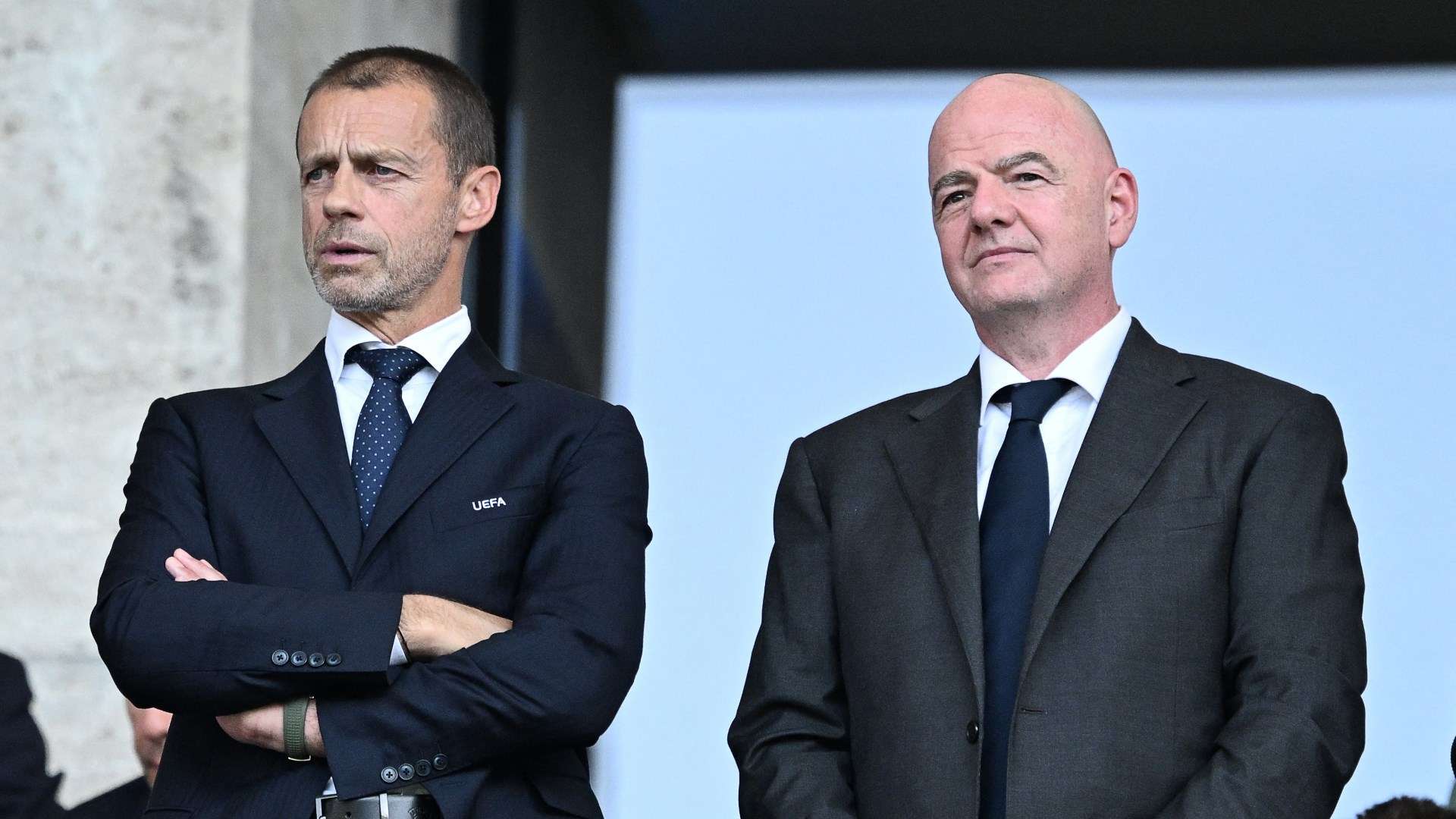
UEFA president Aleksander Ceferin emphasized the importance of this program, stating, “The club benefits programme recognizes the essential contribution that clubs make to the success of national-team football. As part of this initiative, we distribute part of the revenue from UEFA’s flagship tournaments—the UEFA EURO and Nations League—to clubs of all sizes across Europe.”
Nasser Al-Khelaifi, chairman of the European Football Clubs (EFC), highlighted the strategic importance of this partnership, noting, “The club benefits programme is a vital component of the UEFA-EFC collaboration. Its scope and impact are evident: over 600 clubs are benefiting, and it underscores UEFA’s commitment to supporting the backbone of European football—its clubs.”
Conclusion: A Win-Win Situation for Clubs and International Football
UEFA’s commitment to compensating clubs during international breaks is more than just a financial gesture; it’s a recognition of the collaborative effort required to sustain the sport’s global appeal. By ensuring clubs are fairly remunerated for releasing players, UEFA fosters a healthier football ecosystem that benefits players, clubs, and fans alike.
As football predictions become increasingly sophisticated, understanding the financial and logistical support mechanisms like UEFA’s club benefits program can provide valuable insights into team performances, player availability, and overall league stability. Ultimately, this framework helps maintain the delicate balance between club and international football, ensuring the sport continues to grow and inspire future generations.