
Global Football Governance in Turmoil: FIFA and UEFA Clash in Court Amidst Power Struggles
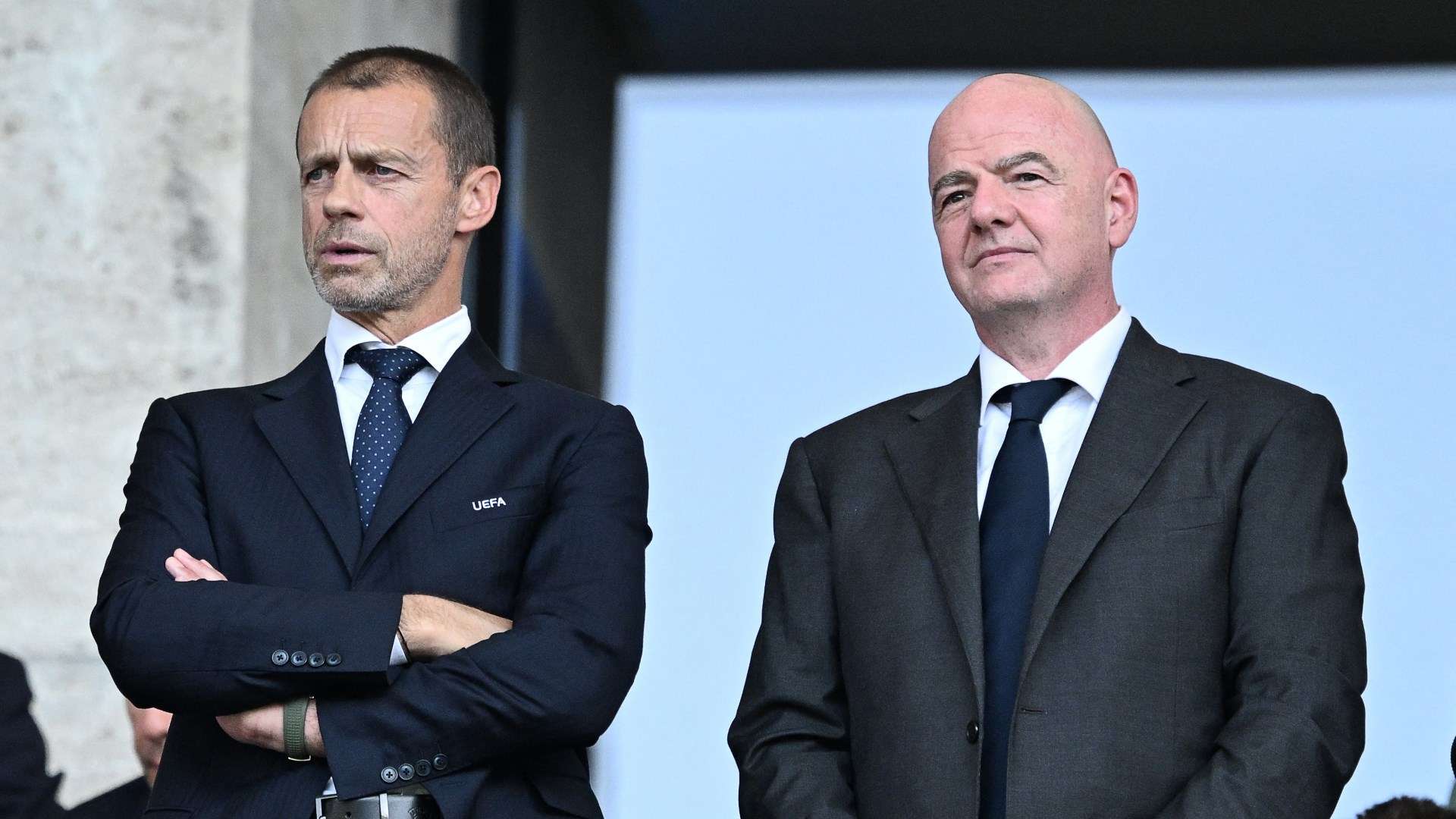
The world of football is witnessing one of its most intense power struggles in recent history, as the longstanding rivalry between FIFA, the global governing body of football, and UEFA, its most influential continental federation, escalates into a geopolitical dispute with far-reaching implications. This high-stakes conflict has recently spilled into a United States federal court, where FIFA has launched a robust and unambiguous attack on UEFA, accusing the European federation of orchestrating a calculated misinformation campaign aimed at destabilizing FIFA’s leadership and influencing upcoming presidential elections.
The Origins of the Conflict: A Battle for Football’s Future
At the heart of this dispute lies a complex web of governance, influence, and control over the world’s most popular sport. FIFA, headquartered in Zurich, Switzerland, has traditionally been the ultimate authority in global football, overseeing international competitions like the FIFA World Cup and setting the standards for the sport worldwide. UEFA, on the other hand, governs European football and is responsible for prestigious tournaments such as the UEFA Champions League and the European Championship.
The rivalry has historically been characterized by disagreements over the distribution of resources, leadership philosophies, and the direction of the sport. However, recent developments suggest a deeper, more strategic power struggle as both organizations vie to shape football’s future in their image. This tension has been exacerbated by recent election campaigns within FIFA, where leadership positions are contested, and influence within the sport’s global hierarchy is fiercely contested.
FIFA’s Accusations: Misinformation and Destabilization Campaign
In a formal legal filing in a U.S. federal court, FIFA has accused UEFA of orchestrating a deliberate campaign of misinformation aimed at undermining FIFA’s credibility and destabilizing its leadership ahead of the upcoming presidential elections scheduled for later this year. FIFA’s legal team alleges that UEFA has been involved in disseminating false narratives, manipulating media outlets, and orchestrating coordinated efforts to influence public opinion against FIFA’s current administration.
“This campaign of misinformation is not only unfair but also threatens the integrity of global football governance,” a FIFA spokesperson stated. “Our aim is to ensure that the upcoming elections are conducted transparently and free from external interference.”
The allegations also point to specific instances where UEFA-linked entities have reportedly circulated false information regarding FIFA’s financial management, governance practices, and plans for future development. FIFA claims that these actions are part of a broader strategy to weaken its authority and elevate UEFA’s influence within the sport’s global hierarchy.
The Broader Implications for Football’s Future
This legal confrontation is more than just a power struggle; it raises critical questions about the future direction of international football. The dispute comes at a time when the sport is navigating significant challenges, including expanding global audiences, addressing issues of governance and corruption, and responding to the evolving landscape of sports entertainment and broadcasting rights.
For football fans worldwide, the outcome of this clash could have profound implications. The winner could shape policies related to the expansion of tournaments, the commercialization of the sport, and the governance structures that ensure fair play and transparency. Predictions suggest that if FIFA maintains its current trajectory, it will seek to reinforce its authority and promote reforms aimed at increasing transparency and accountability in global football governance.
Expert Insights and Predictions on the Football Power Struggle
Football analysts and industry insiders have been closely monitoring the unfolding legal battle, offering diverse predictions about its potential impact on the sport’s landscape. Some experts believe that FIFA’s aggressive stance signals a determination to assert its global dominance and push back against European-centric influence in football governance.
“This is a pivotal moment for football,” says John Carter, a renowned sports political analyst. “The outcome of this legal dispute could redefine who holds the true power in international football. It also raises the question of how governance reforms will be implemented in the future.”
Others suggest that UEFA, with its strong European base and extensive influence over club competitions, will continue to leverage its regional dominance to sway the narrative in its favor. The prediction is that the conflict might lead to a realignment within the sport, with regional federations and national associations choosing sides based on their interests and strategic alignments.
The Role of Predictions in Football: How Analysts Foresee the Future
Football predictions have always played a pivotal role in shaping expectations, whether regarding match outcomes or the broader geopolitical landscape of the sport. In this case, predictions extend beyond match results and delve into the future of football governance itself. Analysts are examining factors such as potential reforms, the influence of external legal pressures, and the balance of power between FIFA and UEFA.
Some experts foresee a possible compromise or a reform-driven resolution that could involve increased transparency, shared governance, or new leadership structures. Others warn of a prolonged legal battle that might incite further destabilization, ultimately affecting the quality and integrity of the sport at the global level.
What This Means for Football Fans Worldwide
For millions of football fans, the ongoing dispute might seem distant from the pitch, but its consequences are deeply felt. The direction that FIFA and UEFA take could influence everything from the scheduling of international tournaments to the commercialization strategies that fund grassroots development, youth programs, and community initiatives around the world.
Moreover, the controversy highlights the importance of transparent governance and ethical leadership in sports. Fans increasingly demand accountability from their governing bodies, especially as issues of corruption, bribery, and mismanagement have historically marred the sport’s image.
Final Thoughts: Navigating Uncertainty in Football’s Future
As the legal battle continues to unfold in courts and boardrooms, one thing remains clear: the future of football is at a crossroads. The outcome of this high-profile clash will likely influence the sport’s governance model, its global appeal, and its ability to adapt to new challenges in the digital age.
Football prediction models and expert analyses suggest that while the path ahead may be turbulent, the ultimate goal remains unchanged: to preserve the integrity, excitement, and unity of the beautiful game. Fans and stakeholders worldwide await the resolution of this dispute with anticipation, knowing that the decisions made today will shape the sport’s landscape for generations to come.
In conclusion, the ongoing civil war at the summit of global football exemplifies the complex interplay of power, influence, and vision for the sport’s future. As FIFA and UEFA continue their legal and strategic battles, the football community watches closely, hopeful that transparency and fairness will prevail, ensuring that the beautiful game continues to inspire millions around the world.