
Who Are Viking Stavanger’s Two Head Coaches Facing Bayern Munich?
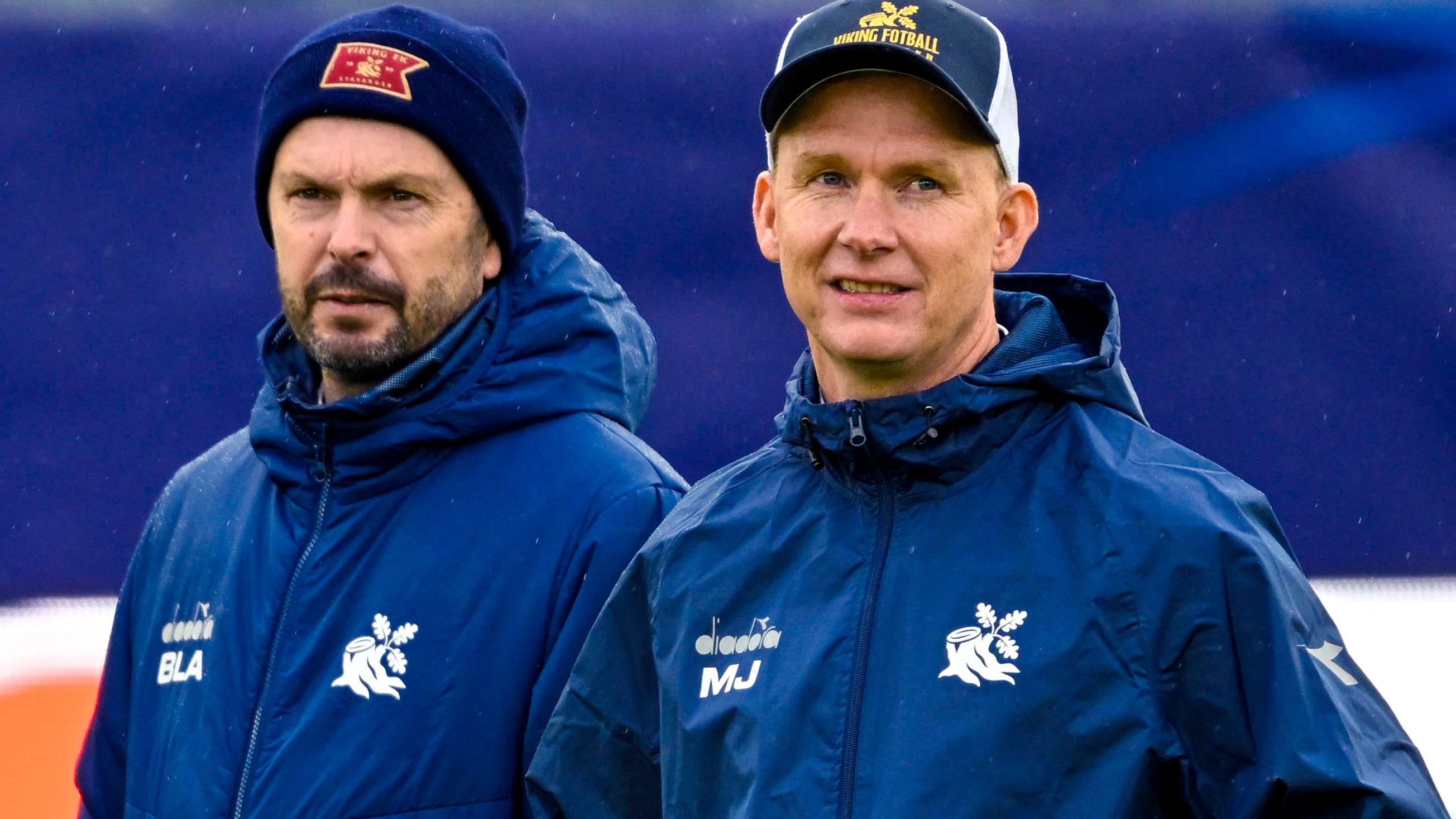
Viking Stavanger’s Champions League meeting with Bayern Munich is a landmark occasion for the Norwegian club—and a showcase for one of football’s most unusual coaching arrangements. While Bayern arrive with global stars such as Harry Kane and Michael Olise, Viking will be led by two head coaches: longtime friends Bjarte Lund Aarsheim and Morten Jensen.
Their partnership began years before either man imagined standing on the touchline in Europe’s biggest club competition. Around 2012 or 2013, Aarsheim was working at a bank while Jensen was employed in the oil and gas industry. Both coached local football teams in their spare time, and, during one of their frequent phone conversations, they discussed a shared ambition.
“One day we should coach a team together,” they told each other. That casual idea eventually became reality at Viking, where the pair have guided the club from a period of uncertainty to a Norwegian league title and a place among Europe’s elite.
A Historic Night for Viking and Stavanger
Viking’s home match against Bayern is expected to rank among the biggest occasions in the club’s history. Aarsheim, now 51, knows the club from several perspectives: he played for Viking between 1993 and 2005, later returned as a youth coach, and now shares responsibility for the first team.
The club has enjoyed memorable European nights before. In October 2002, Viking defeated Chelsea 4-2 in the second leg of a UEFA Cup tie, eliminating a side that included John Terry, Frank Lampard and Gianfranco Zola. Former Viking striker Erik Nevland was at the heart of that result, scoring twice and creating another goal. Today, as the club’s sporting director, he has helped shape a new chapter in Viking’s story.
For the current squad and coaching team, facing Bayern offers a different kind of test. The German giants bring deep Champions League experience, considerable attacking quality and the expectation of controlling possession. Viking, meanwhile, can draw energy from their home crowd and the momentum created by their recent rise. Any football prediction for the match must account for that contrast: Bayern’s European pedigree against a Viking side eager to prove it belongs on this stage.
How Viking Took a Chance on Two Coaches
Aarsheim and Jensen became Viking’s joint head coaches at the end of 2020, succeeding Bjarne Berntsen. At the time, the appointment was a bold decision rather than an obvious solution. Viking had reached a point where the club’s leadership believed a significant change was needed to move forward.
“We thought: ‘Let’s just give it a try,’” Nevland has recalled. The club recognised the risk, but believed the two coaches’ complementary experience and established relationship could provide a fresh approach.
Aarsheim had returned to Viking in 2016 to work with young players. Jensen, who did not have a professional playing career, had coached third-tier side FK Vidar before joining Viking as an assistant. Both men had worked together on the club’s staff from 2017, giving them time to develop a shared understanding of training, tactics and player management before taking charge.
The arrangement has required clear communication and trust. Rather than presenting two competing authorities, the coaches have built a working partnership around shared responsibility. Their familiarity helps them debate decisions openly, while their common connection to Viking gives them a strong sense of what the club represents.
From a Difficult Start to the 2025 League Title
Viking’s progress was not immediate. The club finished 11th in Norway’s Eliteserien in 2022, and the early seasons under the new leadership brought lessons as well as setbacks. Jensen has said the first two years taught the pair plenty about what they would not repeat.
One important adjustment was to place even greater emphasis on developing players from the Stavanger region. Viking’s leaders believe local talent can bring both quality and a powerful connection to the club, particularly when young players understand the community they represent.
The strategy reflects a wider trend in Norwegian football. Bodø/Glimt have earned attention for building a competitive team through strong recruitment, player development and a clear club identity. Viking’s approach is not identical, but both clubs demonstrate how Norwegian sides can challenge better-resourced opponents by creating continuity and investing in a distinctive football culture.
Viking’s results improved steadily after 2022. The team finished fourth and then third before winning the Norwegian league title in 2025—the club’s first championship in 34 years. A victory over Dinamo Zagreb in Champions League qualifying later that summer helped secure Viking’s place among Europe’s leading clubs and set up the meeting with Bayern.
A Club Reconnecting With Its City
Viking’s revival has also been visible beyond the league table. The club comes from Stavanger, a southern Norwegian city of around 150,000 people, and plays its home matches on artificial turf. Viking has a proud history, including four consecutive league titles in the 1970s, but its last championship before 2025 came in 1991. The club also experienced relegation to Norway’s second division in 2017 before earning promotion straight back.
For Jensen, one of the clearest signs of progress is the club’s renewed presence in everyday life. He has spoken with particular pride about seeing children wearing Viking shirts at school and around the city. A decade earlier, he recalled, young supporters were more likely to wear the shirts of Manchester United or Liverpool.
That local connection may prove important as Viking take on Bayern. Champions League football can bring international attention, but sustaining success depends on supporters, young players and the wider community feeling invested in the club. Viking’s coaches have helped build a team with a stronger regional identity while delivering results that have made that identity more visible.
What the Two-Coach Model Means for Viking
Viking’s unusual leadership structure has become part of the club’s identity. Nevland says sporting directors from abroad increasingly recognise Viking as “the club with two coaches.” Aarsheim and Jensen are contracted through 2029, although the club has not committed to appointing another coaching partnership if either eventually departs.
For now, Viking see little reason to change a formula that has produced steady improvement, a long-awaited league title and a Champions League opportunity. The Bayern match will be a demanding measure of how far the team has come, but the story behind Viking’s rise is already distinctive: two friends who once coached after work now share the biggest touchline of their careers.
Whether Viking can trouble Bayern will depend on execution, discipline and the ability to make the most of their home advantage. But the result will not be the only measure of the occasion. For Stavanger, it is a celebration of a club rebuilt around local ambition—and of a coaching partnership that began with a simple conversation about working together one day.