
Andy Carroll Speaks Out About Sexual Assault and Its Lasting Impact
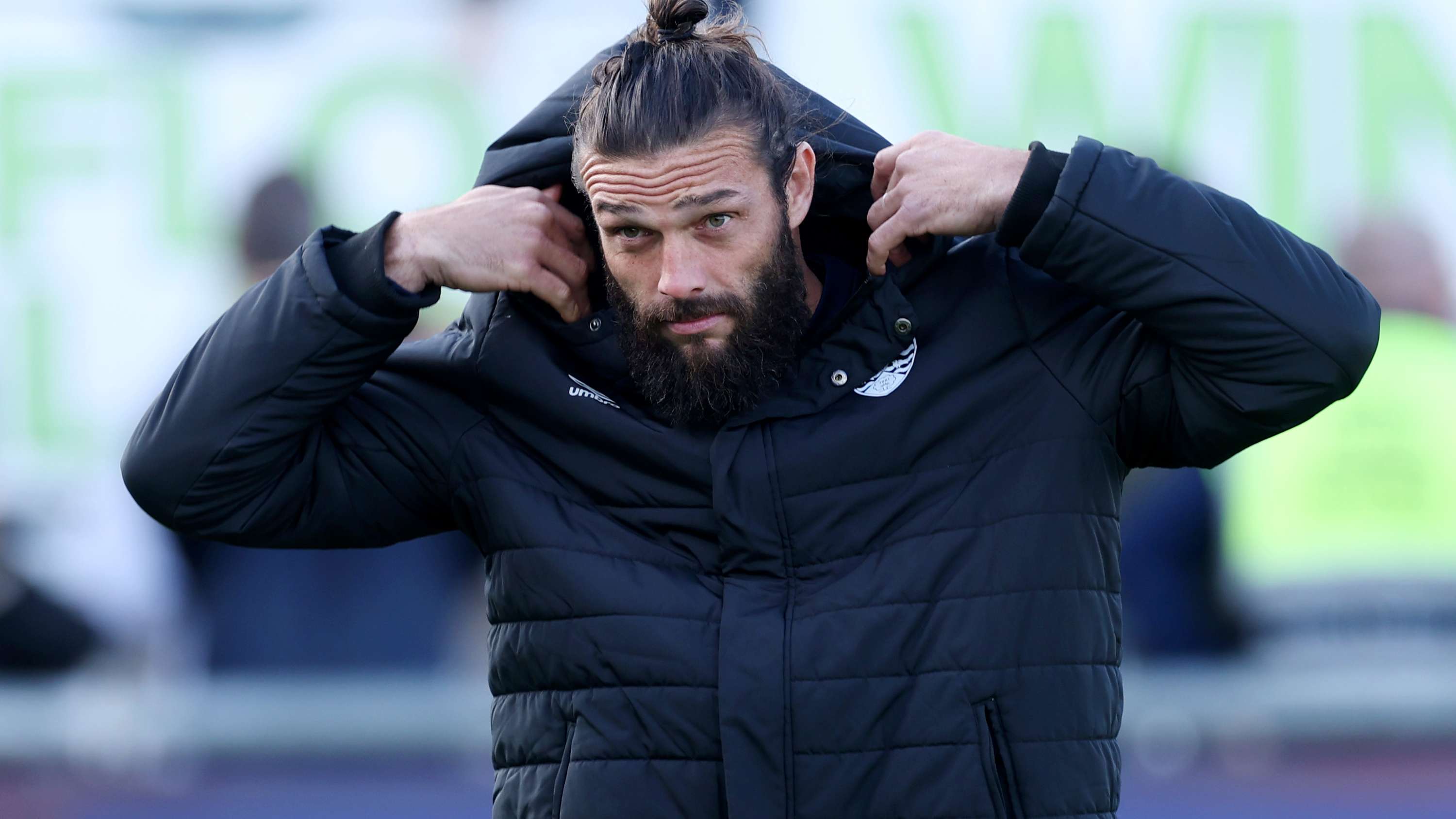
Former Liverpool and Newcastle United striker Andy Carroll has spoken candidly about a sexual assault he experienced years ago, explaining that the trauma continues to affect him despite the support he has received. His account has renewed attention on the experiences footballers can face away from the pitch—and on the importance of making space for survivors to speak without shame or pressure.
Carroll discussed the assault during an interview on Football Uncensored with broadcaster Piers Morgan. The 37-year-old described the long period of uncertainty that followed the incident, including the anxiety he felt while waiting for the identity of his attacker to become known. When the name was eventually revealed, he said, the moment brought intense panic and a desire to withdraw from other people.
Although the disclosure offered some relief, Carroll stressed that learning the truth did not erase what had happened. “There are things you can’t get over, and I’ll never get over that,” he said, reflecting on the lasting effects of the assault.
What Carroll Has Said About the Incident
According to Carroll’s account, the assault took place after a Newcastle United match. He had invited an acquaintance to his home to watch a boxing match. After drinking, Carroll fell asleep and later woke to find the man attempting to sexually assault him. He said he resisted and pushed the attacker away.
Carroll has also described the incident in his book, Owning It, where he recounts confronting the man and defending himself. Sharing such details can be difficult, particularly for someone whose public identity has long been tied to professional football. Carroll’s decision to speak openly offers a rare glimpse into the personal realities that can sit behind a player’s public career.
The man Carroll identified as his attacker was choreographer and dancer Kevin Adams. Adams was convicted at Chelmsford Crown Court and sentenced to 20 months in prison in 2023. He was also placed on the sex offenders register. Reports said Adams attempted to portray himself as the victim, but the judge rejected his account, describing it as fabricated.
The Difficult Moment When the Name Became Public
Carroll said he had spent a long time wondering when the truth would emerge. Yet, when the identity of the man was finally revealed, the experience was not simply one of closure. Instead, he described feeling overwhelmed and isolated, with little desire to talk to anyone.
That reaction highlights an important distinction: public confirmation of an attacker’s identity may bring validation, but it does not automatically resolve trauma. Recovery can be uneven, and a survivor may experience relief, distress, anger or fear at the same time. Carroll’s comments underline why support should continue well beyond a court case or a news cycle.
He said he has since received encouragement from people who understood what he had endured. The support helped him feel less alone and contributed to his decision to speak publicly. Carroll hopes that sharing his experience can help prevent similar stories from remaining hidden in silence.
Messages of Support From Across Football
One of the most striking parts of Carroll’s account was his revelation that well-known footballers had contacted him privately. Some, he said, told him they had experienced similar situations. Their messages suggested that sexual assault and abuse are not issues confined to one profession, even if they are rarely discussed openly in elite sport.
Carroll described receiving hundreds of messages of support. The response from fellow players, along with encouragement from others, helped him recognise that speaking out could have value beyond his own story. In a sport where toughness and resilience are often celebrated, acknowledging vulnerability can be especially challenging. His experience shows that a footballer’s strength is not measured only by performance, but can also include the courage to ask for help and share difficult truths.
His comments also point to the need for trusted, confidential support systems in clubs and across the wider game. Players may have access to coaches, medical staff and welfare teams, but survivors need to know that they can disclose an experience safely and be treated with care. A supportive response should never depend on a player’s status, reputation or position in the team.
Carroll Reflects on His Time at Newcastle
Carroll also looked back on a difficult period during his time at Newcastle United. He said the circumstances he was dealing with privately affected him, and that he did not feel he received the support he needed at the time. His reflections illustrate how personal trauma can influence a player’s wellbeing even when the public sees only match-day performances, transfers and headlines.
He said the situation feels different now. Carroll has spoken of receiving support from teammates, coaching staff and fans, many of whom have made a point of expressing solidarity. That response has helped create a more supportive environment around him, though he has been clear that encouragement cannot undo the experience itself.
Carroll currently plays for Dagenham and Redbridge in the sixth tier of English football. His career has taken him through some of the game’s most visible stages, including spells with Liverpool and Newcastle, but his recent comments shift attention away from statistics and transfer stories. They focus instead on the human being behind the footballer and the lasting consequences of violence.
Why His Story Matters Beyond the Pitch
Carroll’s account is a reminder that survivors can be men, public figures and professional athletes—and that none of those identities makes the effects of assault less serious. Speaking out may help others feel able to seek support, but no survivor should be expected to share their story publicly in order for it to be believed or taken seriously.
For football fans looking for the next match prediction or team news, stories about players’ lives away from the pitch can seem separate from the sport. In reality, wellbeing is part of the football conversation. Clubs, supporters and governing bodies all have a role in creating an environment where players can access help and where sensitive disclosures are handled with respect.
Carroll’s words do not offer a simple story of recovery or a neat conclusion. Instead, they describe a difficult experience that still follows him, alongside the relief of being heard and the value of support from others. By speaking openly, he has brought attention to a subject that is often concealed—and reinforced the message that survivors deserve compassion, privacy and help, whether they are footballers or not.