
Saudi Arabia Ends Coaching Speculation as Georgios Donis Remains on Technical Staff
The Saudi Arabian Football Federation has moved to quiet speculation about a possible change in the national team’s coaching setup, confirming that Greek coach Georgios Donis will remain part of Saudi Arabia’s technical staff. The announcement follows several days of reports suggesting that the federation had discussed potential appointments with a number of high-profile coaches.
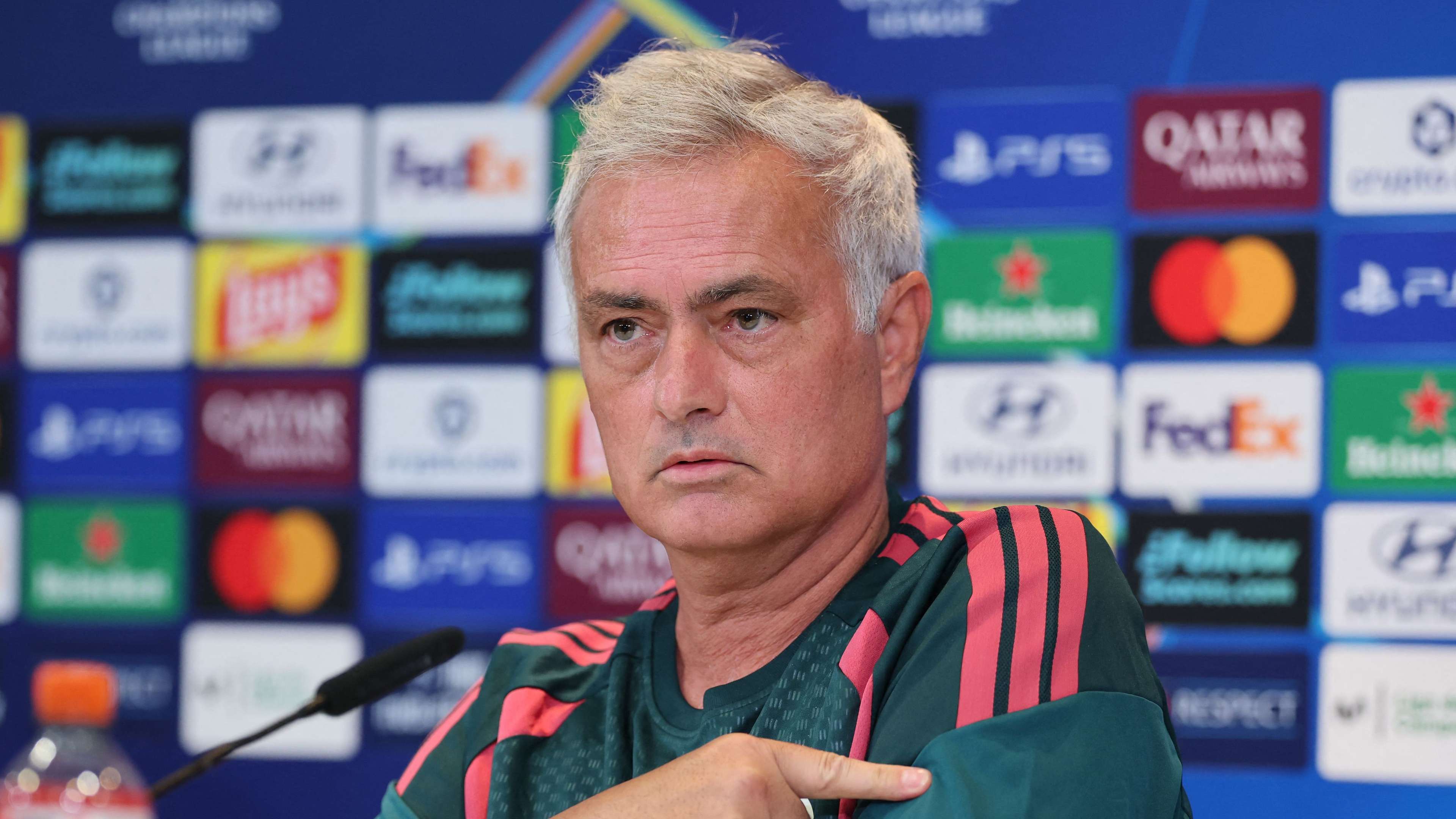
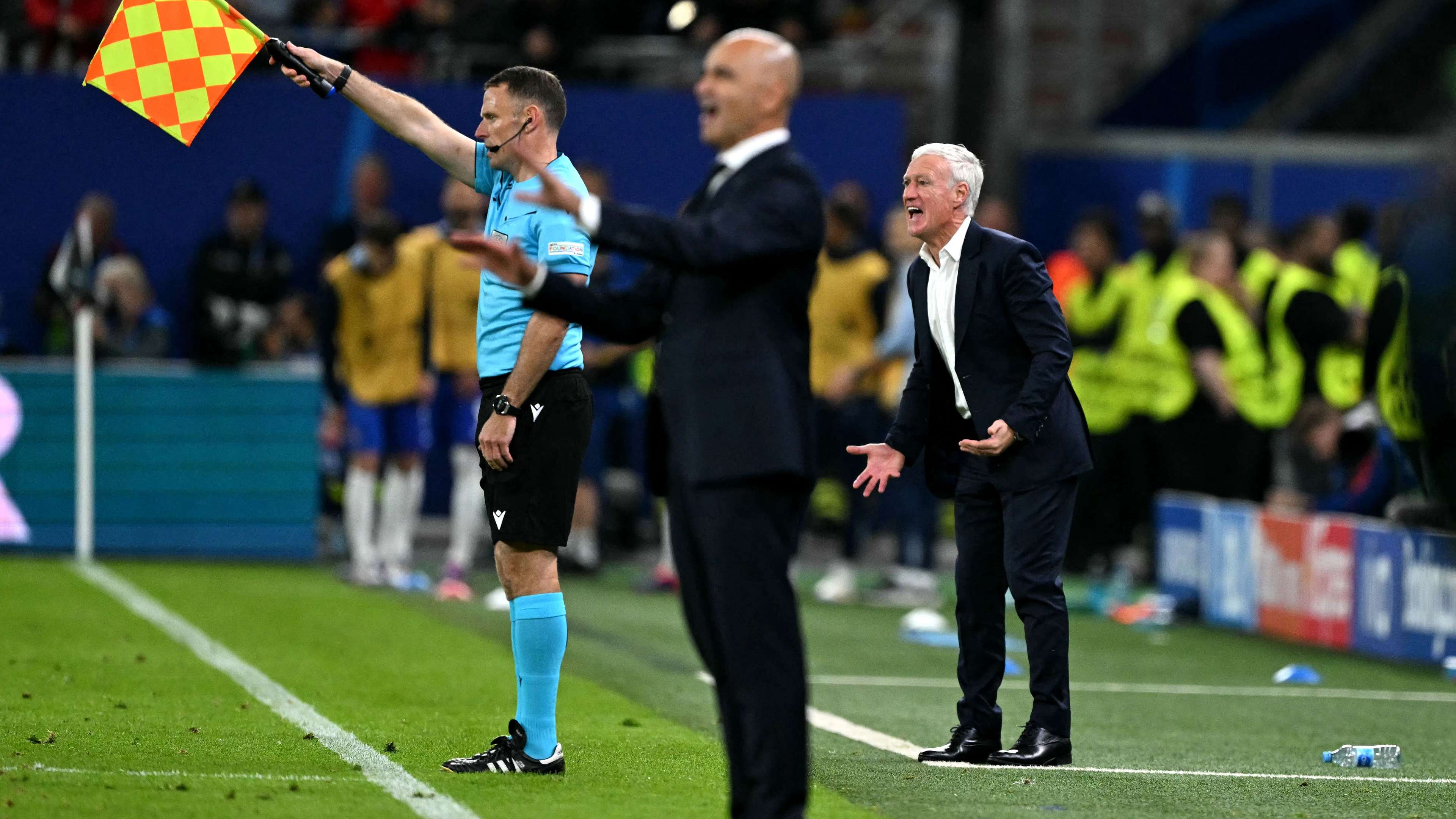
Among the names reportedly linked with the role were France’s Didier Deschamps and Spain’s Roberto Martínez. However, according to Saudi media reports, the proposals were not taken forward. Instead, the federation chose to give Donis an opportunity to demonstrate what he could deliver, while a period of administrative transition also delayed decisions on several football matters.
Gulf Cup success strengthens Donis’s position
Donis’s position has gained support from Saudi Arabia’s recent success at the Gulf Cup. The national team defeated the United Arab Emirates 2–0 in the final, securing the tournament title for the fourth time in the country’s history. The result gave the coaching staff a significant achievement to build on and offered a timely response to questions about the team’s direction.
Winning a regional tournament does not automatically settle every question surrounding a national team. Saudi Arabia will still need to show consistency against a wider range of opponents and maintain progress across future competitions. Even so, a trophy can provide more than a moment of celebration: it can strengthen confidence, improve cohesion and give coaches valuable evidence about which players and tactical approaches are working.
For Donis, the Gulf Cup campaign also created a practical case for continuity. A coach who has helped a team deliver a title has earned the chance to be assessed on a longer stretch of work, particularly when the federation has not yet made a formal decision to appoint someone else.
Why reported approaches did not lead to a coaching change
Reports carried by Saudi broadcaster Al Arabiya said the federation had received suggestions involving several coaches after the World Cup, including Deschamps and Martínez. The names attracted attention because both have extensive experience at the highest levels of international football. Deschamps led France to the 2018 World Cup title, while Martínez has managed national teams and clubs in major competitions.
However, the reports indicated that the proposals were left undiscussed for two main reasons. First, Saudi officials wanted Donis to have a fair opportunity to lead the side at the Gulf Cup before evaluating whether a change was necessary. That approach allowed the team’s performance in a competitive setting to inform the decision, rather than making an appointment based solely on reputation or speculation.
The second factor was a transition within the federation’s leadership. The changeover between the administrations associated with Al-Mishal and Al-Rzaizaa reportedly put a number of files on hold. When leadership structures are shifting, major decisions can take longer as new officials review priorities, responsibilities and long-term plans. Coaching appointments, which can shape a national team’s strategy for several years, are especially likely to receive careful consideration.
Continuity gives Saudi Arabia room to plan
Keeping Donis involved offers Saudi Arabia continuity at a time when the federation is managing both sporting ambitions and organizational change. A stable technical staff can help players understand their roles, preserve working relationships and build on lessons learned during recent matches. It also gives the federation more time to assess the squad before deciding whether a broader coaching change would improve results.
Continuity, however, is not the same as a guarantee of long-term security. The federation will need to judge the staff on measurable progress, including the team’s performances against strong opposition, its defensive organization, its ability to create chances and the development of younger players. Results matter, but so does whether the team is establishing a clear identity that can be sustained from one tournament to the next.
Saudi Arabia’s recent Gulf Cup victory gives Donis a positive starting point, but the next phase will bring a different test. Regional success can lift expectations, while stronger opponents may expose areas that still need work. The coaching staff will be expected to turn the momentum from the final into consistent performances rather than treating the trophy as an endpoint.
What the decision means for fans and future predictions
For supporters following Saudi football, the federation’s statement provides clarity after several days of uncertainty. At this stage, there is no confirmed appointment of Deschamps, Martínez or another external candidate. Donis remains part of the technical setup, and the team’s recent title gives the current arrangement a credible foundation.
Any football prediction about Saudi Arabia’s next campaign should therefore account for both the positive momentum and the questions that remain. The Gulf Cup win suggests the squad can perform under pressure and finish a tournament successfully. Yet future expectations should also consider the quality of upcoming opponents, player availability and whether the coaching staff can maintain the same level of organization over a longer run of matches.
The decision to retain Donis for now appears less like a final verdict on Saudi Arabia’s long-term coaching future and more like a measured choice to continue evaluating the current project. By allowing the team to build on its Gulf Cup success, the federation can make its next decision with more evidence and less reliance on names circulating in the media.
For Donis, the challenge is clear: use the title as a platform, keep the squad focused and demonstrate that Saudi Arabia can sustain its progress beyond one tournament. For the federation, the priority will be to balance patience with ambition. The coming matches will offer the strongest indication of whether continuity can deliver the next step in the national team’s development.