
Norwegian Football Shield Erling Haaland Amid Manchester City Financial Scandal
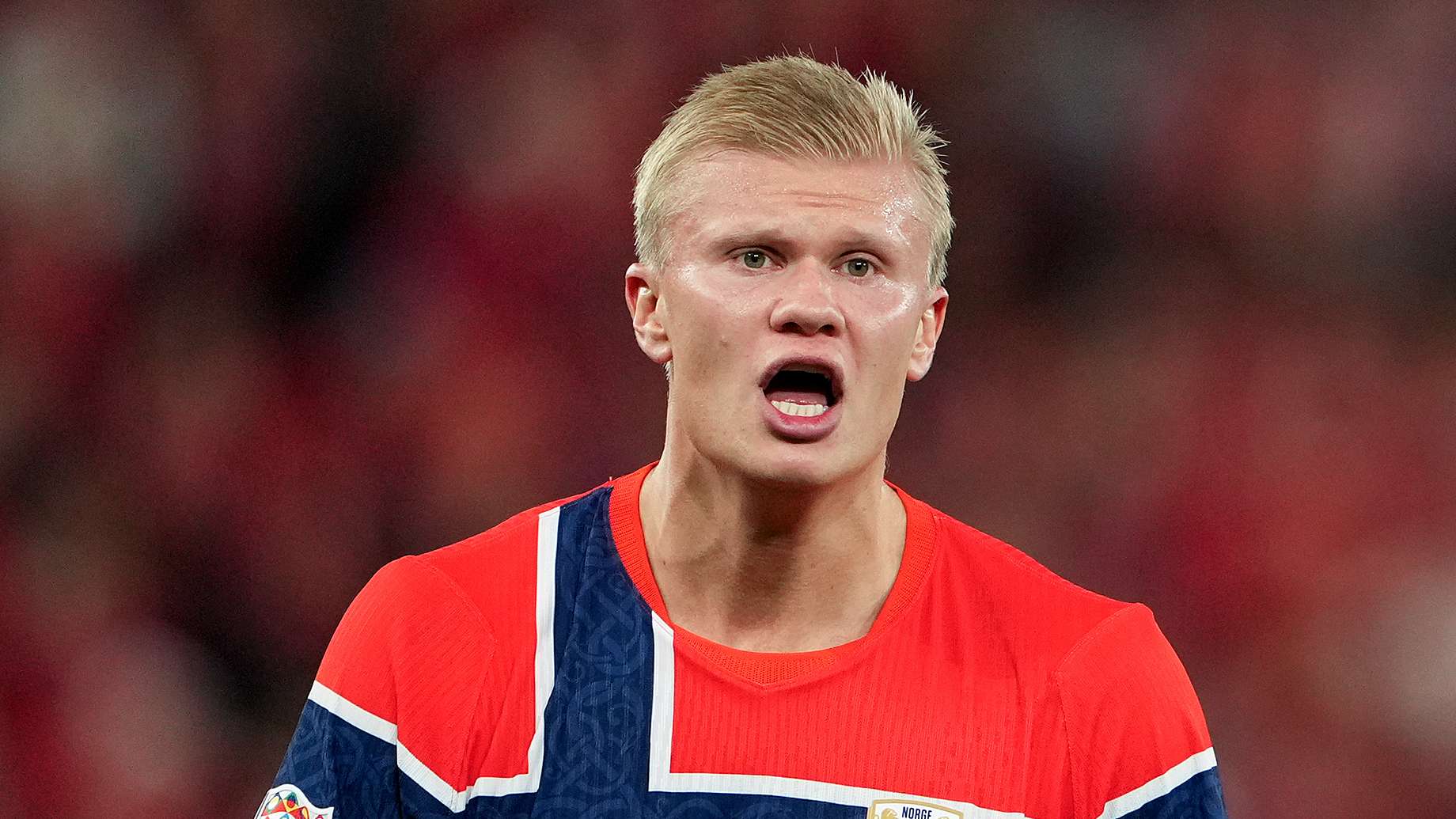
In a dramatic turn of events that underscores the far-reaching impact of the recent financial scandal engulfing Manchester City, the Norwegian national football team has taken extraordinary measures to protect their star striker, Erling Haaland. Just hours after reports emerged about the club’s alleged violations, the Norwegian Football Federation (NFF) opted to shield Haaland from intense media scrutiny, highlighting the delicate balance between national team obligations and the ongoing fallout from one of the biggest scandals in English football history.
The Scandal Unfolds: Manchester City’s Alleged Breaches of Financial Fair Play
On Friday afternoon, The Athletic published a bombshell report revealing that an independent commission had found Manchester City guilty of 114 charges out of 115 related to systematic breaches of Financial Fair Play (FFP) regulations between 2009 and 2018. This revelation sent shockwaves through the football world, raising serious questions about the integrity of one of the Premier League’s most successful clubs.
TV2 sports commentator Mina Finstad Berg described the potential consequences as seismic, stating, “It would be like an earthquake if it is true that they were found guilty on all charges except one.” The allegations suggest a pattern of financial misconduct designed to circumvent UEFA’s rules on club spending and revenue transparency—practices that could threaten Manchester City’s future participation in European competitions and tarnish their reputation.
Norway’s Response: Protecting Erling Haaland from Media Storm
The Norwegian Football Federation, fully aware of the storm brewing around Manchester City and its implications for their star player, has been swift in its response. Erling Haaland, widely regarded as one of the brightest talents in world football, has become an unintended casualty of the scandal. To prevent him from being overwhelmed by awkward questions about his club’s alleged misconduct, the federation has taken precautionary measures to shield him from the media spotlight.
Initially, the federation confirmed that Haaland would participate in a joint press conference with national team coach Ståle Solbakken scheduled for Saturday. However, by Friday evening, this plan was abruptly altered. The official communication was revised, stating that “we are making adjustments to the press conference scheduled for tomorrow.” The updated plan excluded Haaland entirely, replacing him with teammates Sander Ørsnes and Alexander Sørloth. The clear message was that the federation aims to keep Haaland away from the media until the situation becomes clearer and more manageable for the star striker.
The Decision to Shield Haaland: A Strategic Move
Why did the Norwegian federation make this sudden change? The answer lies in the fragile situation surrounding Manchester City’s ongoing appeal against the findings. Manchester City has announced that they will challenge the ruling, and proceedings are still in progress. Given this uncertainty, the federation is understandably cautious about exposing Haaland to questions he cannot definitively answer—especially as the scandal continues to develop.
This move also highlights the broader implications for football prediction and analysis. In recent years, football enthusiasts, bettors, and pundits have been scrutinizing the impact of off-field issues on team performance and match outcomes. The Haaland situation adds a new layer of complexity to football prediction models, which now must account for external factors such as legal disputes and club controversies that can influence player morale and team dynamics.
Potential Impact on Norway’s International Campaigns and Player Morale
Haaland’s absence from the press conference raises questions about how this situation might affect his focus on upcoming international fixtures. Norway is scheduled to face Portugal in the UEFA Nations League, a match that could influence their chances of progressing in the tournament and impact their overall football prediction outlook. Such high-profile fixtures often serve as indicators of team form and individual performance, making Haaland’s mental state and media exposure critical factors for analysts and fans alike.
Furthermore, the incident underscores the importance of safeguarding players’ mental health amid external pressures. Football prediction enthusiasts often consider player stability and club environment as significant variables in their models. Haaland’s current scenario exemplifies how off-field controversies can ripple into on-field performance, emphasizing the need for comprehensive analytical approaches that incorporate both sporting and non-sporting factors.
The Broader Context: Football’s Evolving Landscape of Legal and Ethical Challenges
Manchester City’s legal battle is set against a backdrop of increased scrutiny over financial regulations in football. The sport has been under pressure to enhance transparency and ensure a level playing field, especially as clubs seek to maximize commercial revenue and attract global investments. The potential ramifications of this scandal extend beyond Manchester City, serving as a cautionary tale for clubs worldwide about the importance of compliance with financial fair play rules.
For fans and prediction analysts, this controversy adds a layer of unpredictability to future fixtures involving City and their players. It also raises broader questions about the stability of club management and the ethical standards within football governance. As the legal proceedings unfold, stakeholders—including fans, betting companies, and pundits—will need to stay vigilant, adjusting their football predictions to reflect the evolving landscape.
Looking Ahead: What This Means for Football Prediction and Fan Engagement
The unfolding Manchester City scandal and its impact on Erling Haaland are more than just headlines—they are a reminder of how external factors can influence football outcomes and prediction models. As the sport becomes increasingly intertwined with legal, financial, and ethical considerations, accurate football prediction demands a multidimensional approach that considers not only team form and tactical analysis but also off-field developments.
For fans and analysts alike, the key takeaway is the importance of staying informed and adaptable. The Haaland situation demonstrates that player availability and mental state are critical variables in forecasting match results. Moreover, the incident underscores the need for a nuanced understanding of football as a sport deeply embedded in complex social and regulatory frameworks.
Conclusion: Navigating Uncertainty in Modern Football
The Norwegian Football Federation’s proactive steps to shield Erling Haaland from media scrutiny amidst the Manchester City financial scandal highlight the fragile intersection of sport, reputation, and legality. As the legal process continues and the truth behind the allegations unfolds, the football community must stay alert to how such controversies influence player performance, team dynamics, and match predictions.
In the end, this incident serves as a compelling case study for football prediction experts, fans, and stakeholders alike—illustrating that in modern football, external factors are just as pivotal as tactical prowess on the pitch. As the sport evolves, so too must the tools and strategies used to forecast its future, ensuring they are as comprehensive and adaptable as the game itself.