
The Kylian Mbappé-China Controversy: When Football, Outrage and Business Collide
A joke about a footballer’s own face has become an international controversy, exposing how quickly online outrage can turn into commercial and political pressure. The dispute involving Kylian Mbappé, Real Madrid and La Liga is not simply a story about a meme. It raises difficult questions about free expression, the influence of authoritarian governments and the risks sports organisations take when they rely on powerful overseas partners.
It should also prompt clubs such as Bayern Munich to think carefully about the consequences of sponsorship deals. In modern football, partnerships may bring valuable revenue, but they can also create expectations about what clubs say, publish and apologise for.
How a casual question became a diplomatic flashpoint
The episode began in March 2026, before a podcast recording, when Mbappé was asked which internet meme featuring him made him laugh the most. The question was light-hearted. For years, the France international has been a regular subject of online jokes, with fans turning his expressions, celebrations and on-field mannerisms into viral images and videos.
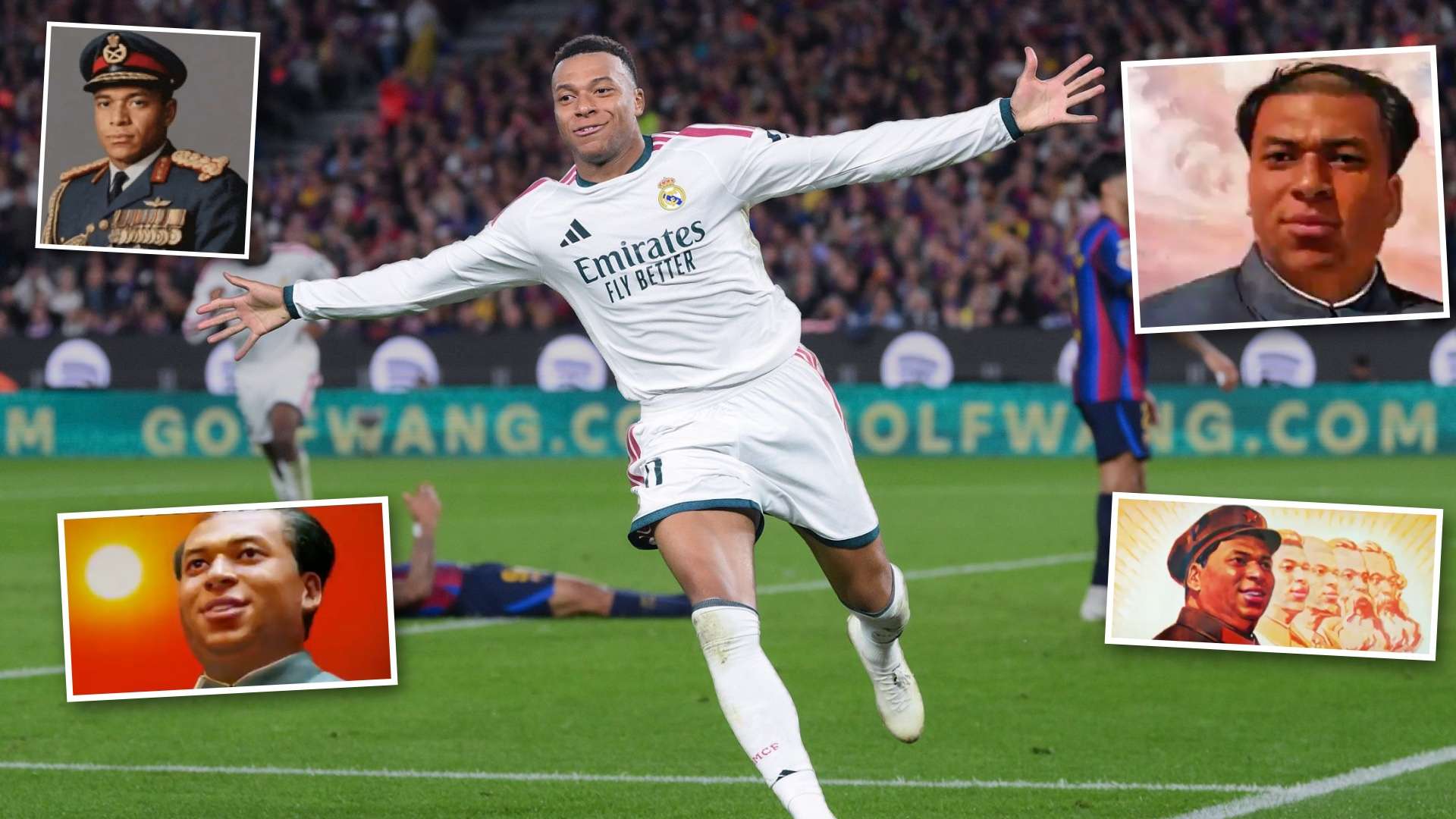
Some memes compare him to Donatello from the Teenage Mutant Ninja Turtles. Others use his arms-crossed celebration to represent the satisfaction of completing an everyday task. There are also jokes about his laugh and his intense expression during matches. Mbappé has generally appeared comfortable with the humour and has sometimes joined in himself.
Among the memes he mentioned was a video that placed his face on the body of a Chinese political leader. Laughing, he said he used it with friends while playing PlayStation. The remark was about a meme at his own expense—not a prepared political statement or an attack on Chinese people.
Months later, however, the comment triggered a backlash in China. The controversy escalated into a business problem for the player and a serious concern for Spanish football. Mbappé and Real Madrid issued apologies for what were described as “ill-considered remarks”, while La Liga president Javier Tebas publicly criticised the player and sought to reassure Chinese commercial partners.
Why the reaction matters beyond one meme
The central issue is not whether public figures should be thoughtful about their words. They should. Nor is it surprising that companies and sports leagues respond when a major market objects to something said by a high-profile player. The more troubling question is whether the scale of the response matched what actually happened.
Mbappé did not deliver a speech about China’s government. He recalled laughing at an internet joke that used his image. Yet the response reportedly put advertising agreements worth about €6.5 million at risk for the player, while La Liga faced the possibility of losing as much as €400 million in commercial value.
Those figures help explain why clubs and leagues may feel pressure to act quickly. Chinese audiences represent a significant market for international football, and broadcasters, sponsors and digital platforms can all be affected by a dispute. But financial exposure can also make sporting organisations vulnerable: a threat to revenue may encourage them to apologise first and ask questions later.
That is where the affair becomes a lesson in modern outrage culture. In a fast-moving media environment, the original context can disappear. A short clip or translated quotation circulates, a response gathers momentum, and the demand for an apology becomes more important than establishing what was meant. The public argument then shifts from a joke to a test of loyalty, respect and commercial responsibility.
Football’s growing dependence on political markets
International football has always been connected to business and politics. Clubs tour overseas, leagues sell broadcasting rights around the world, and sponsors use the sport to reach vast audiences. These relationships can support investment and help grow the game. They also create a difficult balance between commercial opportunity and institutional independence.
When a club or league accepts money from a government-linked organisation or operates in a market where political expression is tightly controlled, the relationship may eventually involve more than advertising. A partner may expect certain images to be removed, certain topics to be avoided or public statements to be managed in a particular way.
The Mbappé controversy illustrates that risk. If a football organisation apologises without clearly explaining the context, it may unintentionally validate the idea that a harmless personal joke is an insult requiring institutional punishment. It can also leave players wondering whether their words—and even their social-media history—could become a commercial liability.
A warning for Bayern Munich and other clubs
Bayern Munich has faced its own debate over international partnerships. The German club’s arrangements with Qatar and, later, Rwanda drew criticism from supporters, and the partnerships eventually ended. The wider lesson is not simply that clubs should avoid overseas sponsors. It is that decision-makers need to understand what fans are objecting to and assess the potential consequences before signing a deal.
Supporters are increasingly attentive to the values attached to a club’s commercial choices. They may ask how a partnership affects human rights, political independence and the club’s reputation. If executives treat those concerns as a temporary public-relations problem, they risk missing the more fundamental question: what obligations might come with the money?
A sound partnership review should consider more than the size of the cheque. Clubs and leagues can examine who ultimately benefits from an agreement, what control a sponsor may exercise over content and communications, and how the organisation would respond if a partner objected to a player’s statement. Clear safeguards can help prevent commercial pressure from turning into pressure on individual athletes.
When commercial caution becomes a form of censorship
Terms such as “cancel culture” are often used loosely in political debate. But the Mbappé affair points to a more concrete concern: a powerful football institution may distance itself from its leading player because a commercially important market is offended. When the response is driven by fear of financial loss rather than a fair assessment of the words, the result can look less like accountability and more like capitulation.
Real Madrid has also faced questions over the removal of a social-media post mourning victims of devastating floods in Nepal and Tibet. The post highlighted human suffering after a natural disaster, but it was later deleted without a full public explanation. The episode has been cited as another example of how even humanitarian content can become politically sensitive when it touches on contested territory or government narratives.
For football clubs, silence may seem like the safest short-term option. Yet repeated deletions and apologies can carry their own cost, damaging trust among players, supporters and the wider public. A club that wants to be seen as more than a commercial brand must be prepared to explain its decisions consistently.
The lasting prediction for football’s global game
The most important prediction from this controversy is that similar disputes will become more common as football expands across global markets. Players are public figures, social media preserves old comments, and sponsors increasingly expect organisations to manage reputational risk. That combination makes even casual remarks capable of triggering serious consequences.
Clubs and leagues cannot eliminate every disagreement, nor should they try to. They can, however, respond with context, transparency and proportion. Mbappé’s joke may have been awkward, but the larger issue is what happens when commercial interests determine which jokes, images or statements are acceptable.
For Bayern Munich, Real Madrid and the rest of football, the lesson is clear: international partnerships bring opportunity, but they also require boundaries. If organisations fail to set those boundaries in advance, the next controversy may not be about a meme. It may be about whether football can still speak freely when powerful partners demand silence.