
Real Madrid’s Tactical Blueprint Exposes Barcelona in a Tense Clasico
Real Madrid claimed a significant Clasico victory at Camp Nou, defeating Barcelona through disciplined defending, sharper individual duels and a clear plan for exploiting the hosts’ weaknesses. The result brought Madrid to within three points of the league leaders and left Barcelona facing difficult questions after a second consecutive setback during a demanding week.
For Hansi Flick’s side, the match was a frustrating departure from the quick, fluid football that has defined much of their season. Barcelona struggled to build attacks at their usual pace, while anxiety appeared to influence their decisions as the contest wore on. Real Madrid, by contrast, looked prepared to turn that uncertainty into an advantage.
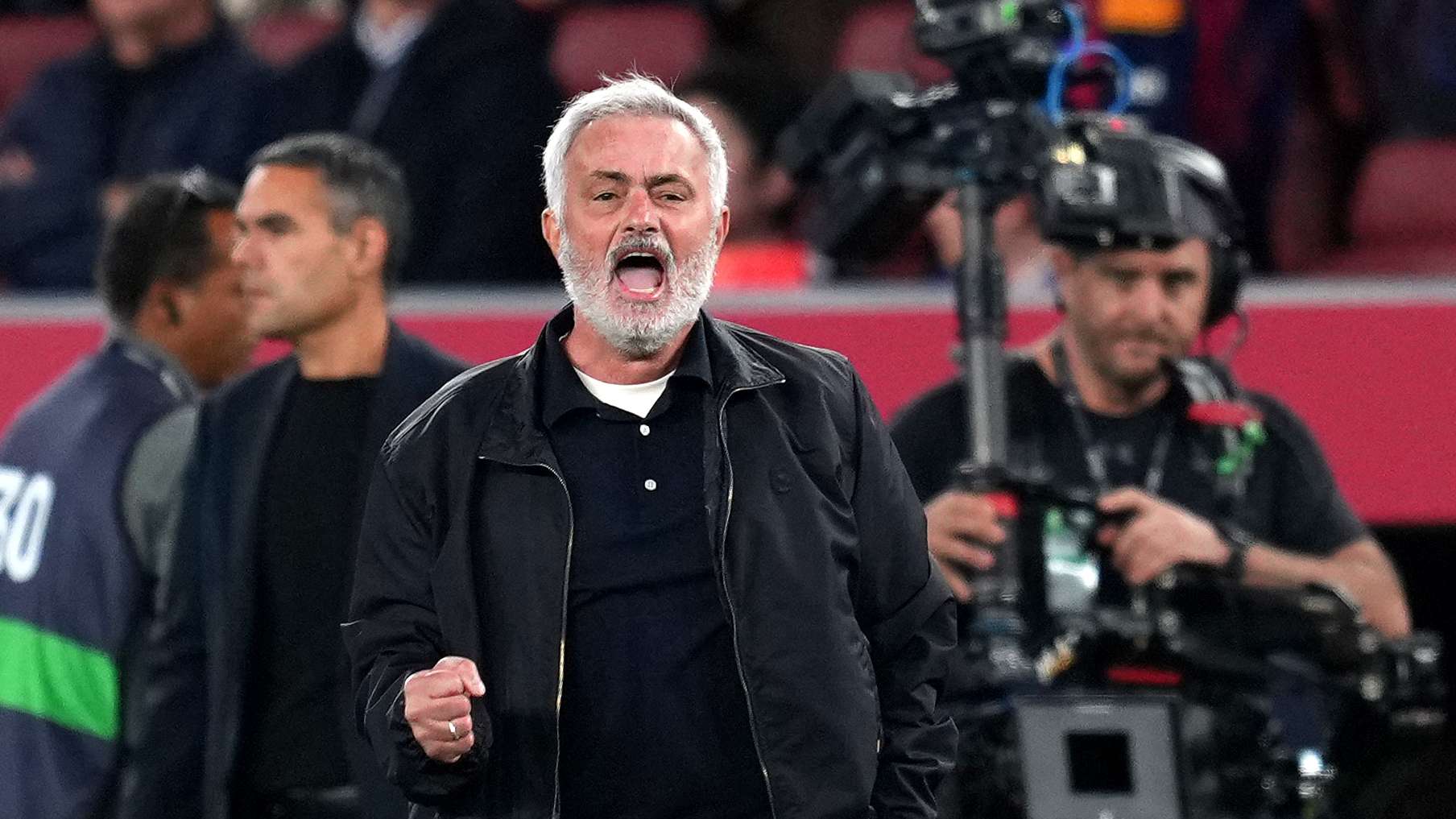
The tactical approach associated with Portuguese coach José Mourinho was central to the outcome. Madrid disrupted Barcelona’s pressing structure, tracked opponents closely and made the most of key moments. The match offered a useful lesson in how a well-organised team can blunt an aggressive style of football—and why a Clasico prediction is never based on attacking talent alone.
Barcelona’s High Press Left Gaps for Madrid to Exploit
Barcelona’s pressing game did not function as intended from the opening stages. According to Spanish newspaper Sport, the home side failed to move forward as a coordinated unit, leaving the player closing down the ball isolated from his teammates.
Lamine Yamal often led the press, but he could not force Real Madrid into hurried decisions without nearby support. That gave Dean Huijsen time and space to carry the ball out from the back. Madrid could then shift possession across the pitch, draw Barcelona’s players towards one side and find a free teammate in a more advanced area.
In football, pressing is most effective when several players move together to close passing lanes as well as the ball carrier. If one forward presses alone, the opposition can often pass around him and attack the space left behind. Madrid repeatedly found that escape route, allowing them to progress without having to rely on risky long balls.
A goal that reflected Madrid’s plan
The opening goal illustrated the value of Madrid’s patient build-up. After Barcelona’s press failed to close down the ball, Bernardo Silva had enough time to send a long pass towards Marc Cucurella, who had advanced into a dangerous position. Cucurella needed only one touch to move the ball on to Diomande, making a forward run from deep.
Diomande drove a low delivery into the penalty area. Gerard Martín could not clear it cleanly, and the ball struck Kylian Mbappé before ending up in the net. The finish involved an element of fortune, but the sequence was built on Madrid’s ability to bypass Barcelona’s press and move the ball into space quickly.
That distinction matters when assessing the result. A deflected or awkward goal can look accidental in isolation, yet the passage leading to it may reveal a deliberate tactical advantage. Madrid had already created the conditions for danger by drawing Barcelona forward and finding the open channel.
Man-Marking Disrupted Barcelona’s Attacking Rhythm
Madrid’s control did not depend on possession alone. Their first-half defending was aggressive and personal, with players following their assigned opponents closely, sometimes deep into Barcelona’s penalty area. Huijsen and Konaté were among those tasked with staying tight to their direct assignments.
The approach carried a risk. Man-marking can leave space elsewhere if a defender is pulled out of position, and it requires concentration and physical effort. But it also reduced Barcelona’s time on the ball and made it harder for the Catalans to create combinations through their usual attacking areas.
The strategy was particularly effective because Barcelona lacked enough runs behind the defensive line. Moving into space without the ball can force markers to make difficult choices: follow the runner and open another area, or hold position and risk allowing a forward to receive in behind. Barcelona did not consistently make those movements, so Madrid’s defenders could stay close without being dragged into damaging gaps.
That left the hosts trying to create through crowded areas, where Madrid could challenge for possession and disrupt the rhythm of their passing. Rather than allowing Barcelona to settle into a familiar pattern, the visitors made each attacking phase feel contested.
Cucurella wins the duel with Yamal
One of the most noticeable individual contests took place on the left flank, where Yamal repeatedly faced Cucurella. The Barcelona winger tried different ways to get past his opponent, but the Madrid full-back closed him down quickly and limited his room to turn towards goal.
When Yamal received the ball, Cucurella’s pressure often forced him to face away from goal or carry possession back towards deeper areas. That reduced the winger’s ability to attack at speed and made it harder for Barcelona to create the one-on-one situations in which he is most dangerous.
Individual battles do not decide every match, but they can shape a team’s wider attacking options. By containing Yamal, Madrid restricted one of Barcelona’s most direct outlets and made the home side work harder to find another route forward.
Physical Strength and Substitutions Made the Difference
Real Madrid also appeared stronger in many of the one-on-one contests. They competed aggressively for loose balls, handled the physical tempo well and were often first to the challenge. Winning those duels helped Madrid recover possession and prevented Barcelona from building sustained pressure.
There is a practical connection between defensive organisation and energy. A team that moves together can cover space more efficiently, win the ball back sooner and avoid spending long periods chasing opponents. That can leave players fresher when possession is regained and the chance to attack arrives. Madrid’s structure helped them maintain their intensity, even as the match entered its closing stages.
Barcelona seemed to gain some momentum late on, while Bernardo Silva’s influence began to fade as fatigue set in. The period from roughly the 70th minute onwards can be decisive in high-level football: spaces open, concentration drops and substitutes may face opponents who are already tiring.
Madrid’s changes proved important. Eduardo Camavinga brought fresh energy and added defensive cover, supporting Aurélien Tchouaméni, who was operating under the pressure of a possible suspension. Camavinga’s contribution was not limited to protecting the back line. He also helped create a decisive attacking moment.
As players began to tire, Camavinga won a sprint against Pau Cubarsí and reached the ball with a well-timed touch, setting up Mbappé with a major opportunity. The move began after substitute Gabriel Jesus lost possession at a critical point. It was a reminder that late-game substitutions can change the balance not only through fresh legs, but through the decisions and mistakes that follow.
What the Clasico Means for Both Teams
Madrid’s victory gives the team a valuable boost and brings the title race closer, with the gap to Barcelona reduced to three points. It also strengthens confidence in a project built around tactical discipline, physical commitment and the ability to adapt to an opponent’s strengths.
For Barcelona, the defeat is a prompt to examine why their football becomes less effective against the strongest opposition. Flick’s side will need to improve the coordination of its press, create more runs beyond the defensive line and find alternative ways to progress when key attackers are tightly marked. Those adjustments could be crucial in future league matches and knockout ties.
The final result also offers a reminder for anyone making a football prediction: reputation and attacking quality are only part of the picture. Pressing structure, defensive matchups, physical readiness and substitutions can all influence a Clasico. Madrid managed those details better on the day, turning Barcelona’s hesitation into control and leaving the hosts with plenty to review before their next test.