
Anger in Lamine Yamal’s Camp After Harry Kane Wins the 2026 Ballon d’Or
The 2026 Ballon d’Or result sparked a wave of disappointment in Lamine Yamal’s family, with the Barcelona teenager finishing third behind winner Harry Kane and runner-up Kylian Mbappé. The reaction became public almost immediately: Yamal’s uncle, Abdul, criticised the decision during a live radio broadcast and suggested Kane’s victory was a “farewell gift.”
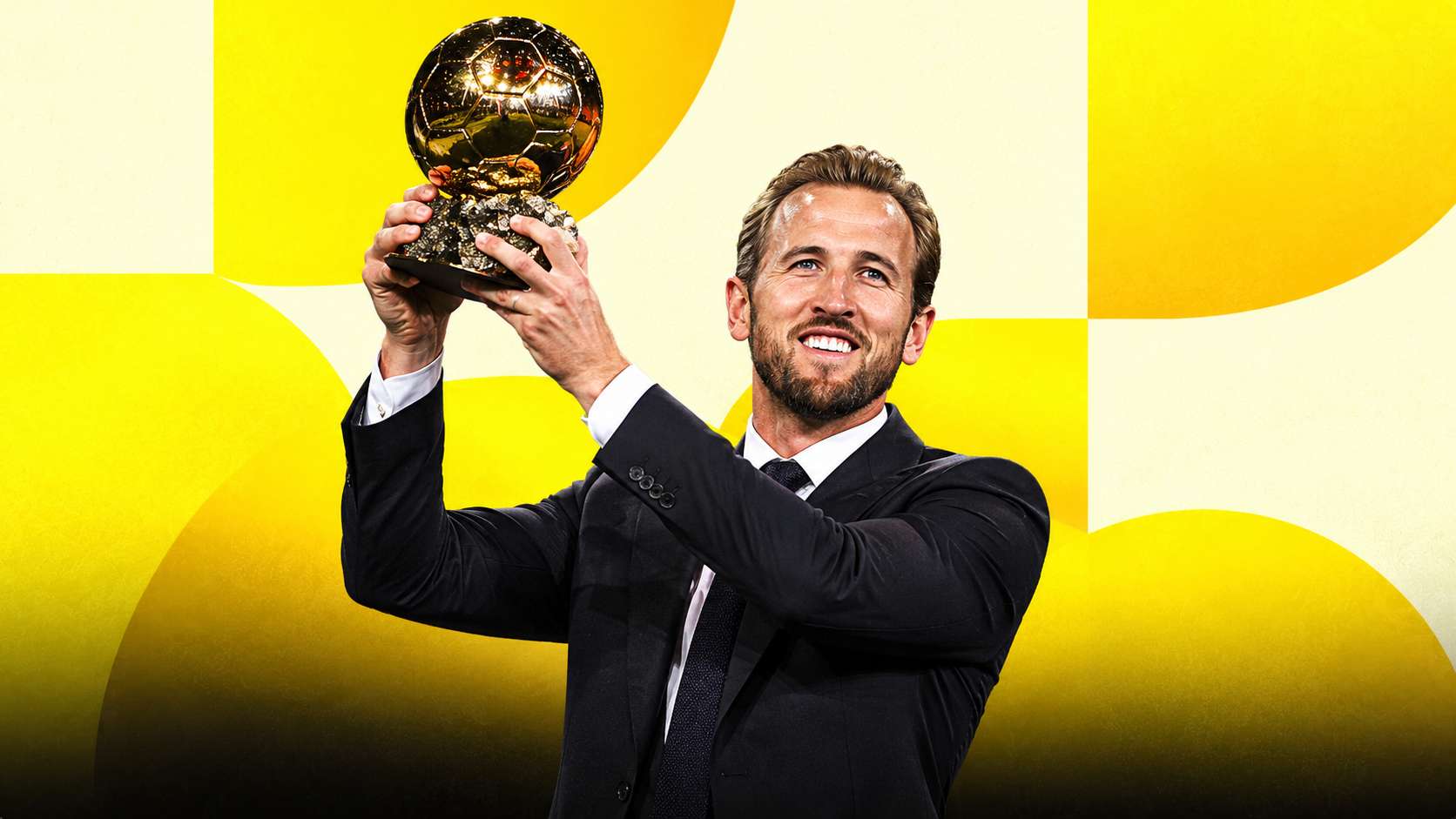
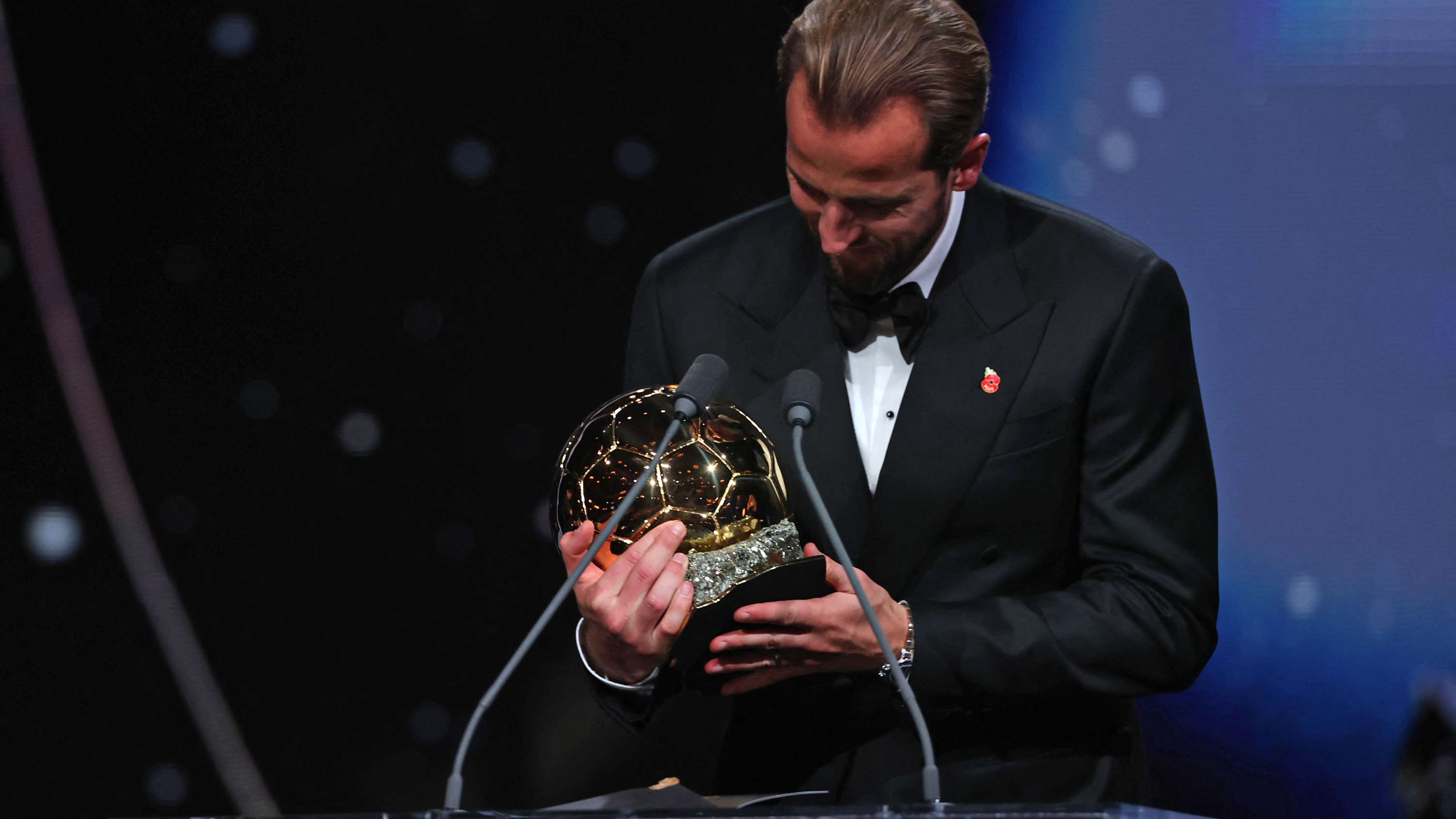
Kane’s award followed a remarkable season. The England captain claimed the European Golden Boot after scoring 36 league goals, while also recording 73 goals across 65 appearances for club and country. He helped his team win the German league and German Cup, and England finished third at the 2026 World Cup. The result also made Kane the first Englishman to win the Ballon d’Or since Michael Owen in 2001.
Those achievements, however, did little to soften the disappointment among Yamal’s supporters. The 19-year-old had already collected the Kopa Trophy as the world’s best young player for a third time, but the senior award went elsewhere. His uncle’s comments captured the frustration of a family that believed Yamal’s influence and individual brilliance deserved greater recognition.
Yamal’s Uncle Delivers a Blunt Verdict
Abdul spoke from a bar during El Larguero, the Cadena SER programme covering the ceremony live from London. Cameras and microphones recorded the mood in the room as the result was announced. Abdul did not hide his disappointment, arguing that his nephew was the outstanding player of the year.
“My nephew was superb. He is the best player in the world, everyone knows that,” Abdul said. “If you are a football fan, you must watch Lamine, not Harry Kane.”
He acknowledged Kane’s ability as a striker but insisted that Yamal offered something different: the capacity to change a match through his creativity, movement and attacking skill. In Abdul’s view, the Barcelona forward was not simply a promising teenager but a player already capable of making the decisive difference at the highest level.
The comments reflect a familiar divide in football’s individual awards. Kane’s case was built on extraordinary scoring numbers, major trophies and consistency across a long campaign. Yamal’s supporters, by contrast, point to his influence on Barcelona’s play, his ability to create chances as well as finish them, and the sense that he can shape a contest even when he is not on the scoresheet.
Why Abdul Called Kane’s Award a “Farewell Gift”
Abdul’s sharpest remark came when he offered his own explanation for the result. He suggested that Yamal’s age worked against him, while Kane was being honoured because his career was closer to its later stages.
“He did not win because Lamine is young, he is 19 years old, and he will win more,” Abdul said. “But Harry has only three days left on the pitch, and we gave him the award.”
The line quickly drew attention online, with the “farewell gift” description becoming one of the most discussed reactions to the ceremony. It was an emotional assessment rather than an official explanation of the voting. Ballon d’Or results are determined by journalists’ ballots, and there is no evidence that Kane’s age influenced the outcome. Still, Abdul’s comment captured a common frustration among fans when a favourite misses out: the suspicion that reputation, narrative or career timing can matter as much as the season’s performances.
That debate is especially intense when the contenders have very different profiles. Kane’s statistics offered a straightforward argument: a prolific striker who delivered goals and silverware. Yamal’s appeal is more expansive. He contributes through dribbling, passing, assists and the ability to draw defenders out of position, creating room for teammates. The award therefore became a contest not only between two players, but between different ways of measuring excellence in modern football.
A Disputed Summary of Yamal’s Season
Abdul described Yamal’s campaign as one that combined goals, assists and exceptional technical quality. He said his nephew had won the World Cup, La Liga and the Super Cup, adding that he scored goals “no one else can score” and contributed across every area of attack.
Such claims should be understood as the uncle’s account of the season, rather than a neutral comparison of the candidates’ records. The Ballon d’Or conversation depends on how voters weigh team success against individual output, and how they compare players competing in different leagues and roles. Kane’s goal tally and domestic trophies gave him a powerful statistical case; Yamal’s supporters emphasised his influence and his ability to perform at an unusually high level for someone so young.
Yamal’s third-place finish also underlines how difficult it is for a teenager to win football’s most prestigious individual honour. The Kopa Trophy recognises his standing among young players, but the senior Ballon d’Or is judged across the entire sport. For Yamal, the result may be a disappointment, yet finishing on the podium at 19 confirms that he is already part of the global conversation.
Echoes of Past Ballon d’Or Debates
Abdul’s reaction recalled earlier award controversies, including the 2010 race, when Spanish World Cup winners Xavi and Andrés Iniesta finished behind Lionel Messi. That result prompted debate about whether a player’s contribution to a national team’s greatest achievement should outweigh individual brilliance across a full season.
These comparisons are never exact. Each Ballon d’Or is shaped by its own performances, voting criteria and footballing context. But they show why the award can provoke such strong emotions: it turns a season of complex, team-based achievements into a single ranking. Supporters may judge a player by decisive moments, tactical importance or trophies, while voters must make a choice among candidates with different strengths.
Bold Prediction: Five Ballon d’Or Awards for Yamal?
Despite the anger, Abdul ended on a note of confidence rather than defeat. He predicted that his nephew would win five Ballon d’Or awards in the future. It is an ambitious forecast, especially in an era where elite players face intense competition and sustained success depends on fitness, form and team performance.
Still, Yamal’s age gives the prediction an intriguing foundation. A third-place finish at 19, combined with repeated recognition as the world’s best young player, suggests that he has time to build an extraordinary career. Whether he reaches five awards remains speculation, not certainty. The more immediate question is how he responds to missing out: with another season of decisive performances, he could turn this disappointment into motivation.
For now, Kane has the 2026 Ballon d’Or, backed by a season of remarkable scoring and major honours. Yamal has the Kopa Trophy, a place among the leading contenders and the fierce support of his family. The result may have settled this year’s vote, but the debate over what makes the best footballer—and who deserves the next award—is already underway.