
Manchester United’s Post-Match Silence Raises Questions After Leeds Draw
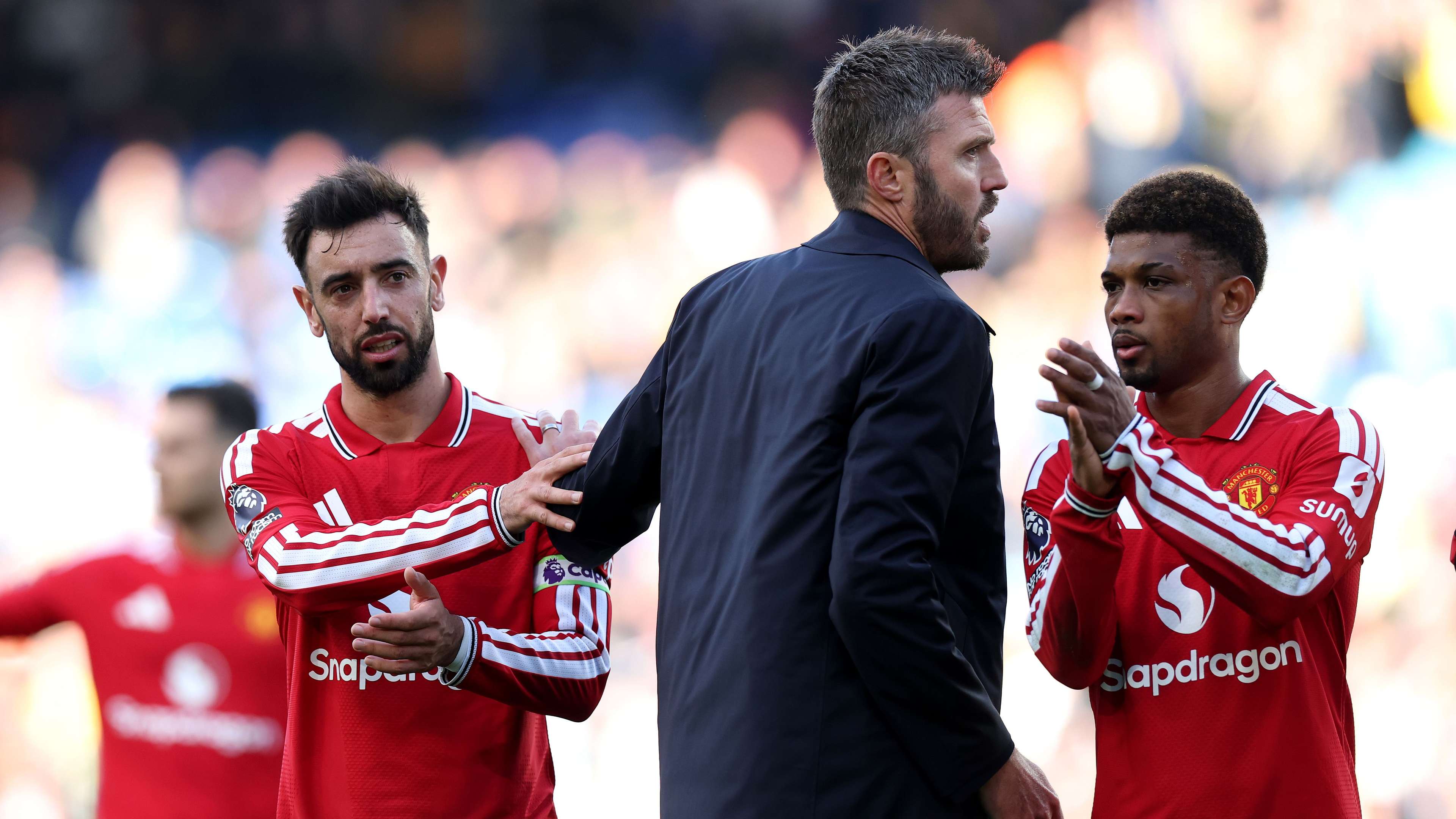
Manchester United’s 1-1 draw with Leeds United was followed by an unusual scene in the mixed zone: Bruno Fernandes and Matheus Cunha declined to speak with reporters, saying they did not have permission to give interviews. Their silence quickly prompted questions about whether the club had introduced an informal media restriction amid growing pressure on the team.
The moment was particularly striking because it came days after Lisandro Martinez delivered a fierce public criticism of United’s leadership. The defender’s comments, made following a 2-0 Champions League defeat to Atletico Madrid, brought the club’s internal tensions into the spotlight. While there is no confirmed evidence of an official ban on player interviews, the timing has encouraged speculation about how United are managing communication during a difficult stretch.
Fernandes and Cunha Decline to Address the Media
Players are often expected to speak to broadcasters or journalists after a Premier League match, particularly when the result has significant implications. Fernandes and Cunha’s explanation—that they were not permitted to talk—therefore stood out from the usual routine. Neither player offered further detail, leaving reporters and supporters to wonder whether the decision came from the club or reflected a broader communications policy.
According to a report by the Mirror, the players’ reluctance may have been intended to prevent another public confrontation like Martinez’s interview. However, the report also said the information available did not indicate that United’s media team had issued a direct order banning players from speaking to the written press after the Leeds match.
That distinction matters. A formal prohibition would suggest a clear change in club policy, while an informal request to keep comments limited would be harder to verify. Until Manchester United provides clarification, the circumstances around the players’ silence remain uncertain.
Martinez’s Criticism Put United’s Leadership Under Pressure
Martinez’s interview after the loss to Atletico Madrid was a major talking point because it went beyond frustration with a single result. The defender criticised the club’s management and questioned how the summer transfer market had been handled, including the work of sporting director Jason Wilcox. His remarks added to scrutiny of United’s recruitment strategy and decision-making at a time when performances have been inconsistent.
United fined Martinez for his comments. He later apologised following discussions intended to clear the air, and he returned to the team for the Leeds fixture. Supporters showed their backing for the defender, but his appearance was cut short when an injury forced him off in the first half.
The episode illustrates the challenge facing a club under sustained pressure: players are expected to show accountability, but public criticism of senior figures can deepen divisions and distract from the football. United must now manage both the sporting consequences of poor results and the questions surrounding how openly players can discuss problems.
A Difficult Run of Results
The draw with Leeds extended United’s winless Premier League run to five matches. The team has recorded only one league victory this season, against newly promoted Ipswich in August, and has managed two wins across its first ten games in all competitions. Those figures have intensified concerns about form, consistency and the direction of the campaign.
The current sequence also carries historical significance. United have not gone six matches without a win in all competitions since the end of the 2018-19 season. The club has also not started a league campaign with just one win from its opening seven matches for 40 years. Such comparisons do not determine what happens next, but they underline the scale of the challenge facing the squad and coaching staff.
For supporters searching for a football prediction on United’s next fixtures, recent results offer reasons for caution. The team’s ability to create momentum, respond after conceding and turn promising spells into goals will be central to any assessment. Squad fitness is another concern, particularly after Martinez’s early withdrawal against Leeds.
Champions League and Premier League Tests Ahead
United’s next assignment is a Champions League league-phase meeting with Como, managed by Cesc Fabregas. The match gives the team an opportunity to reset after a frustrating domestic draw, but it also arrives at a time when every performance is likely to be closely examined. A convincing result could ease some pressure; another setback would bring further scrutiny of the team’s tactics and leadership.
Bournemouth then visit in the Premier League the following Sunday. That fixture could prove important in determining whether United can halt their league slide before it becomes more damaging. The club will need greater consistency in possession, sharper finishing and a more reliable defensive structure if it is to turn draws and defeats into wins.
Communication Becomes Part of the Story
Manchester United’s immediate priority is improving results, but the post-Leeds silence has created a separate issue: how the club communicates during a crisis. When senior players decline interviews without a clear explanation, speculation can fill the gap. That can shift attention away from the performance itself and toward questions about discipline, internal relationships and control of the message.
Whether Fernandes and Cunha were following a specific instruction or simply lacked approval for interviews, their decision followed a week in which Martinez’s criticism had already exposed tensions around the club. United now face a delicate balancing act—protecting the dressing room while maintaining transparency with supporters and the media.
The next two matches will offer an early indication of whether the team can respond on the pitch. Until then, the draw with Leeds will be remembered not only for the result, but also for the unanswered questions surrounding Manchester United’s players, their freedom to speak and the club’s response to a season that has started badly.