
Bruno Fernandes Under Pressure as Manchester United Search for Answers
Only weeks ago, Bruno Fernandes was celebrated as one of the Premier League’s most influential players. Now, the Manchester United captain is facing uncomfortable questions as his team struggles through a damaging start to the new campaign. The contrast is stark: a record-breaking season of goals and assists has given way to a noticeable drop in chance creation, while United’s results have deteriorated sharply.
That shift has prompted a difficult debate among supporters. Is Fernandes contributing to United’s problems, or has a disrupted system left him without the teammates, space and tactical freedom that helped him thrive? The answer is unlikely to be simple. His performances merit scrutiny, but the wider circumstances around him also matter as United prepare for a demanding meeting with Atlético Madrid.
From award-winning season to difficult questions
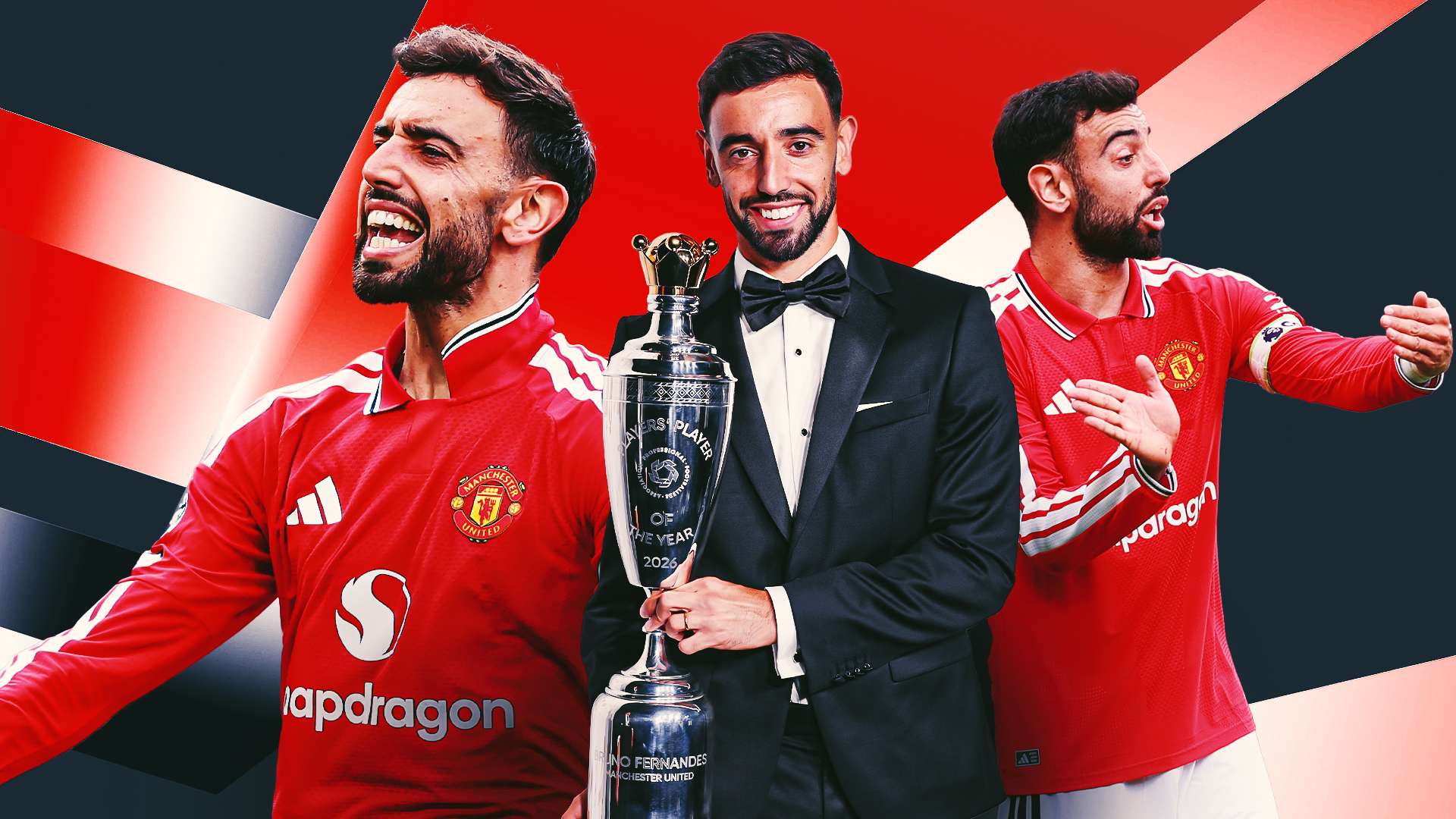
Fernandes ended the 2025–26 season with major individual honours, including the Professional Footballers’ Association Player of the Year award, after also receiving recognition from football writers. His influence helped United secure a surprising third-place finish and return to the Champions League after a two-year absence.
The Portuguese midfielder’s numbers were exceptional: nine goals and 21 assists, including a new Premier League single-season assist record. His impact was especially clear late in the campaign. Fernandes contributed directly to 12 of United’s 21 goals across their final 11 league matches, and to nine of the 12 goals scored during the seven-game run that secured their Champions League place.
At the awards ceremony, Fernandes described the season as exceptional but emphasised that football is a team sport. That distinction now feels particularly relevant. His individual achievements were built within a side that had enough balance and attacking movement to make the most of his passing. This season, the collective structure has looked far less reliable.
What the early-season numbers reveal
Fernandes has played every minute of United’s first six Premier League matches, scoring three goals and providing one assist. However, all four contributions came in the same match against Ipswich—the only game United have won during that run. His goal involvement therefore looks respectable at first glance, but it does not tell the full story of his influence across the campaign.
His shooting volume remains high, at an average of 3.3 attempts per match, but only 0.8 have been on target. More concerning for a player whose creativity is central to United’s attack is the fall in chances created. Fernandes is averaging 2.5 per game, compared with four last season. He has created only one clear-cut opportunity so far, a pass that sent Bryan Mbeumo through against Ipswich on 30 August.
Last season, Fernandes created roughly one big chance per match. That is a substantial change, and it helps explain why United’s attacks have felt less threatening. Still, statistics cannot identify the cause by themselves. A midfielder’s creative output depends on movement ahead of him, the space available between defensive lines and the security of the team behind him.
How injuries and tactical changes have affected his role
One explanation lies in the balance United had late last season. Benjamin Sesko provided a more conventional striker’s presence, while Casemiro’s positioning offered protection in midfield. That combination allowed Fernandes to move into advanced areas and attempt riskier passes without carrying quite the same defensive burden.
Fernandes had a productive connection with Sesko, creating four of the striker’s nine league goals in 2026. He also played a part in four of Casemiro’s final five United goals after 1 February. The importance of those relationships was not limited to goals and assists: a striker running in behind gives a playmaker a clear target, while a disciplined holding midfielder can cover space when an attack breaks down.
With both players unavailable or no longer central to the setup, Fernandes has had to manage more competing responsibilities. He is expected to create, help control possession and consider the defensive consequences of losing the ball. That can make a naturally adventurous player more cautious—and leave fewer opportunities to deliver the decisive pass.
Sesko’s shin injury has further complicated United’s plans, with no clear return date reported in the original account. The club had considered using Mbeumo as cover at centre-forward, but an ankle injury to Amad Diallo before the opening match against Hull City forced a rethink. Matheus Cunha has been used in the role, yet his tendency to drop deep can bring him into the same areas Fernandes wants to occupy.
When two players move toward the ball instead of stretching the opposition in different ways, defenders have less space to protect and United lose a direct option behind the back line. The result is a crowded attacking structure in which Fernandes may receive possession but have fewer useful passes available.
Fitness concerns add another layer
Fernandes’ workload is also part of the discussion. He is known for playing frequently, but reports of discomfort raised questions after he missed a Portugal fixture. Portugal coach Jorge Jesus said the midfielder had been playing through pain. United manager Michael Carrick later described the issue as minor and said such discomfort is common during a football season.
Carrick indicated that Fernandes had trained well and was eager to be involved. That is reassuring, but it does not completely settle whether fatigue is affecting his sharpness. A player can remain available and committed while still carrying a physical burden that influences his movement, decision-making or ability to repeat high-intensity actions.
Carrick backs his captain—but expects standards
Before the Atlético Madrid match, Carrick described Fernandes as a top-class player and expressed confidence that he could return to his best. At the same time, the manager made clear that no place in the starting line-up is guaranteed indefinitely. That message reflects a balance United must strike: support a key player while demanding performances that help the team improve.
Fernandes cannot be exempt from criticism simply because of his past achievements. But it would be equally simplistic to make him responsible for a wider collapse involving injuries, uncertain forward options and a midfield lacking consistent protection. One reported moment against Tottenham, when he took 23 minutes to complete a pass, illustrates how disconnected his involvement could look; on its own, however, it cannot define his overall form.
Prediction: United need a team solution, not a rescue act
The most reasonable prediction is that Fernandes’ influence will improve if United restore clearer roles around him. A striker who consistently threatens the space behind the defence, combined with a dependable midfield screen, could give the captain more freedom to operate between the lines. Carrick’s tactical decisions will be crucial, particularly in avoiding overlapping movements that crowd Fernandes out of his preferred areas.
United also need more than a return to their captain’s best numbers. Better chance creation will matter only if the team converts opportunities and protects itself when possession is lost. If the structure improves and Fernandes still struggles to shape matches, questions about his individual form will become harder to dismiss. If the supporting pieces remain missing, his statistics may continue to reflect a collective problem as much as a personal one.
Fernandes is neither the sole cause of Manchester United’s crisis nor an automatic solution to it. His recent decline is real, but so are the tactical and personnel challenges around him. United’s season may depend on whether Carrick can rebuild the balance that once allowed his captain to flourish—and whether Fernandes can adapt while that work is underway.