
A Rift in Asian Football: Sheikh Salman Clashes with Qatar Football Association
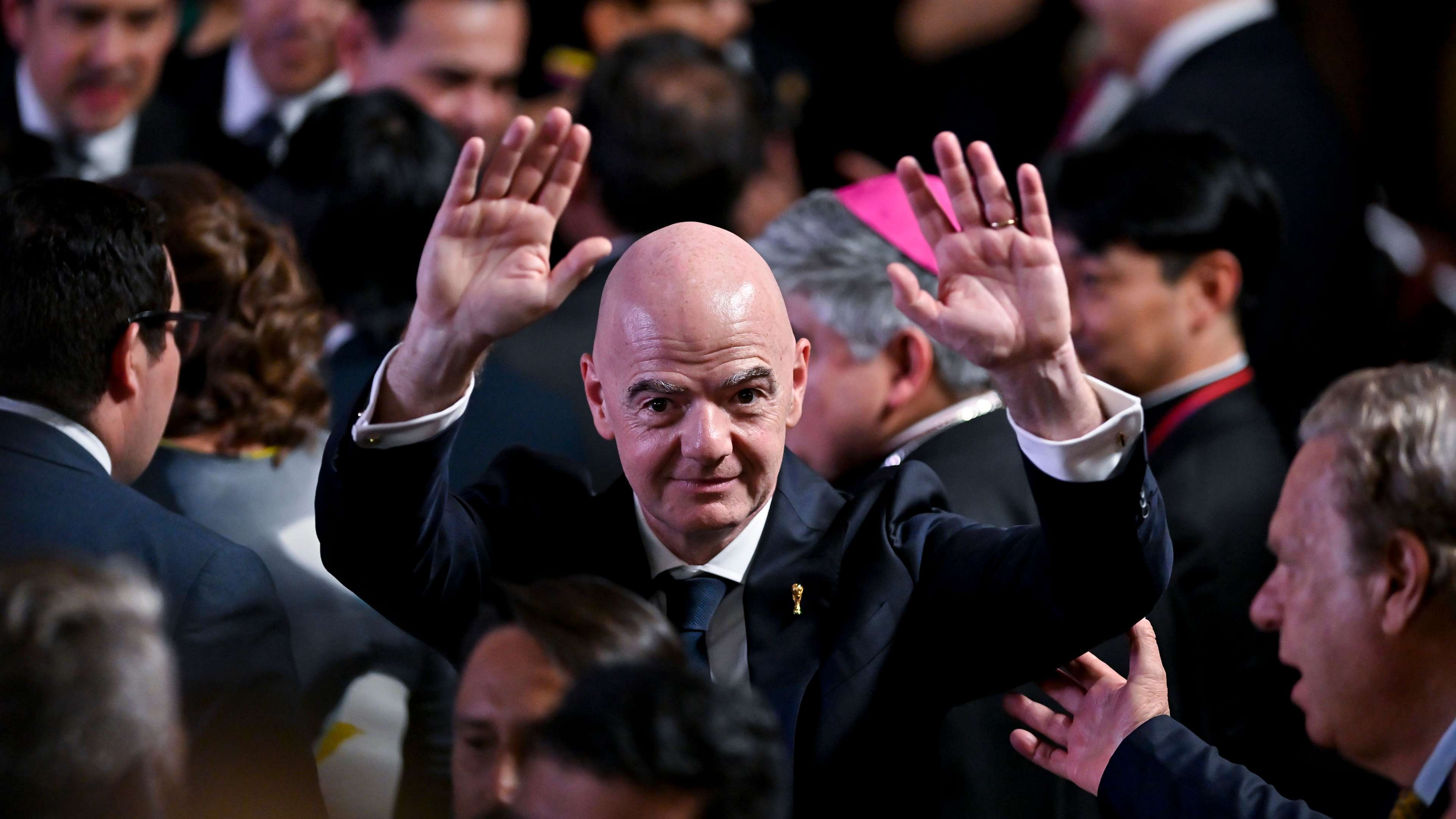
A rift within the Asian football family has widened as Sheikh Salman bin Ibrahim Al Khalifa, President of the Asian Football Confederation, responded to criticism from the Qatar Football Association. The controversy stems from FIFA President Gianni Infantino’s shelved plan to bring private investment into the World Cup, sparking tensions among key stakeholders in football.
Infantino Faces Criticism
Although Infantino backed away from the project to involve the private sector in FIFA competitions, including the World Cup, the pressure on him has not subsided. Last week, the confederations of Asia, Europe, and CONCACAF jointly penned a scathing letter reprimanding the FIFA president.
The letter emphasized that football “is not the property of any individual” and that leadership in football should not be about holding onto power or claiming the right to retain it. The confederations accused Infantino of losing trust through deception and placing himself above the collective that entrusted him with authority.
Infantino’s critics have called for his resignation over the failed bid to sell stakes in the World Cup, leading to further division within the football community.
Qatar Football Association’s Response
The Qatar Football Association was quick to challenge the Asian Confederation’s stance, asserting that any collective position must be based on prior consultation with member associations. The association demanded a written clarification regarding the consultation process and criticized the Asian Confederation for failing to consult with them before issuing the joint letter.
Sheikh Hamad bin Khalifa bin Ahmed Al Thani, President of the Qatar Football Association, expressed disappointment in not being consulted before the statement was issued. He emphasized the importance of a clear consultation process and a collective consensus among members before making any collective stance public.
Sheikh Salman’s Defense
In response to the Qatar Football Association’s grievances, Sheikh Salman bin Ibrahim Al Khalifa defended his actions, stating that he acted within the legal mandate granted to him under the Asian Confederation’s statutes. He rejected any insinuation of exceeding his powers and emphasized the responsibility of the Asian Confederation to protect the interests and values of football.
Sheikh Salman highlighted the necessity of speaking out in circumstances that led to the joint statement, emphasizing that remaining silent would contradict the governing body’s responsibility in Asian football.
Meanwhile, Infantino brushed aside calls for his resignation and received “full support” from senior FIFA officials at an emergency meeting in Morocco. The controversy surrounding the involvement of private investment in FIFA competitions continues to divide key stakeholders in the football world.
As tensions escalate within the Asian football family, the rift between Sheikh Salman and the Qatar Football Association underscores the complexities and challenges facing the sport at a global level.
The Role of Private Investment in Football
The proposed plan to introduce private investment into FIFA competitions, particularly the World Cup, has sparked heated debates within the football community. Proponents argue that private investment could bring much-needed financial resources to the sport, potentially leading to improved infrastructure, increased player wages, and enhanced fan experiences. However, critics raise concerns about the potential commercialization of football, fearing that profit-driven motives could compromise the integrity and values of the game.
While the idea of private investment in football is not new, the scale and scope of the proposed plan by Infantino raised significant alarm among stakeholders. The delicate balance between financial sustainability and preserving the essence of the sport remains a contentious issue that continues to divide opinions within the football world.
Transparency and Consultation in Decision-Making
The rift between Sheikh Salman and the Qatar Football Association also raises important questions about transparency and consultation processes within football governance. The demand for clear communication and consultation among member associations before taking collective stances highlights the need for greater inclusivity and collaboration in decision-making.
Effective communication and transparency are essential for fostering trust and unity within the football community. By ensuring that all stakeholders are consulted and informed before making significant decisions, football governing bodies can promote a sense of shared ownership and collective responsibility among member associations.
Impact on Asian Football Dynamics
The escalating tensions between Sheikh Salman and the Qatar Football Association have significant implications for the dynamics within Asian football. As one of the key players in the region, Qatar’s stance and actions could influence the relationships and power dynamics among Asian football associations.
The controversy also sheds light on the complexities of managing diverse interests and priorities within a regional confederation. Balancing the needs and perspectives of various member associations while upholding the values and principles of football governance poses a considerable challenge for leaders like Sheikh Salman.
The Future of Football Governance
As the rift in Asian football continues to unfold, it underscores the evolving landscape of football governance and the need for adaptive leadership in navigating complex challenges. The ongoing debates and conflicts within the football community highlight the importance of open dialogue, inclusivity, and ethical decision-making in shaping the future of the sport.
Moving forward, stakeholders in football governance must prioritize transparency, consultation, and collaboration to build a more resilient and united football community. By learning from past controversies and embracing principles of good governance, football leaders can steer the sport towards a more sustainable and inclusive future for all.
By delving deeper into the implications of private investment in football, the importance of transparency and consultation, and the broader impact on Asian football dynamics, this expanded content offers a comprehensive exploration of the rift between Sheikh Salman and the Qatar Football Association.