
Petr Čech Reflects on the Head Injury That Changed Football Safety
Former Chelsea goalkeeper Petr Čech has marked the 20th anniversary of the head injury that nearly ended his career—and could have cost him his life—with a heartfelt tribute to the medical professionals who treated him. The incident, which occurred during a Premier League match against Reading in October 2006, remains one of English football’s most significant reminders of the dangers players can face on the pitch.
Čech’s reflection is not only a personal look back at a defining moment in his life. It also highlights how emergency treatment, protective equipment and attitudes towards head injuries have evolved across football. Two decades on, his experience continues to resonate with players, supporters and medical teams working to make the game safer.
The Collision That Changed Čech’s Career
Čech was playing for Chelsea at Reading’s Madejski Stadium when he collided with Reading midfielder Stephen Hunt early in the match. Hunt was attempting to reach the ball and made contact with the goalkeeper as Čech moved out to challenge. The impact caused a serious skull injury, and the Chelsea player was rushed to hospital for emergency treatment.
The injury was life-threatening. Surgeons operated on Čech, and his recovery required patience and careful medical supervision. The goalkeeper later returned to professional football, but the incident left a lasting mark on his playing career. Rather than simply resuming his previous routine, he had to adapt to a new reality: from then on, he would wear protective headgear during matches and training.
For supporters watching at the time, the collision was a frightening reminder that football’s familiar physical contests can carry extraordinary risks. Goalkeepers are often required to move into crowded areas at speed, placing themselves in the path of opponents who are also focused on the ball. Even when neither player intends to cause harm, timing and momentum can combine with serious consequences.
A Tribute to the People Who Saved His Life
In marking the anniversary, Čech expressed gratitude to the medical professionals who helped him through the emergency and supported his recovery. His tribute placed the focus not on the collision itself, but on the people whose training and decisions made a difference when time was critical.
That recognition reflects the importance of medical teams in elite football. Club doctors, paramedics, surgeons and hospital staff all play a part in responding to serious injuries. On the pitch, the first assessment can be crucial: medical personnel must quickly determine whether a player can safely continue, needs immediate treatment or should be transferred for urgent hospital care.
Čech’s story also underlines why head injuries should never be treated casually. A player may appear conscious or eager to return, but symptoms can develop or worsen after an impact. Modern football increasingly emphasises that health must take priority over the pressure to keep playing, particularly when a concussion or more serious trauma is suspected.
How the Incident Influenced Football Safety
The 2006 collision became part of a wider conversation about player welfare and the responsibilities of clubs, officials and governing bodies. Football safety has developed through a combination of medical guidance, improved emergency planning and greater awareness of the long-term effects of head trauma.
Today, professional clubs typically have established procedures for dealing with serious injuries, including access to trained medical staff and plans for emergency transport. Rules and guidance around concussion have also become more prominent, encouraging careful assessment and a cautious approach to return-to-play decisions. These measures do not remove every risk from a contact sport, but they can help ensure that injuries are identified and managed more responsibly.
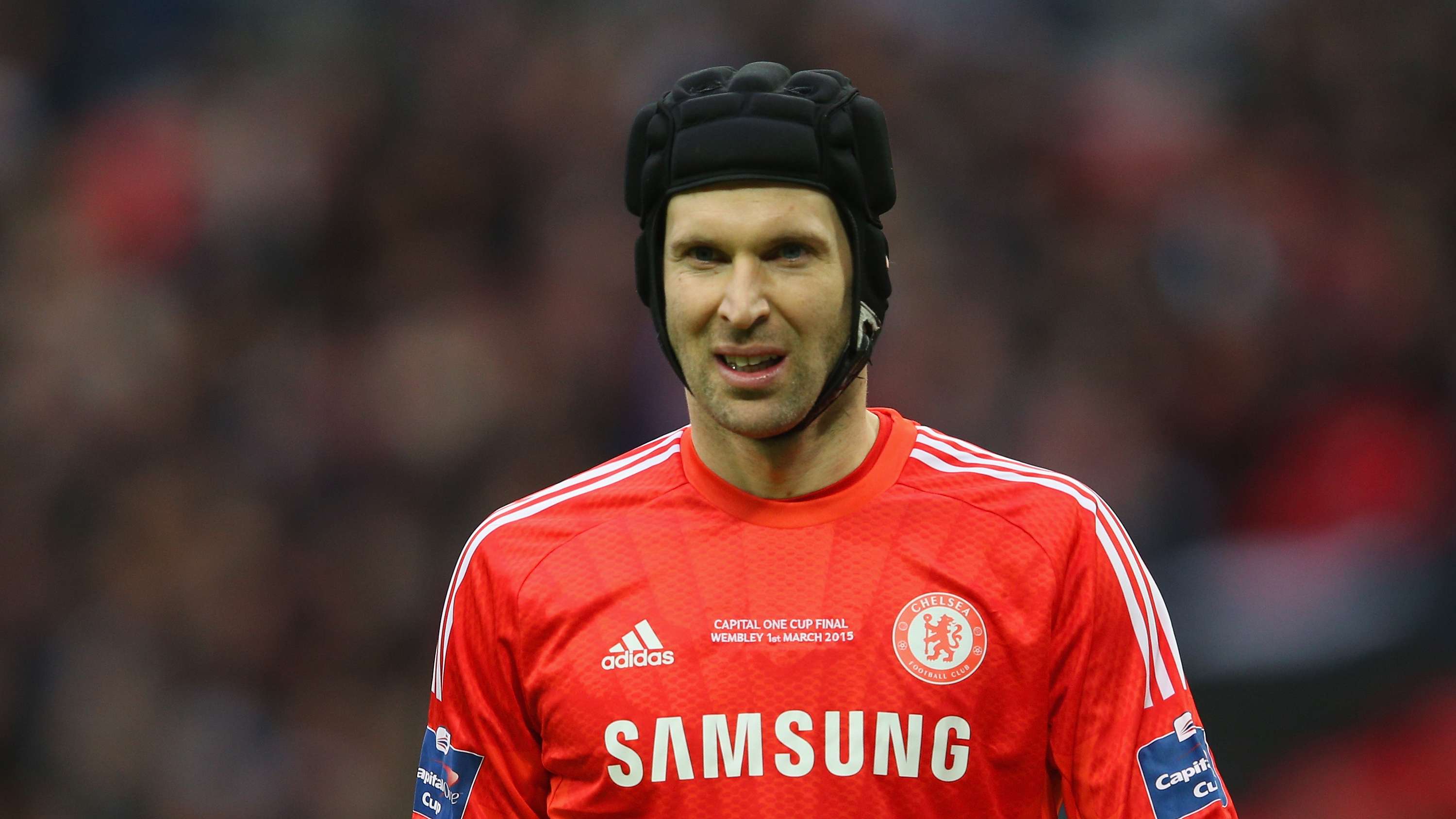
Protective headgear is another visible part of Čech’s legacy. After returning to action, he wore a padded helmet designed to protect his head from further impact. His decision helped make such equipment more familiar to football audiences, although protective headgear cannot prevent every type of injury or replace sound medical protocols. Its value depends on appropriate design, fit and use, alongside broader efforts to reduce dangerous collisions.
Why Goalkeepers Face Particular Risks
Goalkeepers regularly make split-second decisions in situations where several players may be moving towards the same ball. They can be exposed to collisions while diving, jumping or attempting to claim crosses, and the speed of these challenges leaves little time to adjust. That makes clear communication between players, referees and medical staff especially important.
Čech’s experience remains relevant because it shows how quickly an ordinary passage of a football match can become a medical emergency. It also reinforces the need for consistent standards across the sport, from top-flight stadiums to grassroots pitches. Access to first aid, knowledge of concussion warning signs and a willingness to stop play when necessary can all contribute to safer environments.
From Recovery to an Extraordinary Career
Čech’s return to football was a remarkable achievement. He went on to build one of the most successful goalkeeping careers of his generation, winning major domestic and European honours with Chelsea and later representing Arsenal. His performances, composure and leadership made him a central figure in English football for years after the injury.
That success should not obscure the seriousness of what happened. Instead, it makes his story especially powerful: Čech was able to continue at the highest level, but only after receiving urgent care and adapting to the consequences of a traumatic injury. His career demonstrates resilience, while his public reflections help keep attention on the medical and safety lessons behind that resilience.
For fans revisiting the episode, the anniversary also offers a chance to consider how football has changed. Discussions about concussion, player protection and emergency response are now more visible than they were in 2006. There is still work to do, but greater awareness is an important step towards making informed decisions when injuries occur.
A Lasting Lesson for the Game
Twenty years on, Čech’s tribute is both an expression of gratitude and a reminder of football’s responsibility to protect its players. His injury was a personal crisis, but its impact reached beyond one goalkeeper and one match. It helped bring the realities of head trauma into sharper focus for the sport’s wider audience.
Any prediction about football’s future safety standards should recognise that progress depends on continued attention—not just new equipment, but education, medical expertise and the courage to put a player’s wellbeing first. Čech’s story remains a compelling example of how swift treatment can change an outcome, and why every head injury deserves to be taken seriously.