
Jürgen Klopp’s Bayern Museum Joke Revives Dortmund’s Golden Era
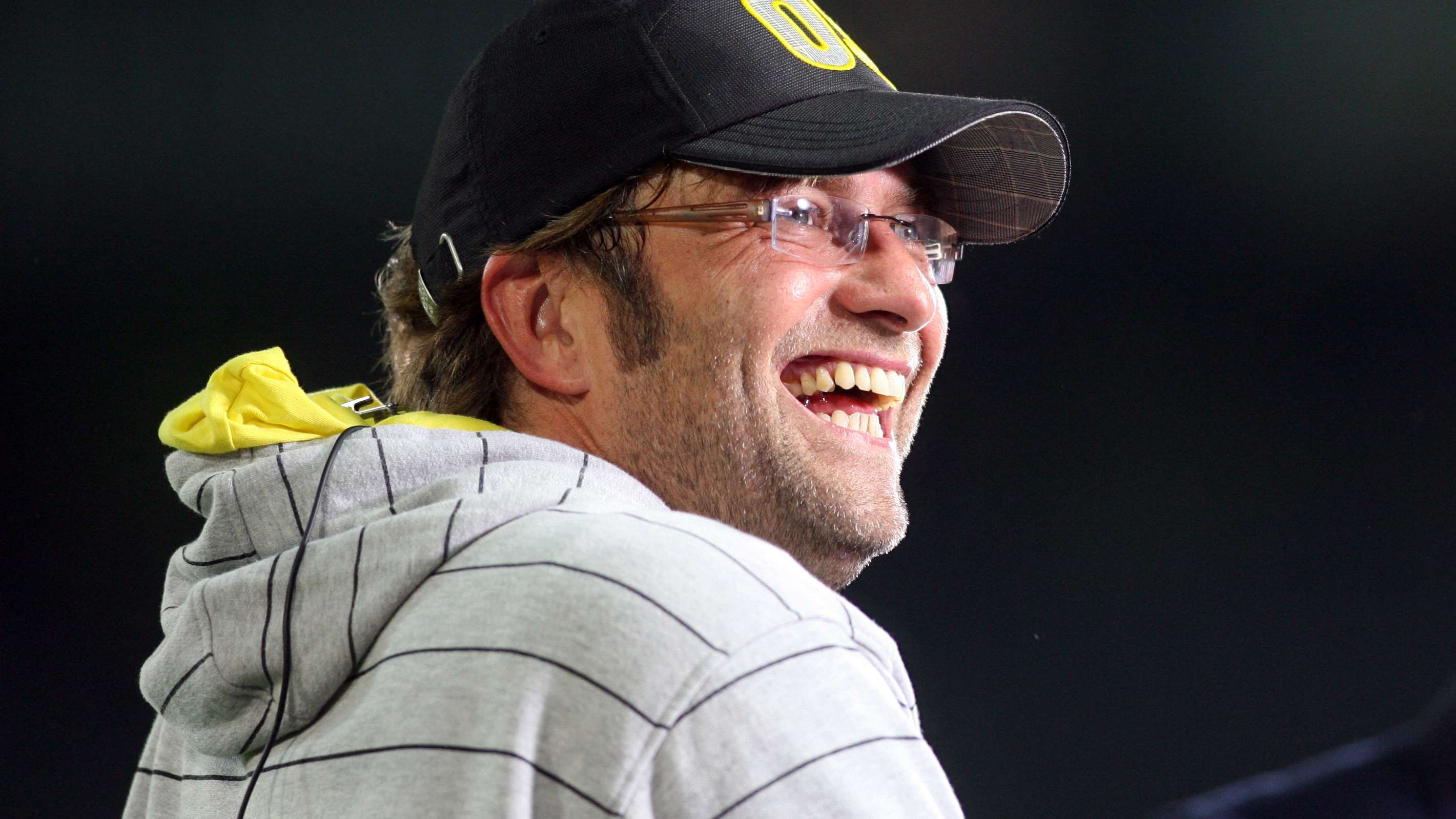
Jürgen Klopp brought a dose of humour—and a reminder of Bundesliga history—to the FC Bayern Museum during a visit to the Allianz Arena in late September. Standing in front of a display marking the German record champions’ title-winning seasons, the Germany coach noticed two gaps in the chronology: 2011 and 2012.
With a knowing smile, Klopp pointed them out. “Something’s missing there!” he joked. The years were significant because Borussia Dortmund, his team at the time, had won the Bundesliga title in both seasons. When he later spotted a similar omission in the display of cup triumphs, referring to Dortmund’s 2012 DFB-Pokal victory, he added: “And here as well. That’s strange.”
The light-hearted exchange quickly resonated with football fans online. It was classic Klopp: warm, theatrical and just mischievous enough to make a point. Beneath the joke was a reminder of a period when Dortmund were not merely challenging Bayern Munich but repeatedly disrupting the Bavarian club’s domestic dominance.
When Dortmund Became Bayern’s Biggest Bundesliga Rival
Klopp’s visit brought renewed attention to one of the defining rivalries of German football in the 2010s. He took charge of Borussia Dortmund in 2008 and gradually transformed the club into a high-energy, title-winning side. His team pressed aggressively, attacked at pace and played with a collective intensity that made them difficult opponents for even Europe’s strongest clubs.
Dortmund’s rise was built around a talented group of players, including Robert Lewandowski, Mario Götze and Mats Hummels. Their contributions helped BVB win the Bundesliga in 2011, before the club retained the title the following year. For a team competing against Bayern’s financial power and deep squad, those achievements marked a remarkable shift in the league’s balance.
The 2011–12 season was especially memorable. Dortmund finished ahead of Bayern in the league and then defeated their rivals 5–2 in the DFB-Pokal final at Berlin’s Olympiastadion. The victory secured the club’s first domestic Double and gave Klopp’s side a decisive moment of their own in a rivalry that had often been shaped by Bayern’s success.
A 5–2 Final That Made a Lasting Impression
Dortmund’s cup win was more than a trophy celebration. It was a statement about the team’s confidence and attacking strength. BVB punished Bayern’s mistakes and converted their chances with ruthless efficiency, while the scale of the result made the final one of the most memorable meetings between the clubs.
That performance also strengthened the sense that Dortmund could challenge Bayern over an entire season, rather than simply produce the occasional upset. For supporters, the missing years in the museum display were not minor details: they represented a period when the Bundesliga title race had a genuine alternative to Munich’s usual dominance.
The “Bayern Reflex” and the Road to Wembley
Dortmund’s success helped provoke what is often described as the “Bayern reflex”: the club’s determination to respond quickly and reassert its position at the top of German football. The rivalry reached its peak in the 2012–13 season, when the two sides met in the first all-German UEFA Champions League final.
The match took place at Wembley Stadium in London and delivered a dramatic conclusion. Bayern won 2–1, with Arjen Robben scoring the decisive goal late in the game. The result gave Munich a measure of revenge after the previous season’s domestic defeats and began a new chapter in the relationship between the clubs.
That final also illustrated how closely connected the teams had become. Several players who had helped Dortmund rise to prominence later moved to Bayern. Mario Götze made the switch in 2013, Lewandowski followed in 2014, and Hummels returned to Munich in 2016 after first developing into a star at Dortmund.
The transfers intensified debate among supporters. For Bayern, recruiting leading players from a direct rival strengthened an already powerful squad. For Dortmund fans, the departures were a reminder of the challenge of keeping a successful team together when Europe’s wealthiest clubs came calling. The moves became part of the rivalry’s story, alongside the trophies and high-stakes matches.
Klopp’s Legacy Beyond the Bundesliga
Klopp left Dortmund in 2015, bringing an end to a transformative spell that included two Bundesliga titles and the 2012 Double. His next major chapter began at Liverpool, where he built another energetic, high-pressing team and restored the English club to the top of European football.
Liverpool won the Champions League in 2019, defeating Tottenham Hotspur in the final. A year later, the club secured its first English league title in 30 years, completing a long-awaited milestone for supporters. Those achievements reinforced Klopp’s reputation as a coach capable of building teams that combine tactical intensity with a powerful sense of shared purpose.
His visit to the Bayern Museum therefore carried meaning beyond a quick joke. It connected three important parts of his career: Dortmund’s challenge to Bayern, the dramatic Champions League rivalry that followed, and the success he later achieved in England. Klopp’s playful comments also offered a useful reminder that football history is not defined only by the most decorated club. It is shaped just as much by the challengers who force champions to respond.
What the Joke Means for Today’s Football Fans
For supporters looking ahead to future Bundesliga campaigns, the story offers a familiar lesson: a dominant club can be pushed when a rival combines smart recruitment, a clear tactical identity and belief in its approach. Dortmund’s title-winning teams did not erase Bayern’s stature, but they made the competition more compelling and created memories that still shape how fans discuss the league.
Any prediction about the next major Bundesliga rivalry must account for the same ingredients—squad depth, coaching, consistency and the ability to perform in direct encounters. Klopp’s museum quip was only a brief moment, but it reopened a chapter when Dortmund made Bayern look over their shoulder. For BVB supporters, those missing years remain firmly present in the club’s history.