
Bayern Munich Transfers and Predictions: Ibrahimovic Loan to Augsburg Sparks Surprise
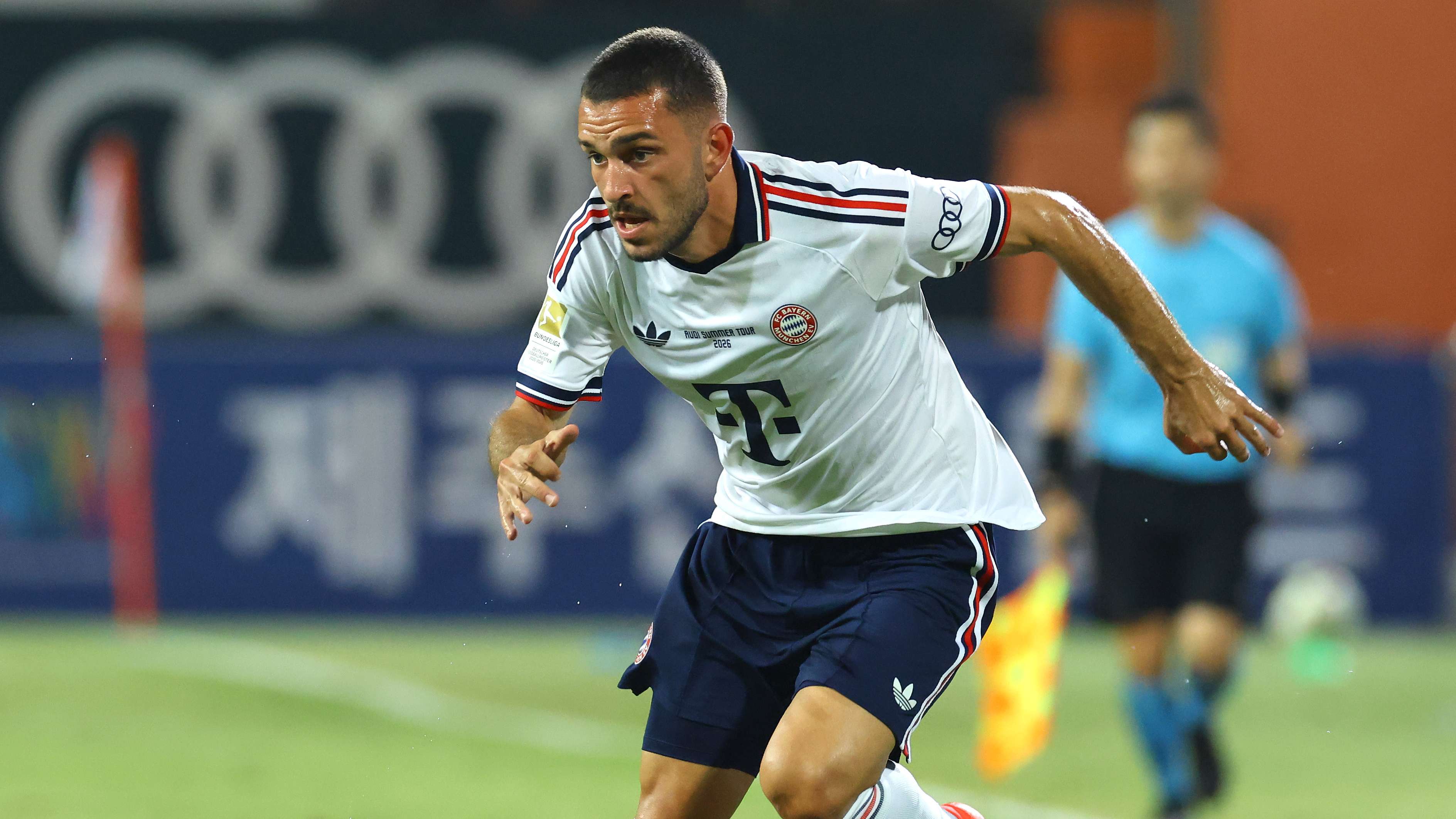
In a surprising turn of events within the bustling transfer window, Bayern Munich has announced the loan transfer of promising winger Arijon Ibrahimovic to Bundesliga rival FC Augsburg. This move, announced just before the transfer deadline, has ignited discussions among fans, pundits, and club insiders about the club’s transfer strategy, Ibrahimovic’s development trajectory, and what this means for the future of Bayern’s squad.
Details of the Transfer: A Strategic Loan with an Option to Buy
According to reports from Sky Sports, Bayern Munich is loaning Ibrahimovic to Augsburg for a fee of €500,000. The deal includes an attractive option for Augsburg to purchase the young talent permanently next summer for €8 million. Additionally, Bayern has secured a sell-on clause, ensuring they benefit financially if Augsburg decide to sell Ibrahimovic later down the line. This structure offers Bayern a strategic advantage, allowing them to monitor the player’s development while potentially making a profitable transfer in the future.
Background and Previous Loan Experiences
At just 20 years old, Ibrahimovic is no stranger to the loan system. His career has already seen spells at several Italian clubs, including Frosinone Calcio, Lazio Rome, and 1. FC Heidenheim in Germany. Despite this experience, his latest move to Augsburg still comes as a surprise for several reasons, especially considering Bayern’s recent comments and plans involving the player.
Why Is Ibrahimovic’s Loan Move to Augsburg Unexpected?
There are two main reasons why Ibrahimovic’s transfer to Augsburg is considered a surprising development in Bayern’s transfer strategy. First, the recent extension of his contract by Bayern Munich seemed to signal a long-term plan for the winger. Bayern publicly expressed confidence in Ibrahimovic, with head coach Vincent Kompany viewing him as a potential replacement for the injured Luis Diaz on the wing. This suggested that the club saw Ibrahimovic as a key part of their squad moving forward, not as a loan candidate.
Second, the timing and manner of the transfer announcement have caused some friction. Just weeks ago, Bayern officials highlighted Ibrahimovic’s potential, emphasizing his growth and readiness to contribute at the highest level. Yet, during this window, Bayern’s sporting director Christoph Freund pointed out that Ibrahimovic’s development was “a prime example of the opportunities Bayern provides to talented players,” and that he was now ready to make an impact at Bayern.
However, Bayern’s public statements about potential transfers and the apparent openness of other Bundesliga clubs to loan or buy Ibrahimovic have reportedly caused some frustration within the Bayern camp, particularly among Ibrahimovic’s supporters and advisors.
The Player’s Perspective: Ibrahimovic’s Ambitions and Frustration
Expressing his enthusiasm, Ibrahimovic has publicly stated his desire to establish himself at Bayern Munich, describing it as “the biggest club in the world” and emphasizing his determination to seize his chance. Yet, recent training performances and friendly matches apparently did not meet the club’s expectations, fueling speculation about his immediate future at Bayern.
Meanwhile, reports indicate that Ibrahimovic’s advisor, Roman Rummenigge, and the player himself, felt “blindsided” by Bayern’s public comments and the sudden push towards a transfer. The situation highlights the often complex relationship between young players, their agents, and club management, especially when transfer predictions and negotiations are involved.
The Role of FC Augsburg and Why They Made the Move
Historically considered a club that develops young talents, Augsburg’s decision to acquire Ibrahimovic on loan marks a significant step for the Bavarian club. Under coach Manuel Baum, Ibrahimovic is expected to play a crucial role, especially if key players like Alexis Claude-Maurice leave the club soon. Augsburg’s willingness to pay a relatively modest loan fee and the option to buy suggests they see Ibrahimovic as a potential future star capable of making an immediate impact.
Interestingly, while other clubs such as Atalanta Bergamo in Italy and Bundesliga rivals Union Berlin and Werder Bremen were speculated as potential destinations, Augsburg’s move comes as a surprise to many experts and fans alike. This decision reflects Augsburg’s strategic focus on nurturing young talent and competing for a place in the Bundesliga’s competitive landscape.
Prediction and Future Outlook
As Bayern Munich prepares for upcoming fixtures, including the DFB-Pokal clash against Osnabrück and the Bundesliga fixture against Eintracht Frankfurt, all eyes will be on Ibrahimovic’s development at Augsburg. His loan move is not just about gaining experience; it is also a calculated step in Bayern’s transfer prediction model—monitoring his progress closely to decide whether to activate the buy clause next summer.
Based on his previous performances—two goals and five assists in 34 matches last season at Heidenheim—there’s reason to believe Ibrahimovic can develop into a significant offensive threat. His early exposure to senior professional football, coupled with Augsburg’s environment under Baum, could catalyze his growth, making him a predicted future star for Bayern.
Implications for Bayern’s Transfer Strategy
The Ibrahimovic loan illustrates Bayern Munich’s broader transfer prediction approach—balancing immediate squad needs with long-term talent development. By loaning out promising players like Ibrahimovic, Bayern can evaluate their readiness for top-flight football while maintaining flexibility to make future transfer decisions based on performance.
This move also underscores the importance of clear communication among club management, players, and agents. The frustration expressed by Ibrahimovic’s camp highlights the need for transparency and strategic planning, especially when young talents are involved in complex transfer negotiations.
Final Thoughts: What to Expect Moving Forward
As the transfer window closes, the football community will be watching Ibrahimovic’s progress at Augsburg closely. Will he fulfill his potential and become a key player for Bayern in the future? Or will this loan serve as a stepping stone to a permanent transfer elsewhere? Either way, his development will be a critical prediction factor for Bayern’s future squad planning.
Ultimately, Ibrahimovic’s loan to Augsburg exemplifies the dynamic nature of modern football transfers—where strategic predictions, player development, and club ambitions intersect to shape the future of the sport. Fans, analysts, and club insiders alike will be eager to see how this young talent progresses in the coming months, and whether this move will turn out to be a masterstroke or a missed opportunity for Bayern Munich.