
Arteta backs Arsenal’s restructuring as Saliba team-photo absence sparks questions
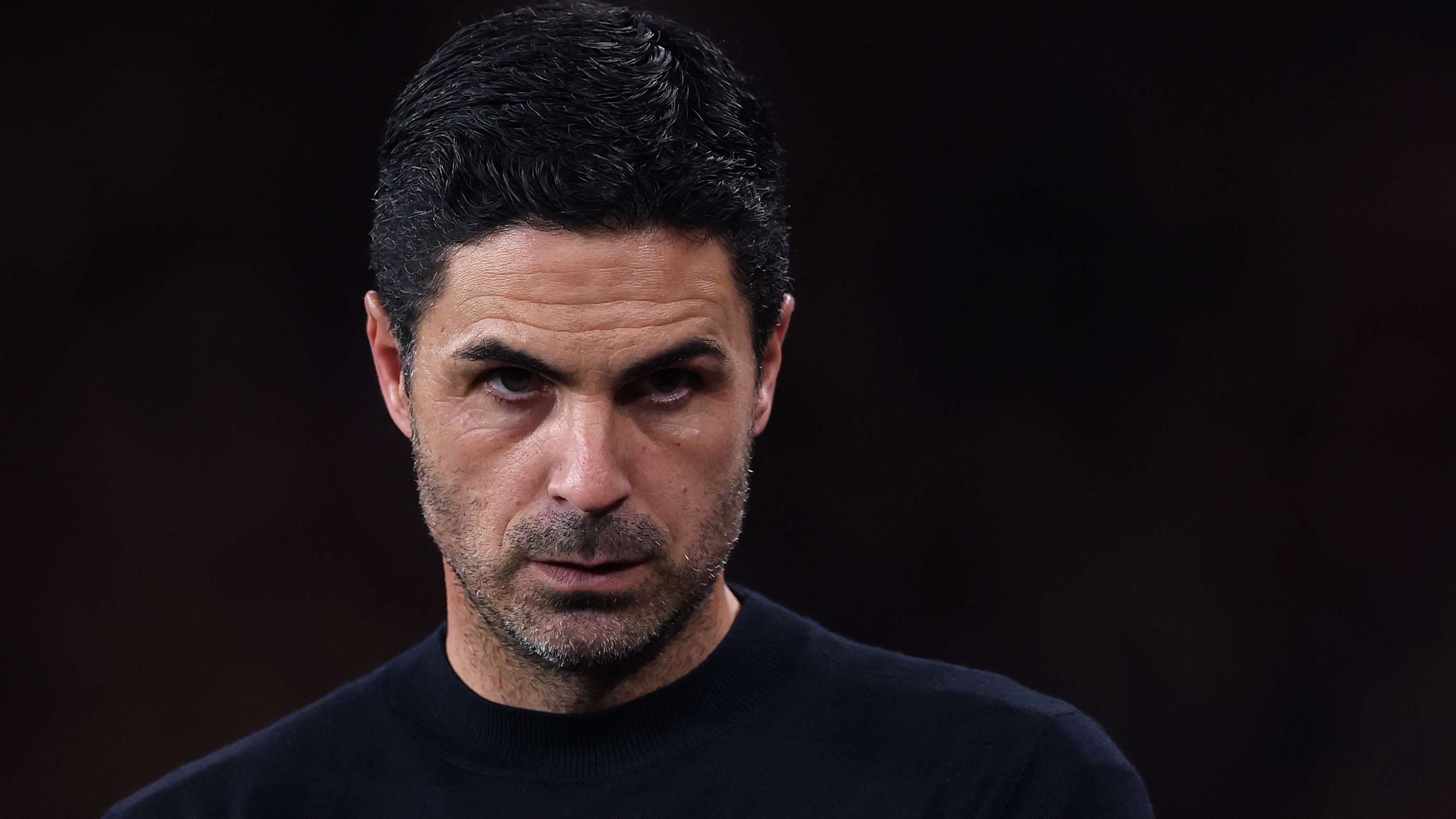
Arsenal manager Mikel Arteta has defended the club’s broader approach to staffing and investment after reports that the north London side plans to cut around 60 jobs. The news emerged only days after Arteta signed a new contract, placing the manager at the centre of questions about the club’s priorities, its long-term strategy and the changes taking place behind the scenes.
Arteta did not directly explain or justify the individual job cuts. Instead, he said he was not the appropriate person to comment on the decision, while pointing to the importance of having the right people in the right roles. He also underlined Arsenal’s need to continue investing if the club is to meet its ambitions and build sustained success.
The situation has drawn attention because Arsenal are working to strengthen their position on the pitch while also reviewing their operations off it. For supporters, the challenge is to understand how staffing changes fit into the club’s wider football strategy—and whether the decisions will help create a more effective structure around the first team.
Arteta stresses the importance of the right structure
Asked about the reported reductions, Arteta kept his response measured. His comments suggested that staffing decisions should be considered within the context of the club’s overall organisation, rather than as a subject for the manager to discuss in detail. He emphasised that Arsenal need people in suitable positions and must keep directing resources towards the goals they have set.
That distinction matters at a modern football club, where success depends on far more than the players and coaching staff seen on matchday. Recruitment, performance analysis, medical care, academy development, commercial operations and administration all contribute to how a club functions. Changes in one part of the organisation can therefore prompt questions about how Arsenal intend to balance efficiency with the investment needed to compete.
Arteta’s remarks did not provide specific details about which roles may be affected, how the process will work or what savings the club expects to make. They did, however, reinforce a familiar theme in his public comments: Arsenal must align its people and resources with its sporting ambitions. That message is likely to remain relevant as the club prepares for another demanding campaign in domestic and European football.
Why the job-cut reports matter to Arsenal supporters
Supporters naturally want to know whether cost reductions could affect the club’s ability to recruit, develop young players or support the first team. At the same time, a restructuring does not automatically mean that football operations will receive less investment. Clubs may reorganise departments, remove overlapping responsibilities or shift resources towards areas they consider more important.
Without further information from Arsenal, it is too early to draw firm conclusions about the practical impact of the reported 60 job cuts. The key indicators will be the club’s subsequent decisions: whether it continues to invest in the squad and facilities, how effectively it supports Arteta’s coaching staff, and whether the new structure helps Arsenal make better, faster decisions.
For now, Arteta’s position is one of support for the club’s direction without offering a detailed defence of the specific cuts. His comments acknowledge the need for careful organisation while also insisting that investment remains essential to achieving Arsenal’s targets.
Saliba’s absence from Arsenal’s team photo explained
Another topic attracting attention is William Saliba’s absence from Arsenal’s first official team-photo session for the 2026–27 season. The French defender was not present when the initial photographs were taken, and his absence prompted speculation after the images became public. Given Saliba’s importance to Arsenal’s defence, even a routine scheduling issue quickly became a talking point among fans.
Speaking to French outlet Foot Mercato, Arteta explained that the photo session had been postponed several times, with the club’s commercial commitments contributing to the delays. Saliba missed the first session because he had a medical appointment. Arteta indicated that the defender understands the situation and is taking it in a sporting spirit.
The manager also sought to reassure supporters about Saliba’s standing within the squad. He said the player knows how important he is to the team and understands his position at Arsenal. That clarification is significant because a missed team photograph can easily be misread as a sign of tension, uncertainty or a possible change in a player’s future—particularly when the player is a central figure in the starting line-up.
A scheduling issue, not a signal about Saliba’s future
Official team photographs are part of a club’s media and commercial schedule, rather than a reliable guide to selection or transfer plans. With the session having been moved more than once, a clash with a medical appointment offers a straightforward explanation for Saliba’s absence. Arteta’s comments also indicate that the defender remains fully aware of his value to the team.
Saliba’s role is especially important as Arsenal look to maintain defensive consistency. A composed centre-back who can defend space, read danger and contribute to building attacks is central to the way many leading teams approach modern football. His presence can help the back line hold a higher position, giving the midfield and forwards more support when Arsenal press opponents.
That is why the photo story attracted more interest than the circumstances warranted. When a key player is missing from a public club image, supporters often search for a deeper explanation. In this case, the available information points to a practical scheduling conflict, not a fresh development over Saliba’s status.
What to watch as Arsenal prepare for the new season
The two stories offer different snapshots of Arsenal’s preparations. The reported job cuts raise broader questions about how the club is organised and where it chooses to invest, while the team-photo episode shows how quickly an ordinary administrative detail can become a football headline. Arteta’s comments on both subjects have focused on perspective: staffing decisions belong within the club’s wider structure, and Saliba’s absence should not be mistaken for a change in his importance.
For fans following Arsenal’s progress, the most useful measure will be what happens next. The club’s recruitment, performances, squad depth and support for the coaching team will reveal more about its ambitions than any single statement. Likewise, Saliba’s role in upcoming matches will provide a clearer indication of his place in Arteta’s plans than a missed photograph.
Any early-season prediction should therefore be cautious. Arsenal have clear ambitions, but achieving them will depend on turning planning into consistent performances across a long campaign. If the club can maintain investment in key football areas while building an effective organisation, Arteta’s emphasis on having the right people in the right positions may prove central to the team’s pursuit of success.