
Fans Protest Against DFB at DFB Cup Final
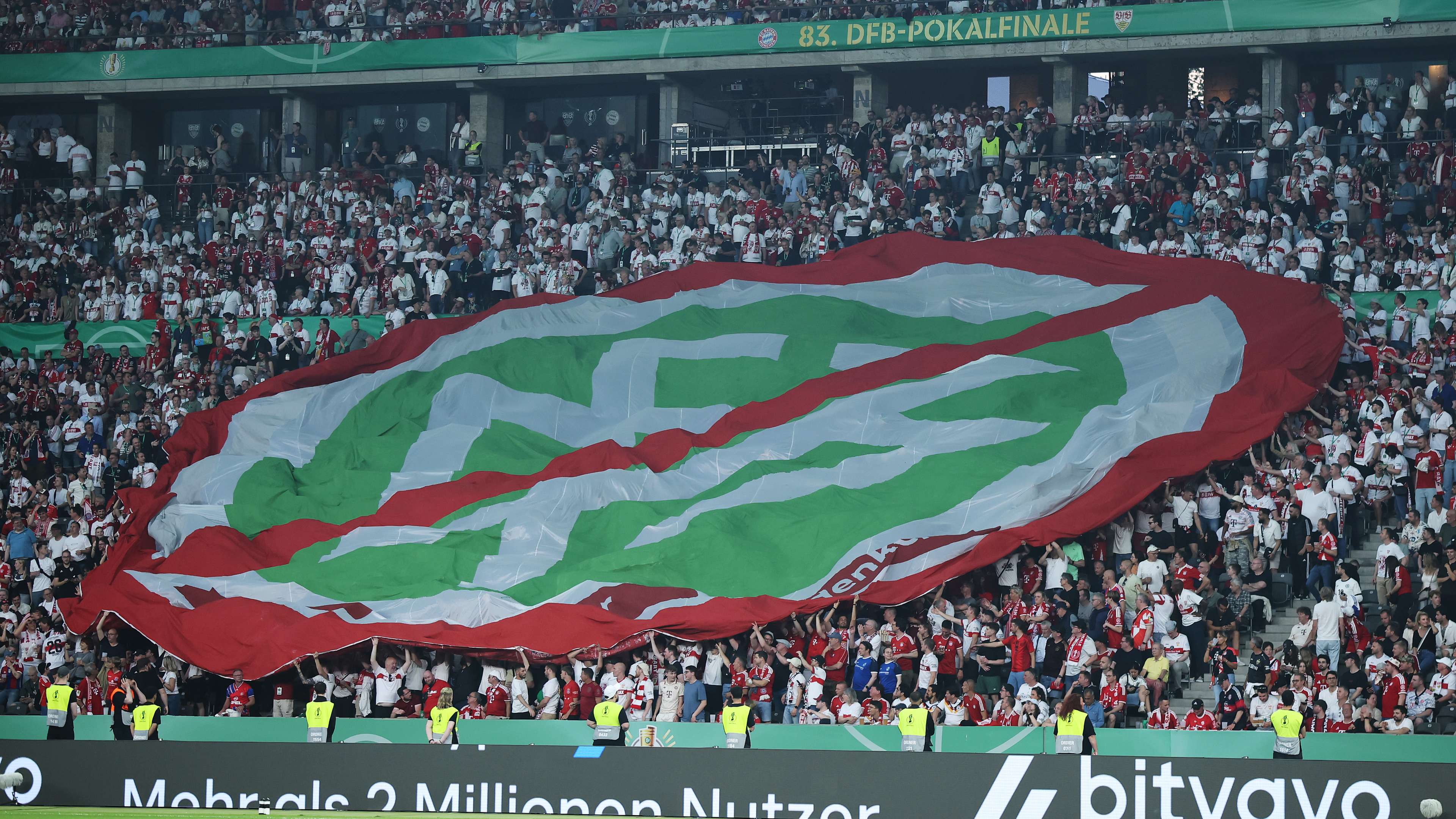
Fans of Bayern Munich and VfB Stuttgart made a powerful statement during Saturday evening’s DFB Cup final with coordinated protests against the DFB. The match, held at Berlin’s Olympic Stadium, saw passionate supporters coming together to voice their displeasure with the governing body of German football.
Bold Statement
At the start of the second half, VfB Stuttgart fans unveiled a massive 15-meter-wide banner featuring a crossed-out DFB logo. The banner was passed along the stands, making its way towards the Bayern Munich section on the opposite side of the stadium. This bold display of unity showcased the fans’ dissatisfaction with the DFB’s policies and decisions.
The protest highlighted the fans’ frustration with the way the DFB has been managing football in Germany. From controversial VAR decisions to scheduling conflicts and ticket prices, supporters have been vocal about their concerns regarding the direction in which the sport is heading.
Unity Among Rival Fans
Despite being supporters of rival teams, Bayern Munich and VfB Stuttgart fans found common ground in their opposition to the DFB. The shared belief that changes need to be made within the organization brought these fans together in a show of solidarity.
By coming together to protest against the DFB, fans demonstrated the power of unity and collective action. Their actions not only drew attention to the issues at hand but also sparked discussions about the role of fans in shaping the future of football in Germany.
Impact of Fan Protests
The fan protests at the DFB Cup final serve as a reminder of the passion and dedication that supporters have for the sport. Football fans play a crucial role in shaping the culture and direction of the game, and their voices should not be ignored.
As the DFB continues to face criticism from fans and stakeholders, it is clear that changes need to be made to address the concerns raised by supporters. By listening to the voices of the fans and working towards a more inclusive and transparent football governance system, the DFB can rebuild trust and strengthen its relationship with supporters.
Looking Ahead
As the dust settles on the DFB Cup final, the message sent by Bayern Munich and VfB Stuttgart fans reverberates throughout the football community. The unity displayed by these fans serves as a powerful reminder of the impact that collective action can have in bringing about change.
It remains to be seen how the DFB will respond to the fans’ protests and whether meaningful steps will be taken to address the concerns raised. One thing is clear – football fans are a force to be reckoned with, and their passion and dedication will continue to shape the future of the sport in Germany.
Increased Fan Activism in Football
The protest at the DFB Cup final is just one example of the growing trend of fan activism in football. Supporters are increasingly using their collective voice to demand change and hold governing bodies accountable. From grassroots movements to organized protests, fans are playing an active role in shaping the future of the sport.
One key issue that fans have been vocal about is the lack of transparency in decision-making processes within football organizations. Calls for more accountability and openness have been amplified by fan protests, signaling a shift towards greater fan involvement in governance structures.
Impact on Football Prediction
The unrest among fans towards the DFB and other football authorities can also have implications for football prediction and analysis. The unpredictability of fan protests and the potential for disruptions in matches due to fan actions could make it more challenging for analysts and bettors to accurately predict outcomes.
Fans’ dissatisfaction with the current state of football governance could lead to increased volatility in match results and player performances. This dynamic landscape adds a new layer of complexity to football prediction, requiring analysts to consider not only on-field factors but also off-field influences such as fan sentiment and activism.
The Role of Social Media
Social media platforms have played a significant role in amplifying fan voices and organizing protests in the football community. The ability to connect with like-minded fans, share information, and coordinate actions online has empowered supporters to mobilize more effectively and make their voices heard.
Platforms like Twitter, Facebook, and Instagram have become powerful tools for fan activism, allowing supporters to engage with a wider audience, attract media attention, and pressure football authorities to address their concerns. Social media has transformed the way fans express their opinions and advocate for change in the world of football.
Collaboration with Stakeholders
While fan protests can be disruptive, they also present an opportunity for dialogue and collaboration between supporters, clubs, and football organizations. By listening to fan feedback and engaging in meaningful conversations, stakeholders can work together to address issues, build trust, and create a more inclusive and sustainable football ecosystem.
Clubs and governing bodies that embrace fan input and prioritize transparency are more likely to foster positive relationships with supporters and strengthen the overall football community. Collaboration between fans and stakeholders can lead to innovative solutions, improved governance structures, and a more vibrant and engaging football experience for all involved.
Conclusion
The protest at the DFB Cup final reflects a broader shift towards increased fan activism and engagement in football. Fans are no longer just spectators but active participants in shaping the future of the sport. Their unity, passion, and dedication serve as powerful driving forces for change and progress within the football community.
As football continues to evolve, it is essential for clubs, governing bodies, and fans to work together collaboratively, listen to each other’s perspectives, and drive positive transformation in the sport. By fostering a culture of inclusivity, transparency, and dialogue, football can continue to thrive and bring joy to fans around the world.