
Felix Nmecha’s Dortmund form raises questions as a rest could offer a reset
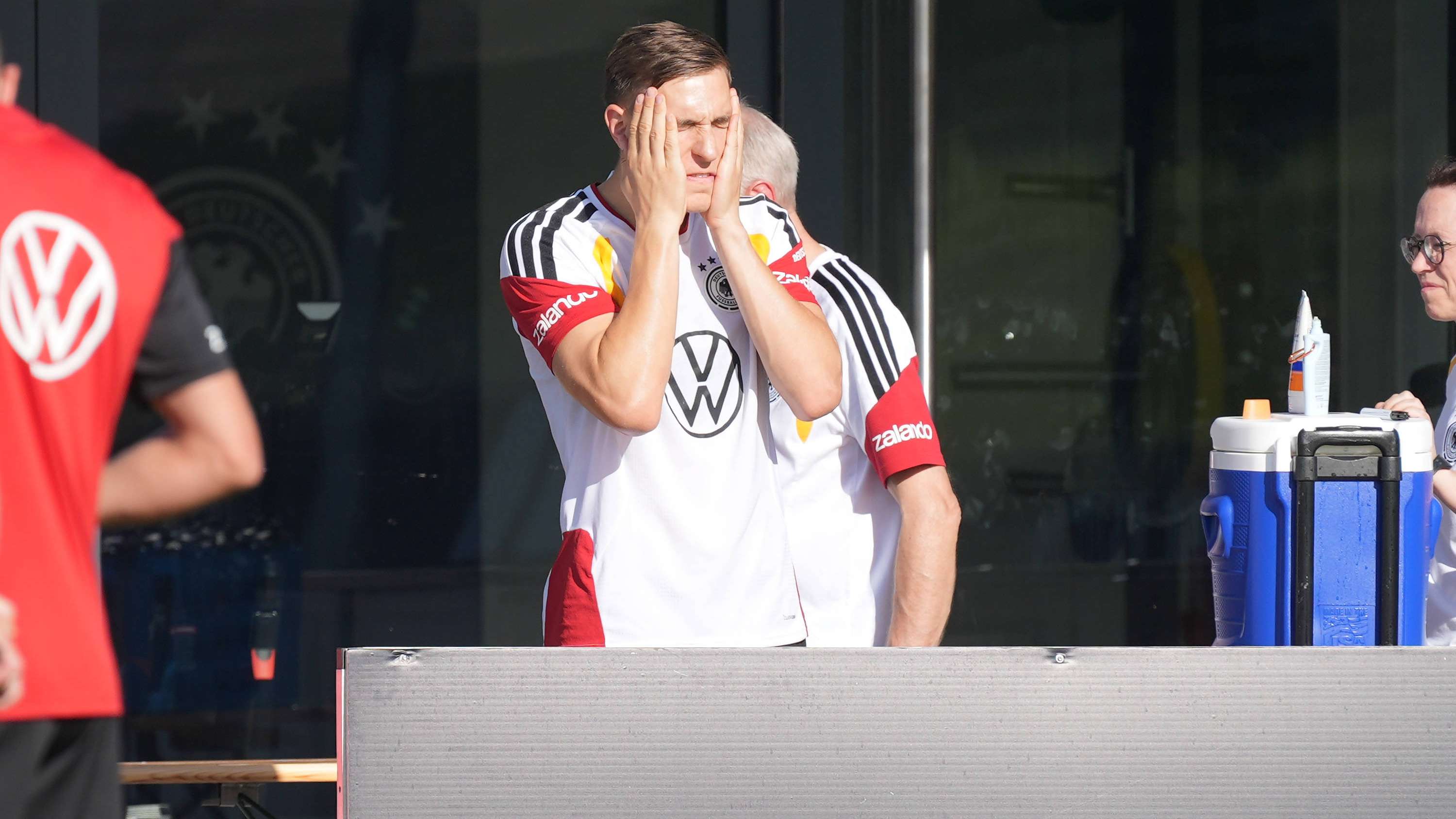
Felix Nmecha was one of Borussia Dortmund’s most influential players last season. This campaign, however, the Germany international has struggled to reproduce that level, prompting fresh questions about his form, fitness and role in Niko Kovac’s midfield. With a demanding schedule continuing, a short spell out of the starting lineup could give the 26-year-old valuable time to recover his rhythm.
Dortmund’s recent 1-0 win over Eintracht Frankfurt offered an unusual illustration of how fan votes can differ from what happened on the pitch. Nmecha was named player of the match in the official Bundesliga app poll, collecting 23 per cent of votes cast between the 86th minute and the final whistle. But he had been substituted in the 79th minute, with the score still 0-0.
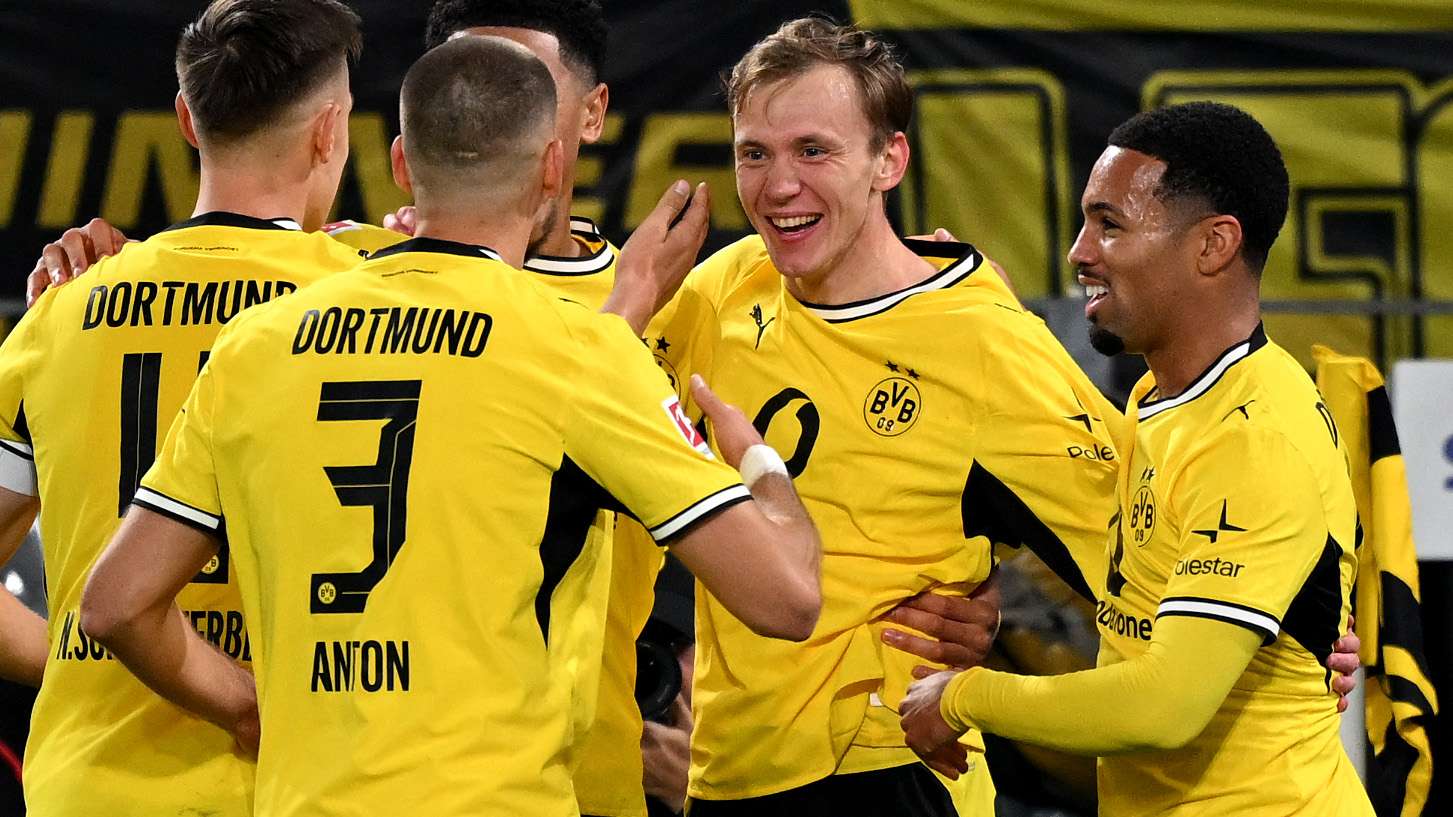
His replacement, Jobe Bellingham, helped create the decisive moment one minute later, setting up Maximilian Beier for the winning goal. Beier’s finish made him a natural candidate for the award, while Joey Veerman also impressed by helping Dortmund control play. Nmecha’s selection therefore seemed difficult to reconcile with the match’s key events.
A curious vote echoes a previous Dortmund controversy
The result recalled another surprising fan poll involving a Dortmund player. In 2023, Emre Can won Germany’s “National Team Player of the Year” vote by a wide margin, receiving 64.6 per cent of nearly 50,000 votes. Yet Can had played only 412 of a possible 990 minutes for Germany that year and missed five of the team’s 11 matches. The result was widely attributed to a social-media campaign encouraging supporters to vote for him.
There is no indication that the Nmecha poll had a similar explanation. Still, its timing highlights the limits of online awards: votes can reflect a player’s reputation, popularity or a brief moment of attention, rather than a complete assessment of performance. For Dortmund, the more pressing issue is not the poll itself, but how to help Nmecha return to the level that made him such an important part of the team.
Why Dortmund expect more from Nmecha
Nmecha arrived at the new season with high expectations after a strong campaign for BVB. His performances had attracted attention beyond Germany, with reports linking him to English clubs and suggesting that potential transfer fees could reach nine figures. He also featured at the World Cup, where his profile rose further.
His start to the current season has been uneven. A notable exception was his brace against newly promoted Paderborn in a 3-0 victory, a substitute appearance that included an eye-catching bicycle kick. Outside that match, however, goals and assists have been scarce. His overall statistics are not disastrous, but Dortmund need more than steady numbers from a midfielder expected to influence matches and drive the team forward.
Kovac has previously underlined Nmecha’s importance. Last April, when the midfielder was unavailable with a knee ligament injury, the coach said Dortmund were “a different team” without him, pointing to his value as a link between the defensive and attacking phases. That assessment explains why his current difficulties matter: BVB are waiting for the energetic, decisive presence they saw last season.
Careless possession and a lack of rhythm
Nmecha’s recent performances have included some encouraging moments, but the weaknesses have often been more visible. He has sometimes surrendered possession in build-up through avoidable errors, leaving Dortmund exposed in dangerous areas. In defensive duels, he can appear hesitant, while his off-ball movement and intensity have not consistently matched the demands of Kovac’s system.
The midfielder is not short of effort. He runs, asks for the ball and attempts to take responsibility, but his decisions have not always been sharp. Because he frequently receives possession in crowded central areas, a misplaced pass or delayed turn can quickly become a counter-attacking opportunity for the opposition. The challenge is to turn his willingness to get involved into more reliable and purposeful play.
Physical condition may be part of the explanation. After taking Nmecha off at half-time during a match against Hoffenheim six weeks ago, Kovac said the player was “certainly not yet where he can be.” The coach noted that the World Cup had affected his preparation and said he needed time to build up gradually. He also stressed that Nmecha was not yet at the physical level he expected, while expressing confidence that he could get there.
Could a break help Dortmund’s midfield?
There have been signs of gradual improvement since early September, and Nmecha has completed three full 90-minute matches. But more playing time has not yet produced a dominant display. He has played the seventh-most minutes of any Dortmund player, a substantial workload for someone still searching for his best form.
That makes rotation a practical option rather than a punishment. Following the Frankfurt victory, captain Nico Schlotterbeck spoke about the strain of Dortmund’s recent travel. He said workload management could be a difficult subject, adding that he felt able to keep playing, while acknowledging that the physical demands may be different for players in more advanced positions. Nmecha’s role requires repeated movement in both directions, making recovery especially important.
Kovac has already suggested that Bellingham will be involved in the DFB-Pokal match against Werder Bremen and is likely to start. Veerman’s strong performance against Frankfurt also gives the coach another reason to consider keeping his midfield combination intact. If Nmecha begins that cup tie on the bench, the decision could give him a chance to reset before returning to the league schedule.
What Dortmund need from him next
A short rest would not erase the pressure on Nmecha, but it could help him regain sharpness and confidence. Dortmund need him to protect possession more carefully, compete with greater conviction in defensive challenges and make the forward runs that can stretch opponents. Just as importantly, he must rediscover the rhythm that allows his physical qualities to influence a game without forcing risky decisions.
There is no need to dismiss Nmecha’s ability based on a difficult spell. His previous performances have shown that he can be a powerful, progressive midfielder and a difference-maker for BVB. The key question is whether Kovac can manage his workload and rebuild his confidence while still getting the best balance from the team.
For supporters assessing Dortmund’s next fixtures, Nmecha’s selection and response will be worth watching. A spell on the bench may provide a useful reset; a return to form would give BVB more drive and control in midfield. Any prediction about his immediate impact should remain cautious, but Dortmund’s season will benefit if the Germany international can turn his effort into consistent, decisive performances.