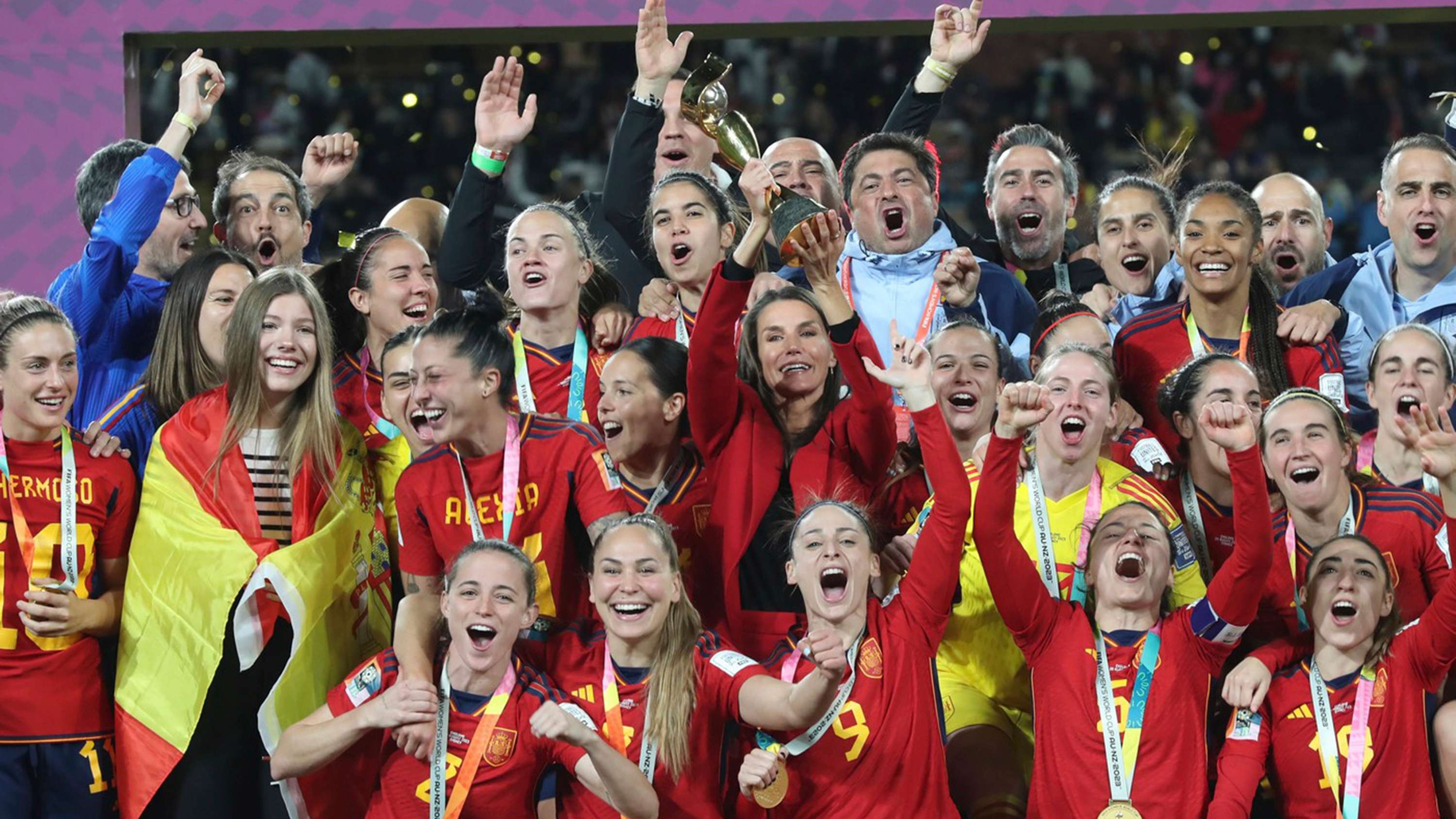

Spain Extend Their Lead in the FIFA Women’s World Ranking
Spain have strengthened their hold on first place in the latest FIFA Women’s World Ranking, adding further authority to their status as one of the leading forces in international women’s football. A successful double-header against the United States gave the Spanish side valuable results against elite opposition and helped widen the gap at the top of the standings.
The latest update also brings major movement elsewhere. Malawi have made an unprecedented rise after a historic continental campaign, while Denmark have returned to the top 10 for the first time in 16 years. Together, the changes underline how quickly the international landscape can shift as teams build momentum through competitive fixtures and tournament performances.
Spain’s Results Against the United States Strengthen Their Position
Spain’s position at the summit reflects more than a strong run of form: it highlights the team’s ability to deliver against opponents with deep international experience. The two-match series against the United States offered a demanding test, with both sides bringing tactical quality, athleticism and high expectations to the pitch.
For Spain, success in that double-header provided an important ranking boost and another measure of progress against a traditional heavyweight. The team’s recent rise has been supported by a technically accomplished style, confident possession and a growing ability to manage high-pressure moments. Those qualities have helped Spain establish itself as a consistent contender rather than a side relying on isolated results.
The ranking is not a prediction of the outcome of any future match. It is a snapshot of performance across a broader period, shaped by results and the strength of the opposition. Still, holding first place can reinforce a team’s confidence and raise expectations ahead of upcoming international windows and major competitions.
Why the FIFA ranking matters
For supporters, the rankings offer a useful way to follow the changing balance of power in women’s football. They can also provide context when assessing a team’s progress, although they should be considered alongside recent form, squad availability, coaching changes and tournament conditions. A high position signals sustained achievement, but it does not guarantee success in a single fixture.
Malawi Make a Historic Climb
One of the most striking stories in the latest update is Malawi’s unprecedented surge up the standings. The rise follows a historic continental run that brought the team into wider focus and demonstrated the growing competitiveness of women’s football across Africa.
A major tournament campaign can have a lasting effect on a national side. Strong performances provide players with experience against varied opponents, help build belief within the squad and attract greater attention to the team’s development. For Malawi, the ranking jump offers official recognition of a breakthrough period and the progress achieved on the continental stage.
The challenge now is to turn that momentum into sustained improvement. Maintaining a higher position requires continued opportunities to play, preparation for different styles of opposition and investment in the wider football pathway. Regular competitive fixtures can help players build cohesion and ensure that a memorable tournament run becomes the foundation for future results.
Malawi’s progress also carries significance beyond the numbers. A visible rise in the rankings can inspire young players, strengthen public interest and encourage further support for the women’s game. In that sense, the team’s achievement is both a sporting milestone and a powerful statement about the potential of emerging football nations.
Denmark Return to the Top 10 After 16 Years
Denmark have also reached a notable milestone, returning to the FIFA Women’s World Ranking top 10 for the first time in 16 years. The achievement marks a welcome return to the upper tier for a team with a long tradition in European football.
Reaching the top 10 again reflects the value of consistent results over time. It suggests that Denmark have been able to compete effectively across recent international fixtures and re-establish themselves among the world’s strongest sides. For players and supporters, the milestone is a clear sign of progress and a reason for renewed optimism.
However, a place among the leading teams also brings fresh demands. Denmark will be expected to maintain their level against high-ranked opponents and show that their return is more than a temporary movement in the standings. Upcoming matches will provide an important test of whether the team can consolidate its position and continue closing the gap on the very top sides.
A Ranking Update That Reflects a Changing Game
The latest FIFA update presents three distinct stories: Spain reinforcing its leadership, Malawi making a landmark leap and Denmark ending a long wait to re-enter the top 10. These developments show how international women’s football is evolving, with established powers facing increasingly competitive challenges and emerging teams gaining recognition through strong performances.
For fans following results, rankings and match prediction discussions, the changes offer plenty to consider. Spain’s position makes them a natural focus in previews of future fixtures, but rankings alone cannot determine what happens on match day. Tactical choices, player fitness, home advantage and the quality of preparation can all influence a contest.
Malawi’s rise and Denmark’s return are reminders that progress can take different forms. One team has produced a historic continental breakthrough; another has steadily climbed back into an elite group. Both stories add depth to the current football conversation and show why international rankings remain compelling to follow.
What Comes Next for the Leading Teams?
Spain will aim to protect their place at the top as they face further tests against the world’s best. Malawi will look to build on their continental success and translate their new visibility into continued development. Denmark, meanwhile, will seek to prove that their top-10 return can be sustained through the next cycle of international competition.
The next ranking update will reveal whether these gains hold, but the broader message is already clear: women’s football is becoming more competitive, more geographically diverse and increasingly difficult to predict. That makes every international window important—not only for the points on offer, but also for the confidence, experience and momentum that can shape a team’s future.