
South Africa Seek a More Resilient Batting Response After Australia Test Defeat
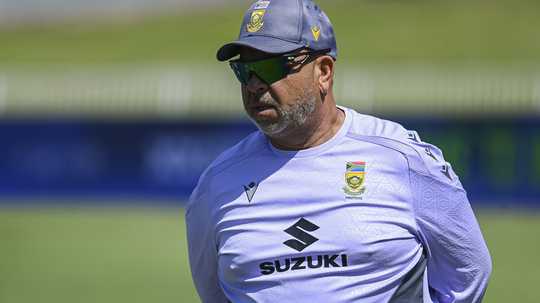
South Africa’s 214-run defeat to Australia at Kingsmead has left coach Shukri Conrad with a clear message for his batters: Test cricket demands patience, discipline and an unwavering willingness to stay at the crease. After watching his side lose control of the match through a series of hurried dismissals, Conrad summed up the quality he wants in a phrase of his own invention: “singlebloodymindedness.”
The expression combines two familiar ideas. A single-minded batter can concentrate on the task in front of them, while a bloody-minded one refuses to give in. Against a formidable Australian attack, Conrad believes South Africa need both qualities—especially when the match situation is demanding and quick runs are not the priority.
Markram’s Long Stay Shows the Value of Patience
Aiden Markram offered the clearest example of the approach Conrad wants to see. In South Africa’s second innings, the opener spent almost six hours at the crease, facing 237 balls to make 75. His innings was not spectacular, but it was the longest and most determined effort in the home side’s attempt to save the Test.
Wiaan Mulder was the next most persistent batter, occupying the crease for more than two hours. Beyond those two, only David Bedingham lasted longer than an hour, and only Markram and Mulder faced more than 100 deliveries. Those numbers illustrate the challenge facing South Africa: too many batters were unable to turn starts into meaningful resistance.
The damage was particularly severe on the third day. South Africa lost Markram, captain Temba Bavuma and Bedingham in the space of 9.3 overs, adding just 15 runs during that collapse. Their final six wickets fell for 129, leaving Australia in command. Even the dismissals raised questions about shot selection, with several batters appearing to take unnecessary risks when the situation called for restraint.
Conrad Sees a Mental Challenge as Well as a Technical One
Conrad acknowledged that some of the decision-making was frustrating, joking with reporters when asked whether he and batting coach Ashwell Prince were pulling their hair out. Both coaches, along with bowling coach Piet Botha, are bald—but behind the humour was a serious assessment of South Africa’s performance.
Conrad grouped dismissals into three broad categories: technical, tactical and mental. In his view, many of South Africa’s mistakes against Australia belonged in the mental category. That does not necessarily make them easy to correct. Pressure, the importance of the occasion and an intense desire to succeed can all influence a batter’s choices, particularly when the opposition is applying sustained pressure.
For supporters studying the series and making a cricket prediction about the next Test, South Africa’s response to that pressure may prove more significant than any single change in the batting order. The team has to show it can absorb difficult periods, build partnerships and avoid turning a challenging situation into a collapse.
Limited Test Cricket May Be Contributing to the Problem
Conrad also raised the possibility that South Africa’s lack of recent Test cricket contributed to their uneven performance. Their previous Test had been played almost 11 months earlier in Guwahati, while their last home Test before the Australia match was more than 18 months ago.
Australia had also experienced a gap between Tests, but had played six matches during the period in which South Africa played none. Regular competition gives players more opportunities to adjust to the demands of the format, test combinations and learn from mistakes. A long break can make it harder to regain the rhythm required for five-day cricket, particularly for batters who need to judge when to defend, leave or attack.
Still, Conrad was wary of using inactivity as an excuse. He said South Africa should not be afraid of making mistakes, but must make selection and tactical decisions carefully. The challenge is to improve the side without reacting impulsively. As Conrad put it, every potential change should make the “boat go faster,” rather than disrupt a team unnecessarily.
Selection Stability and Player Roles Under Scrutiny
South Africa’s batting combinations have shifted frequently during Conrad’s time in charge. Across his first 22 Tests as coach, the team used five different players at No. 3, eight at No. 5 and eight at No. 6, excluding two matches in New Zealand in 2024 when a weakened squad was sent because of SA20 commitments.
Several players—including Bedingham, Ryan Rickelton and Tristan Stubbs—have occupied all three positions, while Tony de Zorzi, Mulder and Dewald Brevis have been used in two. Some flexibility is understandable, especially for a team that plays relatively few Tests. But frequent changes can make it difficult for players to settle into a role and develop the confidence that comes with knowing what is expected of them.
South Africa’s status as the reigning World Test Championship winners also raises the stakes. They need a strong run of results in their remaining matches to put themselves in a secure position for next year’s final. That pressure makes it important to balance experimentation with continuity—a consideration likely to shape both team selection and any cricket prediction for the next contest.
Rabada’s Fitness Could Shape the Second Test
The absence of fast bowler Kagiso Rabada was another major factor in the Kingsmead defeat. Conrad described him as South Africa’s “Rolls-Royce” fast bowler and admitted that losing him meant the team had to assemble an attack without its leading pace threat.
South Africa have also been dealing with a run of hamstring injuries affecting Lungi Ngidi, Kwena Maphaka, Ottneil Baartman and Lutho Sipamla. Rabada’s potential return for the second Test at St George’s Park could therefore provide a significant boost, although his availability remained uncertain after the first match. Conrad expressed hope that his star bowler would be fit, while indicating that changes elsewhere were also possible.
Uncapped Marques Ackerman appeared to be among the players in contention for an opportunity. De Zorzi, Corbin Bosch and Senuran Muthusamy were also in the squad, although De Zorzi’s own fitness was in doubt. South Africa were expected to provide a squad update before the next match, leaving room for both injury-related and selection decisions.
Why South Africa Should Avoid Panic
Despite the heavy defeat, Conrad insisted that the result was neither a calamity nor a reason to question everything the team had achieved. South Africa have lost five Tests during his tenure, but their response to previous setbacks suggests that a measured approach may be more effective than sweeping changes.
After losing to Pakistan in Lahore in October 2025, South Africa made limited adjustments for the following match in Rawalpindi. Keshav Maharaj returned from injury, while Marco Jansen replaced Mulder. The team then won by eight wickets. That example offers a reminder that recovery does not always require a complete overhaul.
The immediate task is clearer than the selection debate: South Africa must bat with greater composure, make better decisions and find a way to withstand Australia’s pressure. Markram has shown what a long, disciplined innings can look like. Now Conrad wants the rest of the batting order to match that resolve—and to bring their own version of “singlebloodymindedness” into the next Test.