
Kevin De Bruyne’s Defining Night: How Manchester City Reached Their First Champions League Semi-Final
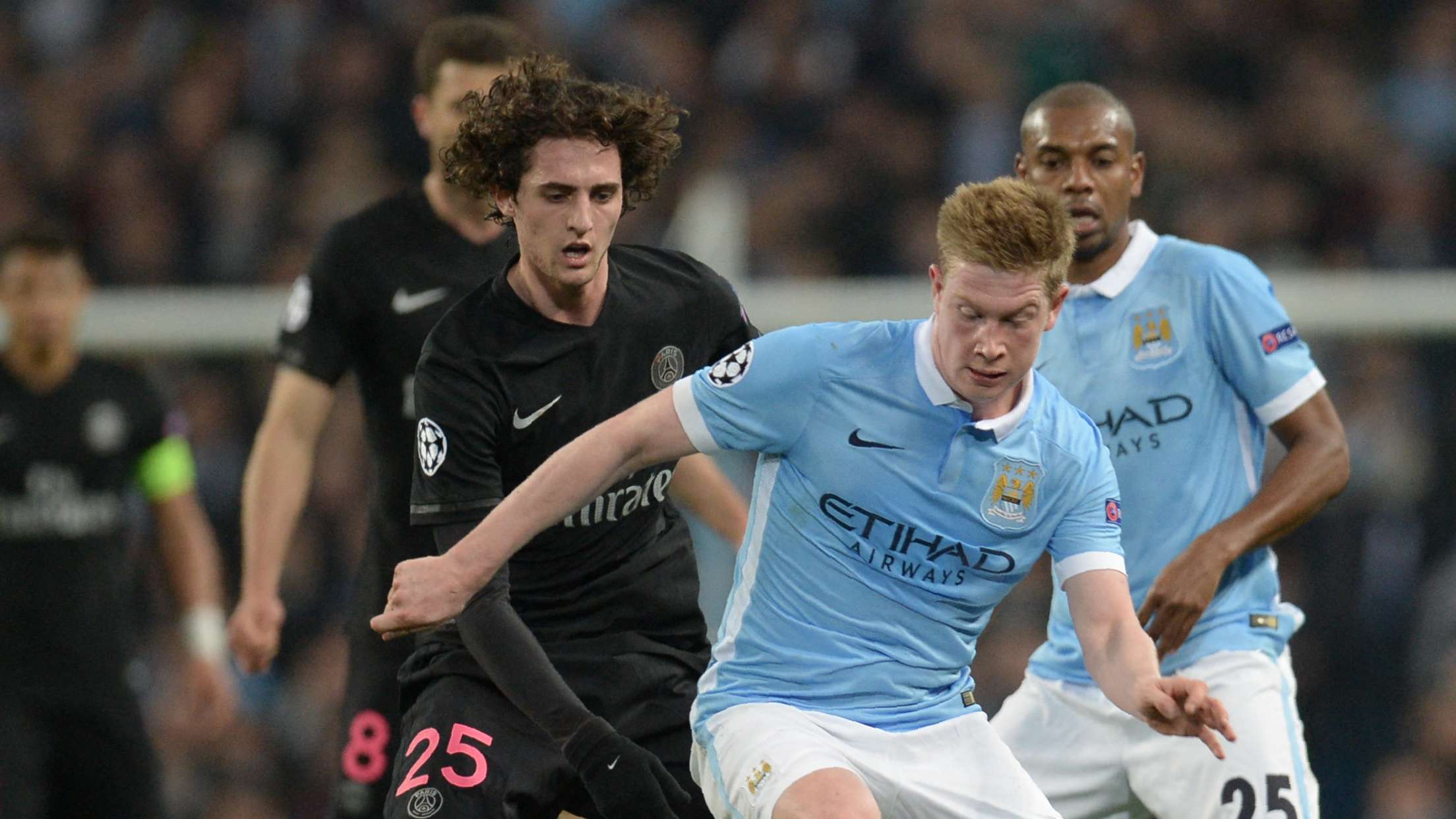
Manchester City’s 2016 Champions League quarter-final against Paris Saint-Germain was a turning point for the club—and a defining European performance for Kevin De Bruyne. In a tense second leg at the Etihad Stadium, the Belgian midfielder delivered the decisive moment, helping City secure a 1-0 victory and progress to the semi-finals for the first time in their history.
The result completed a 3-2 aggregate win after a dramatic 2-2 draw in Paris. It also offered a glimpse of the player De Bruyne would become: a composed, inventive force capable of changing a major match with a single action. PSG arrived with Zlatan Ibrahimović and a reputation for attacking firepower. City, meanwhile, faced a different challenge: proving they could manage pressure, stay tactically disciplined and deliver when European progress was on the line.
A Quarter-Final Loaded With Pressure
In April 2016, City were still seeking the continental credibility enjoyed by Europe’s established powers. Their domestic success had raised expectations, but the Champions League demanded a different kind of consistency. The first leg in Paris had been an open, unpredictable contest, with both sides scoring twice. That left the tie delicately balanced and made the return match a test of nerve as much as technical quality.
For PSG, the objective was clear: score and put the pressure back on City. Ibrahimović was the headline threat, supported by attackers capable of exploiting space quickly. City had to avoid being drawn into a frantic exchange. A cautious approach could limit PSG’s counterattacks, but too much caution risked surrendering control of the game.
The hosts therefore needed to strike a balance. They had to protect their defensive shape while finding ways to move the ball forward and involve De Bruyne in dangerous areas. The match became a contest of patience, positioning and decision-making—qualities that are often overlooked when football analysis focuses only on goals and spectacular individual moments.
De Bruyne’s Moment of Quality
The decisive breakthrough arrived in the 38th minute. De Bruyne found space outside the PSG penalty area and sent a precise, curling shot beyond goalkeeper Kevin Trapp. It was a goal built on timing and technique: he recognised the opening, set himself quickly and placed the ball with enough accuracy to beat the goalkeeper.
The strike changed the shape of the tie. City moved ahead on aggregate, while PSG suddenly needed a goal to restore their position. De Bruyne’s finish was more than an example of individual brilliance; it rewarded City’s ability to remain composed in a match where one mistake or moment of inspiration could determine the outcome.
That distinction matters when considering any football prediction about a high-stakes knockout match. Statistics, line-ups and tactical patterns can help frame expectations, but a single action can overturn the forecast. De Bruyne’s goal showed how elite players create decisive moments even when the overall contest is tight and chances are limited.
How City Managed the Tactical Battle
After taking the lead, City had to resist the temptation to defend too deeply. PSG pushed forward, looking for openings and trying to bring Ibrahimović into the game. The Swedish striker remained a constant concern because of his size, technical skill and ability to threaten both in the air and on the ground. But City’s defensive work reduced the space available to him and made it harder for PSG to build attacks cleanly.
Rather than treating the match as a simple duel between De Bruyne and Ibrahimović, it is more useful to see it as a battle between two different kinds of influence. Ibrahimović represented PSG’s focal point in attack; De Bruyne offered City a link between midfield and the forward line, as well as the capacity to produce a goal from outside the box. City’s collective organisation helped limit PSG’s routes forward, while De Bruyne supplied the moment that separated the teams.
City also benefited from staying alert to the second phase of attacks. When PSG advanced, the hosts needed to win loose balls and prevent repeated pressure around their box. Those small contests helped City protect their advantage. In a knockout tie, defensive concentration is not merely about stopping shots; it is also about denying opponents the chance to build one attack after another.
Why the 2016 Win Mattered
The final score was 1-0, but the significance stretched far beyond the result. Manchester City had reached the Champions League semi-finals for the first time, marking a milestone in their development as a European contender. The achievement did not instantly settle every question about the club’s standing, but it gave City a landmark result to build on and demonstrated that they could navigate a high-pressure tie against a formidable opponent.
For De Bruyne, the night strengthened his reputation as a player for major occasions. His contribution was not defined by constant possession or a stream of chances. Instead, he delivered when the match required clarity and precision. That ability—to read a situation, find a pocket of space and execute decisively—would become a central part of his identity at City.
The match also offered a useful reminder about the evolution of modern midfield play. Creative midfielders are expected not only to pass and create but also to move intelligently, press at the right moments and contribute directly to the scoreline. De Bruyne’s performance captured that broader role. His goal was the headline, but his value lay in how he connected City’s approach play with its attacking threat.
A Landmark in City’s European Story
Manchester City’s victory over PSG remains a memorable chapter in the club’s Champions League history. It combined the tension of a close aggregate contest with the quality of a decisive individual finish. City had to withstand pressure, manage the match’s rhythm and trust their structure; De Bruyne supplied the moment that made the difference.
Looking back, the game feels like more than a successful quarter-final. It was evidence that City could compete with Europe’s leading teams when discipline and talent came together. For supporters revisiting the match, the enduring image is De Bruyne’s curling strike—but its full meaning lies in the work around it: a team staying organised, an opponent searching for answers, and a rising star announcing himself on one of the biggest stages in football.