
Men’s College Soccer’s Two-Semester Plan Faces a Major Setback
A landmark proposal to move men’s college soccer to a two-semester competition model could be headed for a surprising reversal. Sources told GOAL that enough schools are expected to vote against the plan, potentially undoing an earlier approval and leaving college football’s soccer community uncertain about what comes next.
The proposal was designed to reshape the college soccer calendar, spreading competition across both academic semesters rather than concentrating much of the season into a shorter fall schedule. Supporters saw the change as an opportunity to give student-athletes more time to train and compete, while also creating a structure that could better accommodate player development. But the expected opposition suggests that agreement on the idea’s potential benefits has not translated into lasting support for implementation.
Why the Two-Semester Model Matters
College soccer’s calendar influences far more than the dates of matches. It affects how players balance academics and sport, how coaches plan training, and how programs manage travel, recovery and recruitment. A two-semester format would represent a substantial change to the rhythm of the season, with consequences for athletes, universities and the wider soccer ecosystem.
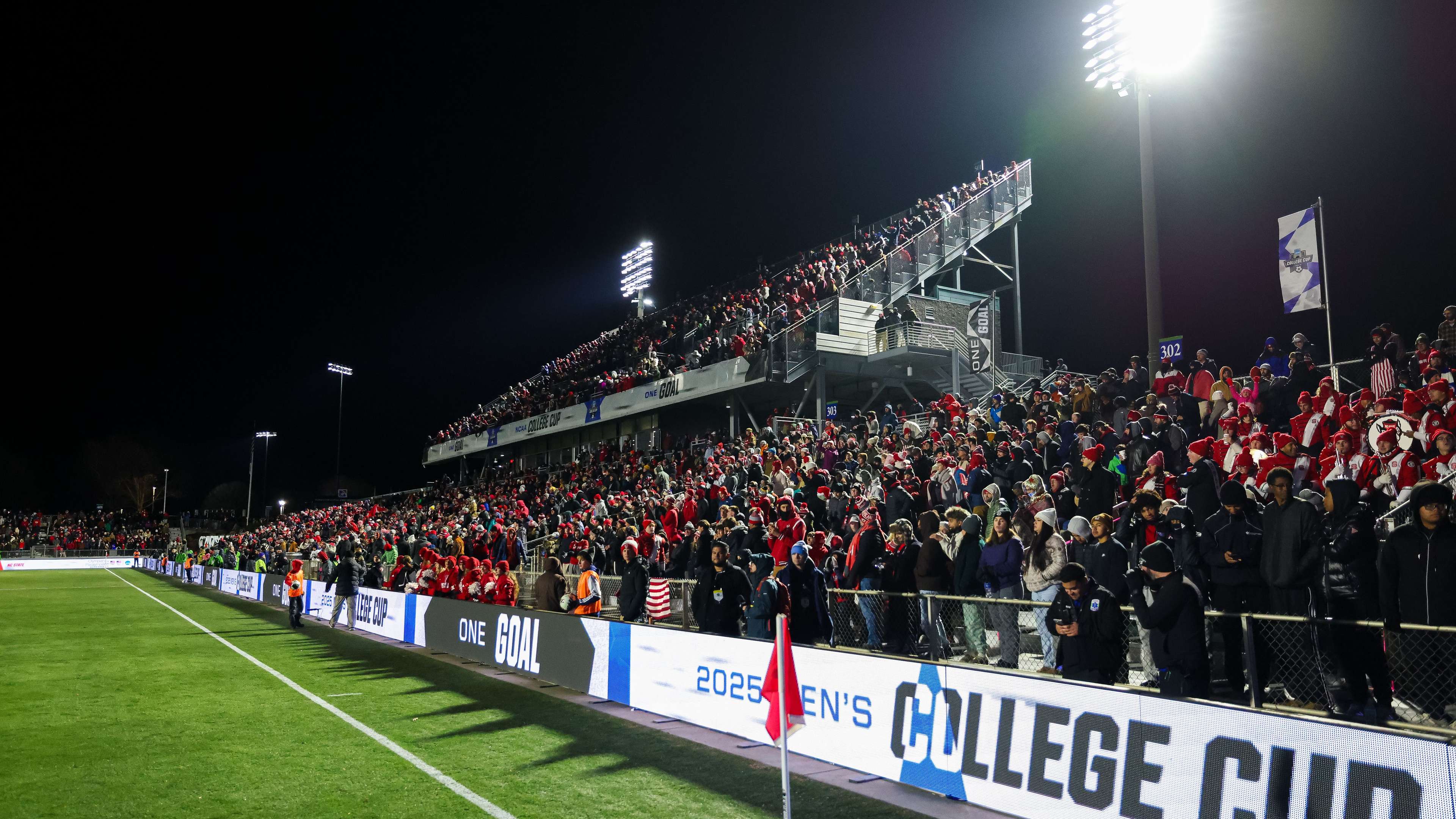
Under the current structure, men’s college soccer is largely concentrated in the fall. That arrangement can create a demanding stretch of fixtures, particularly for teams navigating conference play, travel and postseason competition within a limited window. A longer model could, in theory, distribute matches and training more evenly throughout the academic year. Advocates may also argue that additional playing time could help athletes continue developing in a competitive environment.
However, a longer calendar would require schools to reconsider how they allocate facilities, coaching resources and student-athlete time. It could also affect how college programs coordinate with professional clubs, youth teams and other competitions. The appeal of a broader season therefore comes with practical questions that administrators must resolve before a major reform can work smoothly.
Expected Opposition Raises Questions About the Vote
The latest report points to a growing likelihood that enough schools will oppose the proposal to overturn its previous approval. That possibility is striking because the plan had already cleared an earlier stage of the decision-making process. A reversal would signal that support for the reform may have weakened as institutions considered its operational demands and potential effects on their programs.
The reported vote outcome remains a prediction rather than a confirmed final decision. Until the relevant schools complete the process and an official result is announced, the proposal’s status should be treated as uncertain. Still, the expectation of sufficient opposition has already put the future of the two-semester concept under scrutiny.
For coaches and players, the uncertainty is significant. Programs need to plan seasons well in advance, including schedules, training periods, recruiting visits and academic commitments. A major calendar change requires enough notice for schools to adjust. If the proposal is rejected or sent back for revision, administrators may need to clarify whether the existing format will remain in place, whether a modified plan could return, or whether the issue will be reconsidered later.
What Schools May Be Weighing
Schools considering the proposal are likely to assess both the potential gains and the costs of changing the season. A two-semester structure could offer more opportunities for development and a less compressed competition schedule. It might also give college soccer a different presence across the academic year, potentially helping the sport attract attention beyond its traditional fall window.
At the same time, extending competition could place added pressure on students who already balance classes, exams, travel and training. The academic calendar is not uniform across every institution, and a format that works for one school may be difficult for another. Universities would also have to consider staffing, field availability, medical support and the financial impact of additional activity.
Travel is another important factor. More games or a longer season could mean more time away from campus, especially for teams whose conference schedules involve long distances. Schools may need to determine whether a new format would improve athlete welfare overall or simply shift the workload into a different part of the year.
Potential Effects on Player Development
Player development is central to the debate. A longer competition period could provide athletes with more regular opportunities to test themselves in matches, apply coaching feedback and build experience. That may be particularly valuable for players seeking to improve their prospects at higher levels of the game.
Yet more competition does not automatically mean better development. Training quality, recovery, coaching and academic balance all matter. If a longer season leads to fatigue or reduces time for focused practice, the benefits could be less clear. The challenge for decision-makers is to design a calendar that supports meaningful development without placing unreasonable demands on student-athletes.
The change could also influence how college programs fit into the broader football landscape. Professional clubs and other development pathways operate on their own schedules, and college coaches must consider how those calendars affect recruiting and player availability. Any new model would need to account for these relationships rather than treating the college season as an isolated system.
What Happens If the Proposal Is Overturned?
If enough schools vote against the plan, the immediate result could be a return to the current season structure. But an unsuccessful vote would not necessarily end discussion about reform. The debate has highlighted concerns about scheduling, player welfare and the role of college soccer, issues that are likely to remain relevant even if this particular proposal fails.
Administrators could revisit the idea with adjustments, seek additional feedback from coaches and athletes, or explore smaller changes that address specific problems without moving the entire season to a two-semester format. Any revised proposal would need to explain how it would handle academic responsibilities, travel, facilities and competition schedules in practical terms.
For now, the most important question is whether the reported opposition becomes an official result. Until that happens, players, coaches and fans should avoid treating a reversal as certain. The vote could determine whether college soccer enters a new era or continues under its familiar calendar, but either outcome is likely to shape future conversations about how the sport can best serve student-athletes.
A Defining Moment for College Soccer
The potential defeat of the two-semester plan would be a major development for men’s college soccer, especially after its earlier approval. It would show that ambitious reform requires more than a compelling vision: schools must also be convinced that the details are workable across a diverse range of programs.
As the vote approaches, the outlook remains uncertain. The prediction of enough opposition has put the proposal in jeopardy, but the final decision will determine whether the calendar changes or the debate continues in another form. Either way, the discussion has brought renewed attention to the balance between competition, development and the academic commitments at the heart of college football’s soccer programs.