
Jan-Carlo Simic Says Individual Errors Cost Al-Ittihad in Al-Hilal Clasico Defeat
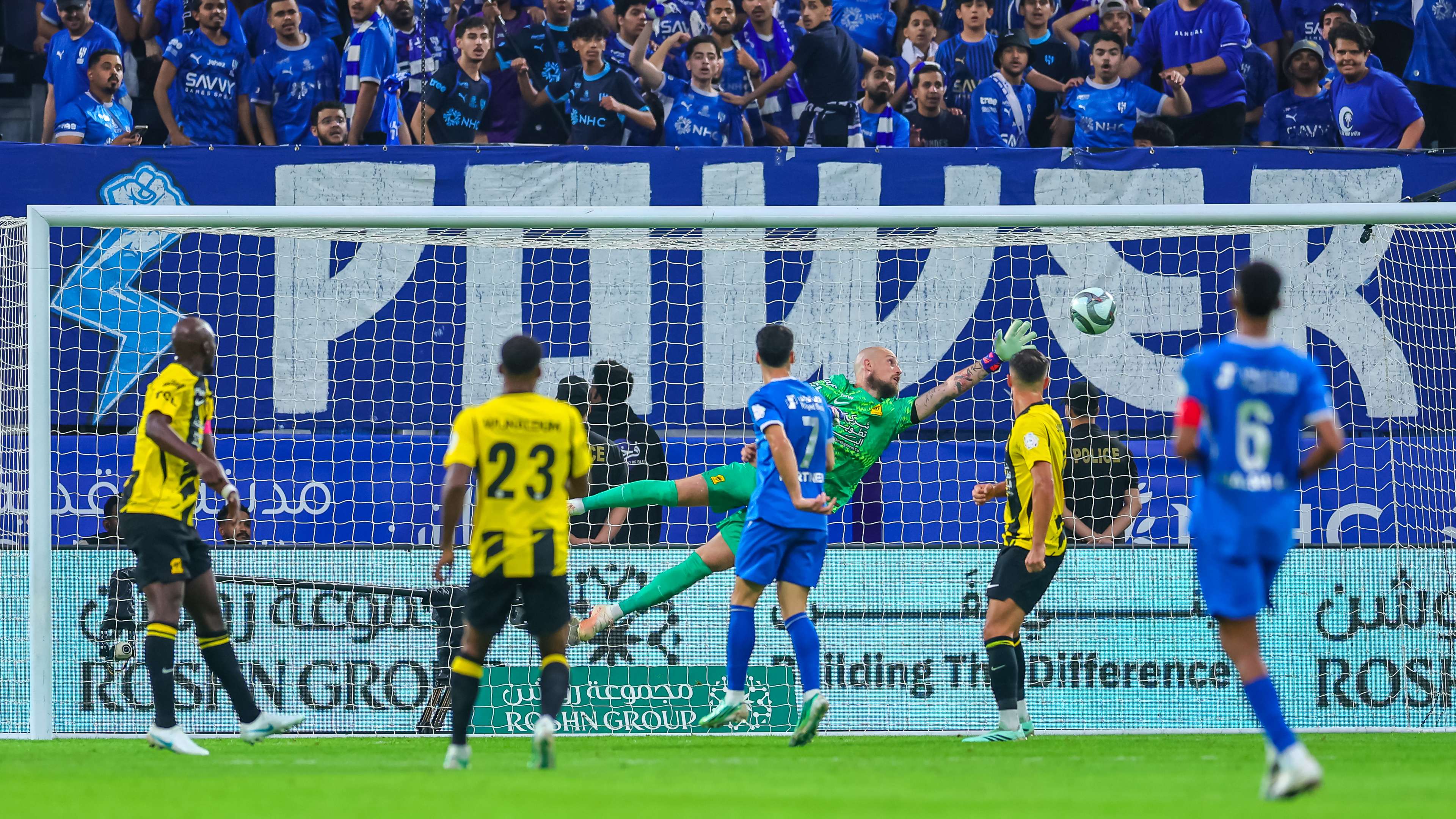
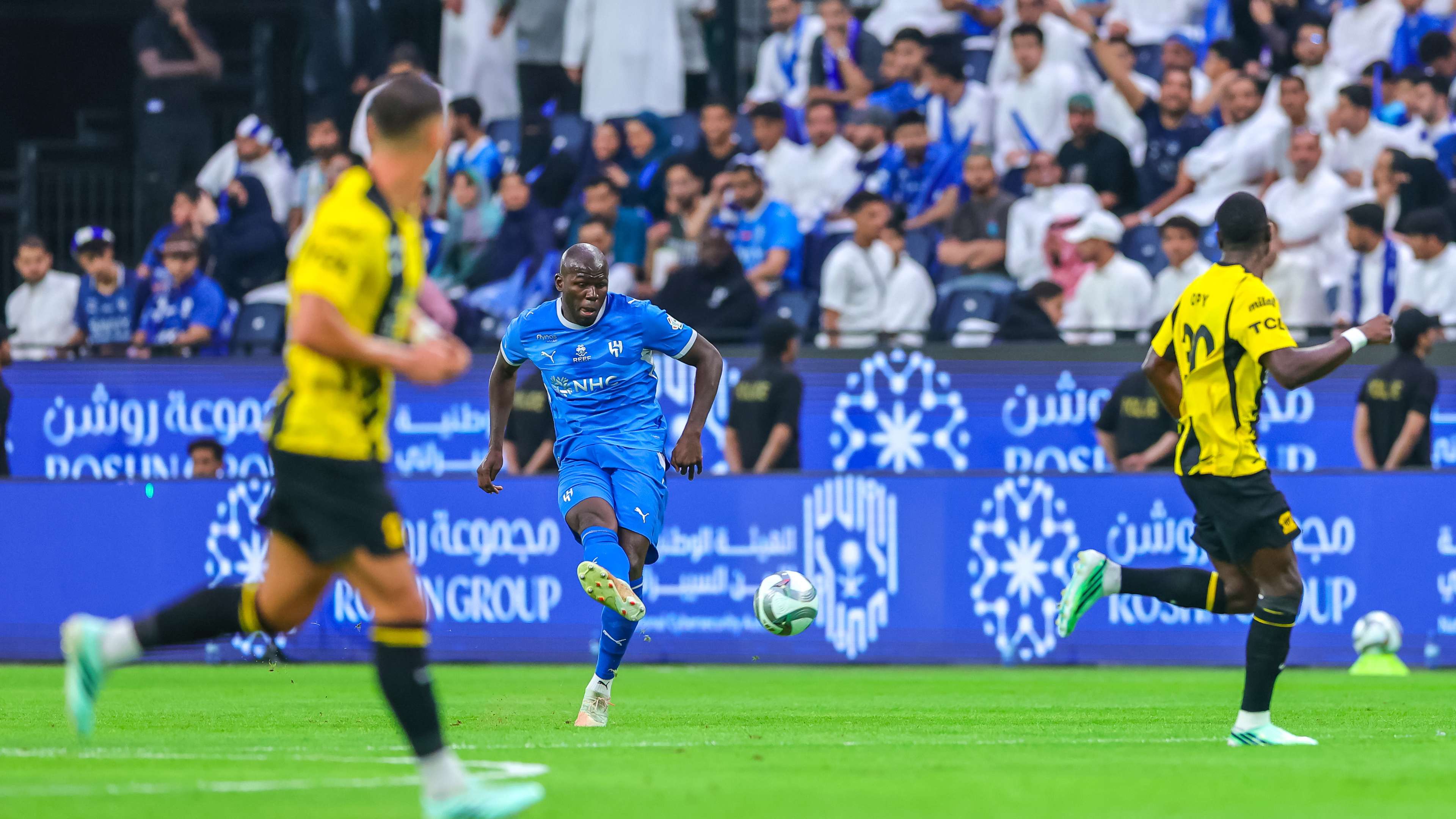
Al-Ittihad defender Jan-Carlo Simic believes avoidable individual mistakes proved decisive in his team’s 3-2 defeat to Al-Hilal in the Saudi Pro League’s eighth-round Clasico. The Serbian centre-back acknowledged the disappointment of losing one of Saudi football’s biggest fixtures but insisted the result would not define Al-Ittihad’s season.
The closely contested match offered little room for error, and Al-Hilal made the most of key moments to claim victory. For Simic, the outcome was a reminder that fine details can shape high-pressure games—particularly when two ambitious sides meet with points, pride and momentum at stake.
Simic: Small Details Decided the Saudi Clasico
Speaking after the match, Simic described the Clasico as one of the most significant fixtures in Saudi Arabia and across Asia. That status, he said, brings extra pressure for both teams. While Al-Ittihad wanted a different result, he accepted that his side had not done enough to prevent the defeat.
Simic pointed to individual errors as a major factor behind the goals Al-Ittihad conceded. Against a strong opponent such as Al-Hilal, he explained, even a brief lapse in concentration or a mistimed decision can have a major impact. Those moments can be difficult to recover from, especially in a match played at high intensity.
His comments did not amount to a rejection of the team’s overall approach. Instead, they highlighted the need for sharper execution. Al-Ittihad must review what went wrong, identify where defensive coordination or decision-making can improve, and turn those lessons into practical changes on the training ground.
Why Individual Errors Matter in High-Pressure Football
Matches between leading clubs are often decided by more than possession or attacking intent. Defensive positioning, communication between teammates and reactions to second balls can all influence the outcome. When the opposition is capable of punishing mistakes quickly, small breakdowns may become costly opportunities.
That is particularly true in a Clasico, where the pace and emotional intensity can rise well above a routine league fixture. Players must manage pressure while remaining disciplined, and teams need to stay organised even when momentum shifts. Simic’s assessment reflects a familiar reality in elite football: performance levels may be close, but the side that handles decisive moments better often leaves with the points.
For Al-Ittihad, the challenge now is to make the post-match analysis constructive. Reviewing goals conceded can help the coaching staff and players understand whether the problems came from individual decisions, collective shape or a combination of both. The aim is not simply to assign blame, but to reduce the chances of similar incidents in upcoming matches.
One Defeat Does Not Define Al-Ittihad’s Season
Despite the setback, Simic remained confident that Al-Ittihad can respond. The 21-year-old stressed that there are many matches still to play and plenty of opportunities to recover points and restore momentum. He said the team would continue working hard and remain committed to its wider ambitions.
That perspective is important in a long Saudi Pro League campaign. A Clasico defeat can carry significant attention, but the league is decided over a full season rather than one result. How a team reacts in the days that follow can be just as important as the performance that came before it. A focused response could help Al-Ittihad turn disappointment into a useful lesson rather than allowing it to affect confidence.
Simic’s message was therefore one of accountability without panic. Al-Ittihad must recognise where it fell short, but the defender does not believe the loss should derail the team’s plans. Maintaining belief, improving consistency and correcting the small details will be essential as the season continues.
Quick Recovery Needed Before the Next Fixtures
With further matches approaching, Al-Ittihad have little time to dwell on the result. Simic said the priority was to move on quickly, analyse the causes of the defeat, recover physically and prepare for the next game within two or three days. That short turnaround makes efficient preparation especially important.
Recovery will involve more than physical work. Players also need to reset mentally after an emotionally demanding contest and focus on the next challenge. Coaches may use video analysis to review the key sequences, while training sessions can reinforce defensive responsibilities and communication without overloading the squad.
The fixture list includes demanding continental football, with Al-Ittihad and Al-Hilal scheduled for AFC Champions League Elite action on October 14, 2026. The quick return to competition gives both clubs an immediate chance to shift their attention from the league Clasico to the next stage of their campaigns. For Al-Ittihad, that match will offer an early opportunity to show whether the team has absorbed the lessons Simic identified.
What the Defeat Means for the Next Al-Ittihad Prediction
Any prediction about Al-Ittihad’s next performance should take both sides of the Clasico into account. The 3-2 scoreline shows the team remained capable of competing in an attacking contest, but Simic’s comments underline concerns about defensive reliability and the cost of mistakes. The next match will provide a clearer indication of whether those issues can be addressed quickly.
Al-Ittihad’s prospects may depend on how effectively the defence stays compact, communicates under pressure and avoids giving opponents clear opportunities. At the same time, the team will need to preserve its attacking threat rather than becoming overly cautious in response to the loss. Finding that balance is a familiar challenge for clubs competing in domestic and continental competitions at once.
For now, Simic’s assessment offers a straightforward message to supporters: the defeat hurts, but the season is far from decided. Al-Ittihad have work to do, particularly in limiting individual errors, yet the defender believes the squad can recover through preparation and collective effort. Their response in the coming fixtures will determine whether the Clasico becomes a turning point—or simply one difficult result in a long campaign.