
Azzedine Ounahi Faces Long Layoff After Serious Thigh Injury
Morocco midfielder Azzedine Ounahi is expected to spend several months on the sidelines after medical tests confirmed a serious injury to his right thigh. The diagnosis is a major setback for the Panathinaikos player, who had made an encouraging start to the season and was becoming an important part of the Greek club’s plans.
An MRI scan conducted on Monday morning revealed a grade-three tear in the biceps femoris, one of the muscles at the back of the thigh. This is the most severe classification of muscle tear and typically requires a careful rehabilitation programme, with a gradual return to training and competition.
Recovery could take up to three months
Moroccan outlet Radio Mars, citing sources it described as close to Panathinaikos, reported that recovery from this type of injury could take between two and a half and three months. The precise timeline will depend on how Ounahi responds to treatment and rehabilitation, but the diagnosis points to a substantial absence rather than a short-term interruption.
For a footballer, a grade-three hamstring injury can affect more than sprinting speed. The biceps femoris plays a key role in acceleration, changing direction and controlling movement when a player slows down. Returning too quickly can increase the risk of aggravating the injury, so medical staff are likely to prioritise a cautious, staged recovery over a rushed comeback.
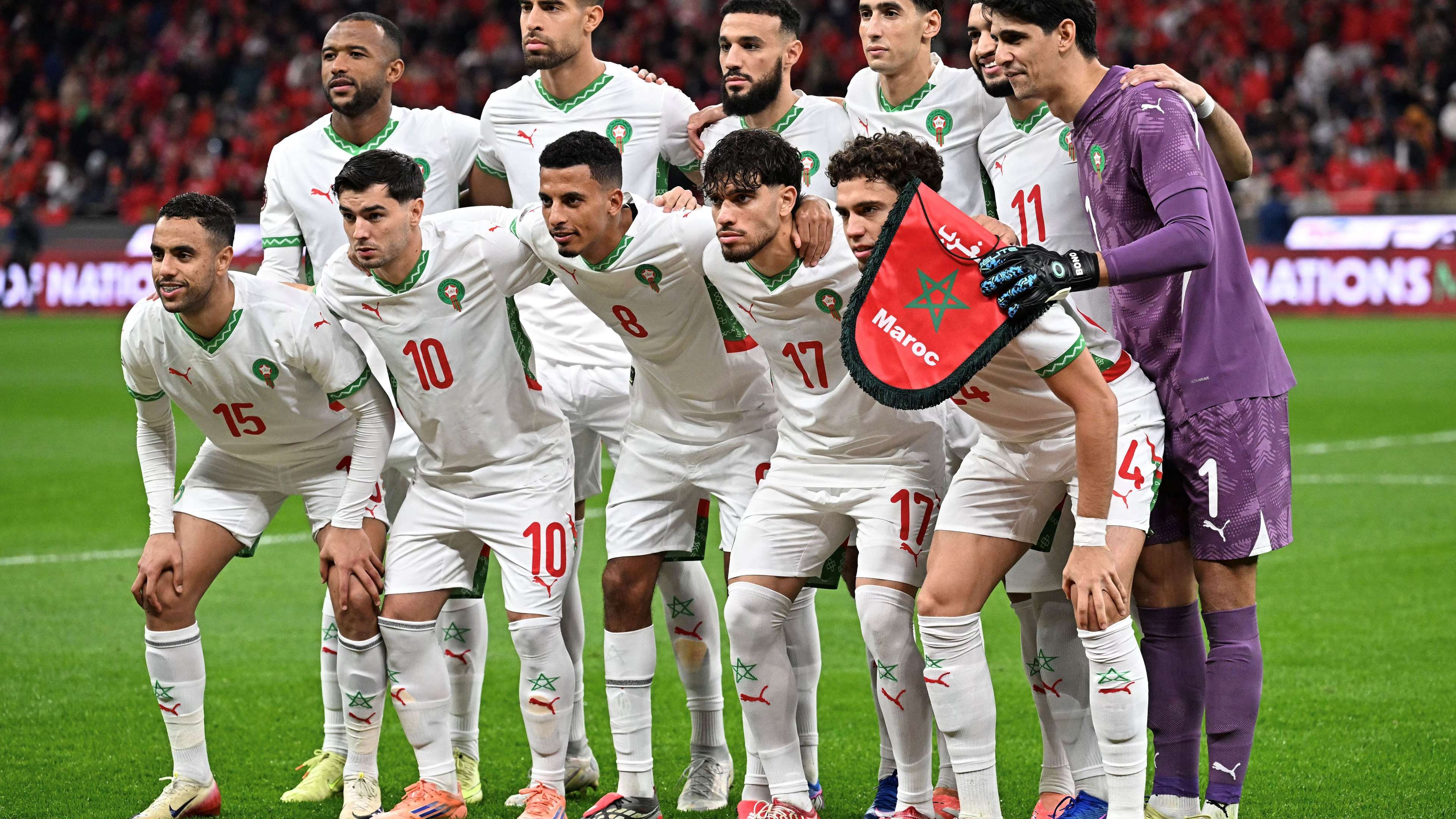
Ounahi will almost certainly miss Morocco’s next national-team camp and the two Africa Cup of Nations qualifying fixtures against Niger. The matches are scheduled for 13 and 17 November 2026 in Morocco as the national side continues its campaign to qualify for the 2027 tournament. His absence removes a technically gifted midfield option at a crucial point in the qualifying schedule.
Panathinaikos could lose him for 15 matches
The injury is also expected to disrupt Ounahi’s club season. Moroccan sports outlet Hesport, citing Greek website Green Corner, reported that he could miss 15 Panathinaikos matches between 22 October and 20 December. That run is expected to include eight Greek Super League games, two Greek Cup fixtures and five UEFA Europa Conference League matches.
The schedule gives the club little room to pause. Panathinaikos must balance domestic league ambitions with cup competition and European football, making the loss of a midfielder who can carry the ball forward and create chances particularly significant. His recovery will also be closely monitored as the club decides whether he can return before the end of the reported absence window.
One of the upcoming domestic fixtures listed for Panathinaikos is a Super League match against AEK on 25 October. Morocco’s qualifying programme, meanwhile, includes a match against Niger in November. With the two schedules overlapping, Ounahi’s injury means he is likely to miss both club and international football during a demanding stretch of the campaign.
Injury occurred during a 5-1 victory
Ounahi suffered the injury during Panathinaikos’ 5-1 league win over Asteras on Sunday. He was carried off on a stretcher, an unsettling sight for supporters in the stadium and for Moroccan fans following the match. The result was emphatic, but the midfielder’s departure quickly became the main concern surrounding the game.
The timing is especially disappointing because Ounahi had begun the season in promising form. He had scored three goals in eight appearances across all competitions, contributing an attacking threat from midfield while helping Panathinaikos build momentum. Those performances suggested he was settling into an influential role after joining the Greek side.
A setback for club and country
For Panathinaikos, Ounahi’s absence could mean reshaping the midfield, particularly in matches where the team needs a player capable of progressing possession under pressure. Coaches may turn to alternative combinations, but replacing his blend of close control, movement and forward passing will not be straightforward. The injury could also increase the workload on other midfielders across the league, cup and European fixtures.
Morocco face a different challenge. Ounahi has been part of a generation of players offering the national team technical quality and flexibility in the middle of the pitch. His absence against Niger may require a tactical adjustment or an opportunity for another player to step into the role. The scale of the impact will depend on the squad options available and the team’s approach to the two qualifiers.
Any prediction about Ounahi’s return date remains uncertain until Panathinaikos provide further medical updates. The reported two-and-a-half-to-three-month recovery period offers a broad estimate, not a guarantee. Progress through rehabilitation, strength testing and football-specific training will determine when he can safely resume competitive action.
For now, the priority will be a full recovery. Ounahi’s strong start had raised expectations among Panathinaikos and Morocco supporters, but a serious hamstring tear demands patience. If rehabilitation proceeds without complications, the midfielder will hope to return with enough time to contribute to the second half of the season and rejoin Morocco’s plans for the 2027 Africa Cup of Nations qualifying campaign.