
Al-Nassr’s Reported 800 Million Riyal Debt Raises Questions About the Club’s Future
Al-Nassr’s challenges may extend well beyond the football pitch. Reports from Saudi Arabia and the United States have drawn attention to the Riyadh club’s financial position, including an estimated debt of 800 million Saudi riyals and early-stage discussions about a potential change in ownership. If the reports prove accurate, the developments could reshape how the club is financed and governed—and potentially influence its ambitions in the Saudi Pro League and beyond.
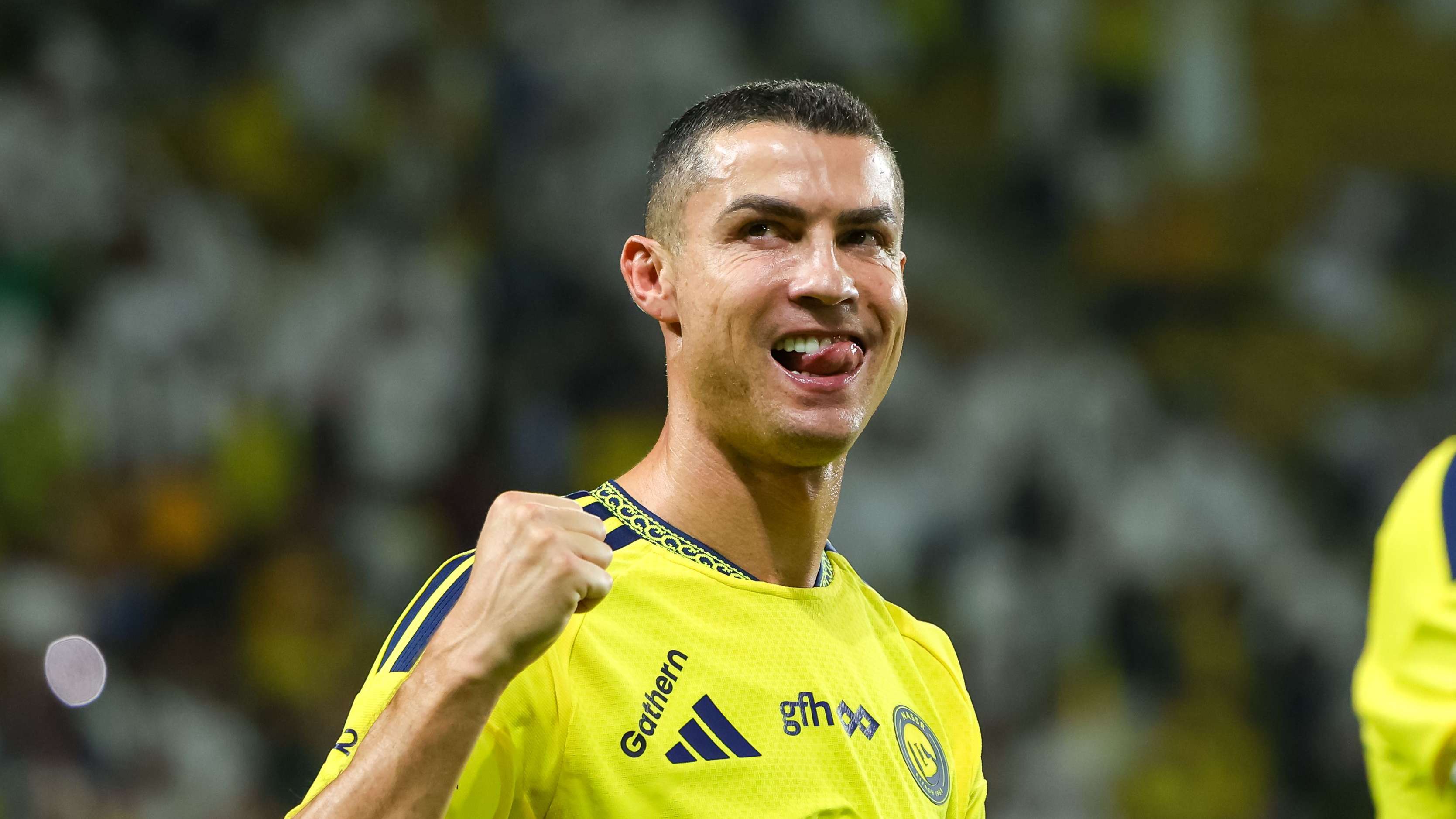
The speculation also places Cristiano Ronaldo in the spotlight for a reason beyond his performances. Reports and commentary have raised the possibility that the forward could take on a role as an investor, shifting from star player to a participant in the club’s future. No confirmed ownership agreement has been announced, however, and the reported talks remain preliminary.
Walid Al-Faraj Claims Al-Nassr’s Debts Are Near 800 Million Riyals
Saudi journalist Walid Al-Faraj has put the scale of Al-Nassr’s reported liabilities at approximately 800 million riyals. Speaking on his programme, Rotana Sport, he said the club’s debts are approaching that figure and linked the financial pressure largely to decisions made during the previous season.
Al-Faraj’s comments have intensified discussion about the club’s finances, but the figure should be treated as a reported estimate rather than a complete, independently verified breakdown. Publicly available details about the debt’s composition, repayment schedule and creditors remain limited. A clearer assessment would require information on outstanding transfer payments, operating costs, contractual obligations and any regulatory penalties or disputes.
Even so, a liability of this size would demand close attention from club executives and potential investors. In modern football, financial stability is not separate from sporting performance. Cash-flow difficulties can affect recruitment, wage commitments and the ability to meet obligations on time. They can also complicate long-term planning, particularly for a club competing for domestic honours while seeking a stronger profile in international competitions.
RedBird Capital Reportedly Discusses a Possible 70% Stake
A report by the US-based financial publication Semaphore has added another major development to the story. It says representatives of RedBird Capital, the investment group associated with ownership of AC Milan, have held discussions with Saudi Arabia’s Public Investment Fund about acquiring a 70% stake in Al-Nassr.
The proposed transaction has reportedly been valued at around one billion riyals. At that level, a deal could provide substantial new capital and, in theory, help address the debts attributed to the club. But a headline valuation does not mean that funds would automatically be used to clear liabilities. The final structure, conditions, financing arrangements and allocation of any investment would all matter.
Most importantly, the reported discussions are said to be at an early stage. There is no confirmed agreement, completed sale or official announcement establishing that RedBird will take control. Until the parties provide further details, the proposal remains a possibility rather than a settled outcome.
What a Change in Ownership Could Mean
If a major investment does proceed, the consequences could reach beyond a balance-sheet reset. A new controlling shareholder might introduce different financial controls, reporting standards and commercial priorities. That could include reviewing transfer spending, strengthening revenue streams and setting clearer limits on future commitments.
For supporters, the key question will be how a potential ownership change balances financial discipline with the ambition to build a winning team. A more sustainable model does not necessarily mean reduced investment. Instead, it can mean directing resources more carefully, ensuring recruitment fits a long-term plan and avoiding commitments that place unnecessary pressure on the club.
Any transaction would also need to account for the wider Saudi football landscape, where investment, governance and competition rules continue to attract attention. A significant deal would likely involve detailed due diligence and formal approvals, making it important to distinguish between early negotiations and a completed transfer of control.
Mohammed Al-Khuraiji and Cristiano Ronaldo Also Linked to Investment Talk
Other reports have suggested that Saudi businessman Mohammed Al-Khuraiji could join a potential investor group. These claims have not established the final make-up of any ownership structure, and no confirmed list of shareholders has been announced.
Ronaldo’s name has also entered the conversation. Analyst Mohammed Al-Anzi described the possibility in striking terms, saying that Ronaldo had arrived as a player, remained a supporter and could now be interested in becoming an owner. The remark reflects the speculation surrounding the forward, not confirmation that he has agreed to buy a stake.
Ronaldo’s global profile could make him an influential figure in any future commercial strategy, but ownership would involve responsibilities beyond public visibility. Investors must consider financial exposure, governance arrangements and the club’s long-term direction. For now, his potential involvement should be viewed as unconfirmed.
Al-Nassr’s Football Ambitions Meet a Financial Reality Check
The club’s immediate sporting focus remains important, and upcoming fixtures will continue to shape the conversation among supporters. Yet results alone cannot resolve concerns about debt, investment and governance. A strong run in the Saudi Pro League may lift confidence, while poor performances can intensify pressure, but financial reform requires decisions that extend beyond matchday.
That is why the reported situation could mark a turning point. Al-Nassr have built their profile around high expectations and prominent talent, but sustained success depends on more than star power. Recruitment, wage management, youth development, commercial income and transparent oversight all contribute to a club’s ability to compete over multiple seasons.
Al-Nassr Prediction: Governance Could Shape the Next Chapter
Any prediction about Al-Nassr’s future must remain cautious while the ownership reports are unconfirmed. If new investors enter and the reported debt is addressed through a credible plan, the club could gain greater financial stability and a clearer platform for sporting growth. If negotiations stall or liabilities prove harder to manage than expected, uncertainty could continue to influence planning and public confidence.
The most consequential outcome may not be the identity of a new owner, but the standards introduced under any new arrangement. Strong governance, realistic budgeting and transparent financial reporting would help Al-Nassr protect its football ambitions while reducing the risk of repeating costly decisions. For now, the reported 800 million riyal debt and possible billion-riyal investment remain claims under discussion—not a completed financial reset.