
Erik ten Hag Reveals Manchester United’s Pursuit of Frenkie de Jong
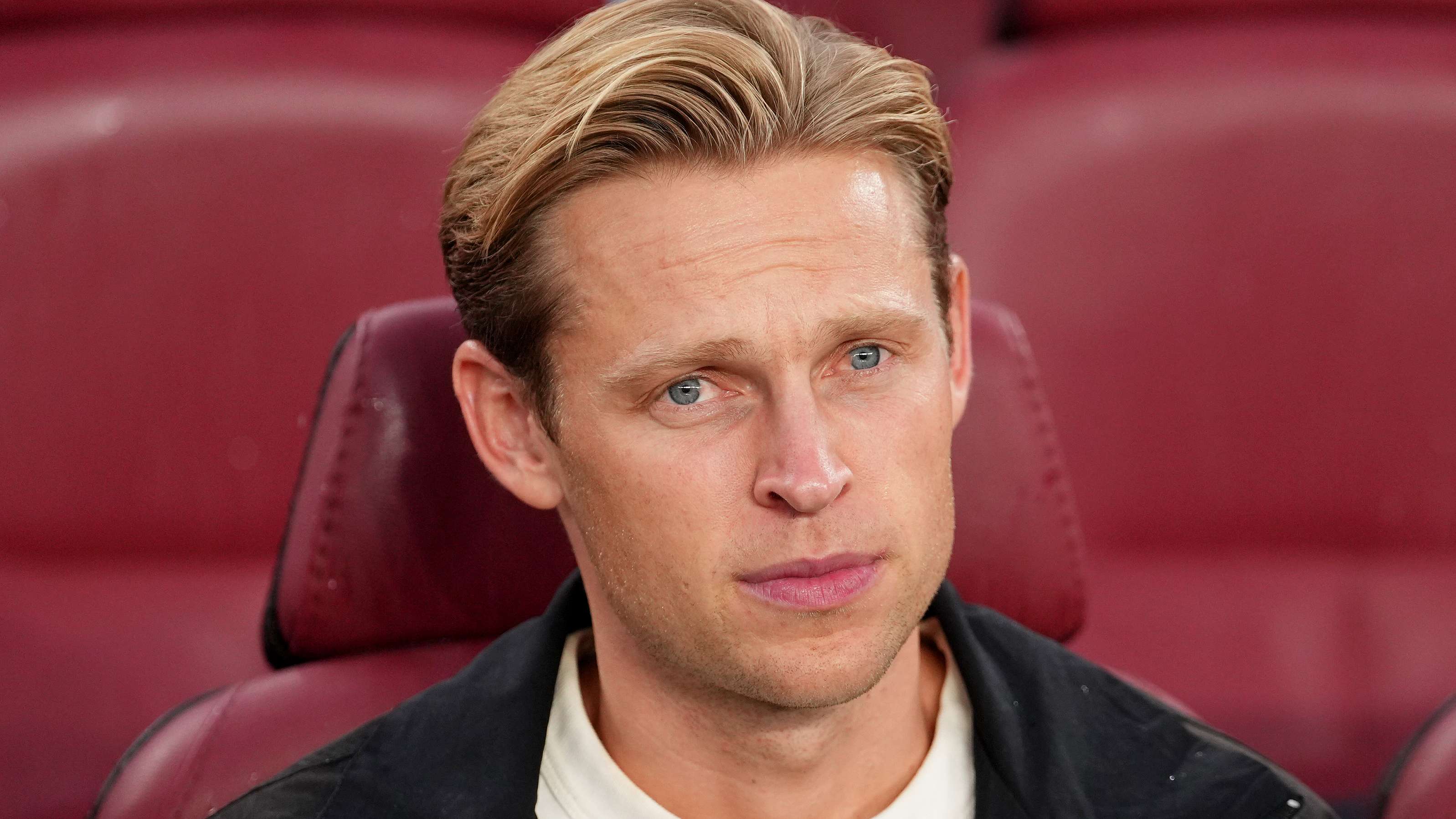
Erik ten Hag has revealed that Manchester United made repeated attempts to sign Frenkie de Jong during his time in charge at Old Trafford, but the midfielder could not be persuaded to leave Barcelona. In an interview with The Athletic, the former United manager also discussed other major targets he hoped the club would recruit, including Harry Kane and Declan Rice.
The comments offer a fresh look at United’s transfer ambitions during a turbulent period for the club. They also raise a familiar question for supporters: how might Ten Hag’s tenure have unfolded if some of his preferred signings had arrived? Any answer is necessarily a prediction rather than a certainty, but the players he identified help explain the kind of team he wanted to build.
Ten Hag Says He Held Multiple Talks With De Jong
De Jong was a central figure in Ten Hag’s successful Ajax side, where the pair worked together before the manager moved to Manchester in 2022. Their shared history made the Barcelona midfielder an appealing target as Ten Hag began reshaping United’s squad. The Dutch international’s technical ability, composure in possession and familiarity with the manager’s approach appeared to fit the football Ten Hag wanted his team to play.
According to Ten Hag, the pursuit involved more than a single approach. “I arranged many meetings with him and tried to persuade him, but it did not work,” he told The Athletic. Despite those efforts, De Jong remained at Barcelona, and a move to Old Trafford never materialised.
De Jong’s decision was significant because United were looking for greater control and creativity in central midfield. A player comfortable receiving the ball under pressure and progressing it through the lines could have offered a different profile from the options already available. Still, signing a high-quality midfielder does not automatically solve a team’s problems: recruitment, fitness, tactical balance and the performances of those around him all matter.
Harry Kane Was Ten Hag’s Preferred Striker
Ten Hag also named Harry Kane as his leading choice to strengthen United’s attack. The manager suggested that he had made his preference clear to the club, saying: “You know who I want. I only want one player.” He added that he understood Kane was “quite open to it too,” while acknowledging that he did not know why the transfer failed to happen.
Kane ultimately joined Bayern Munich, leaving United without the experienced centre-forward Ten Hag wanted. His record as a scorer and creator made him an attractive option: Kane could finish chances, bring teammates into play and provide a reliable focal point in attack. For a club seeking more consistent goals, that combination would have been especially valuable.
However, the transfer would have involved major financial and sporting considerations. A deal for an established international striker can shape a club’s budget for years, and success depends on more than the player’s individual quality. United would still have needed to create chances consistently and build an attacking structure capable of making the most of Kane’s movement and link-up play.
Declan Rice Was Another Key Target
Declan Rice was also high on Ten Hag’s recruitment list. The midfielder was then at West Ham United, who were reluctant to let their captain leave without an acceptable offer. Ten Hag said he felt United “did not do everything we could” to secure the England international.
Rice later joined Arsenal, where his energy, defensive awareness and ability to cover ground made him an important part of the midfield. His profile could have addressed several needs at Old Trafford, particularly the demand for a player capable of protecting the defence while contributing to the team’s build-up. As with the other names Ten Hag mentioned, though, it is impossible to know exactly how his arrival would have changed United’s results.
What the Transfer Targets Say About United’s Plans
Taken together, the three targets suggest that Ten Hag wanted to strengthen the spine of his team. Kane offered a proven goal threat, Rice could add power and security in midfield, and De Jong promised technical control and progression. Those roles address different problems, but they share a common theme: Ten Hag was seeking players who could help United compete more consistently at the highest level.
The gap between a manager’s preferred list and the players a club actually signs can be shaped by transfer fees, wages, timing, player decisions and competition from other teams. A club’s recruitment strategy also has to account for long-term squad planning, not simply the wishes of a manager in the moment. Ten Hag’s remarks therefore provide insight into his ambitions, but they do not by themselves explain every decision made during his tenure.
Ten Hag’s Manchester United Tenure in Context
Ten Hag took charge at Old Trafford in June 2022 after a successful period with Ajax. He won the EFL Cup and the FA Cup with United, but the club struggled to establish sustained momentum in the Premier League. His time as manager ended in October 2024.
The trophies remain notable achievements, yet United’s broader inconsistency kept attention on the squad, the team’s style of play and the club’s recruitment. Ten Hag has suggested that stronger backing from those above him might have made a difference. His account of the Kane, Rice and De Jong pursuits adds detail to that perspective, while also underlining how difficult it can be to turn transfer interest into completed deals.
Could Those Signings Have Changed United’s Future?
For supporters, the natural football prediction is that adding even one of these players might have improved United’s balance. Kane could have raised the team’s attacking output, Rice might have strengthened the midfield, and De Jong could have helped United retain possession and move the ball forward more effectively. But predicting a different outcome requires caution: injuries, adaptation, tactical choices and the form of the wider squad can all alter a player’s impact.
What is clear is that Ten Hag saw these signings as important pieces of his plan. His comments provide a behind-the-scenes glimpse of the recruitment ambitions that did not come to fruition—and a reminder that the success of a manager’s project often depends not only on the football played on the pitch, but also on whether the right players can be brought through the door.