
Morocco vs Senegal: Could the CAS Ruling on the AFCON Final Still Be Appealed?
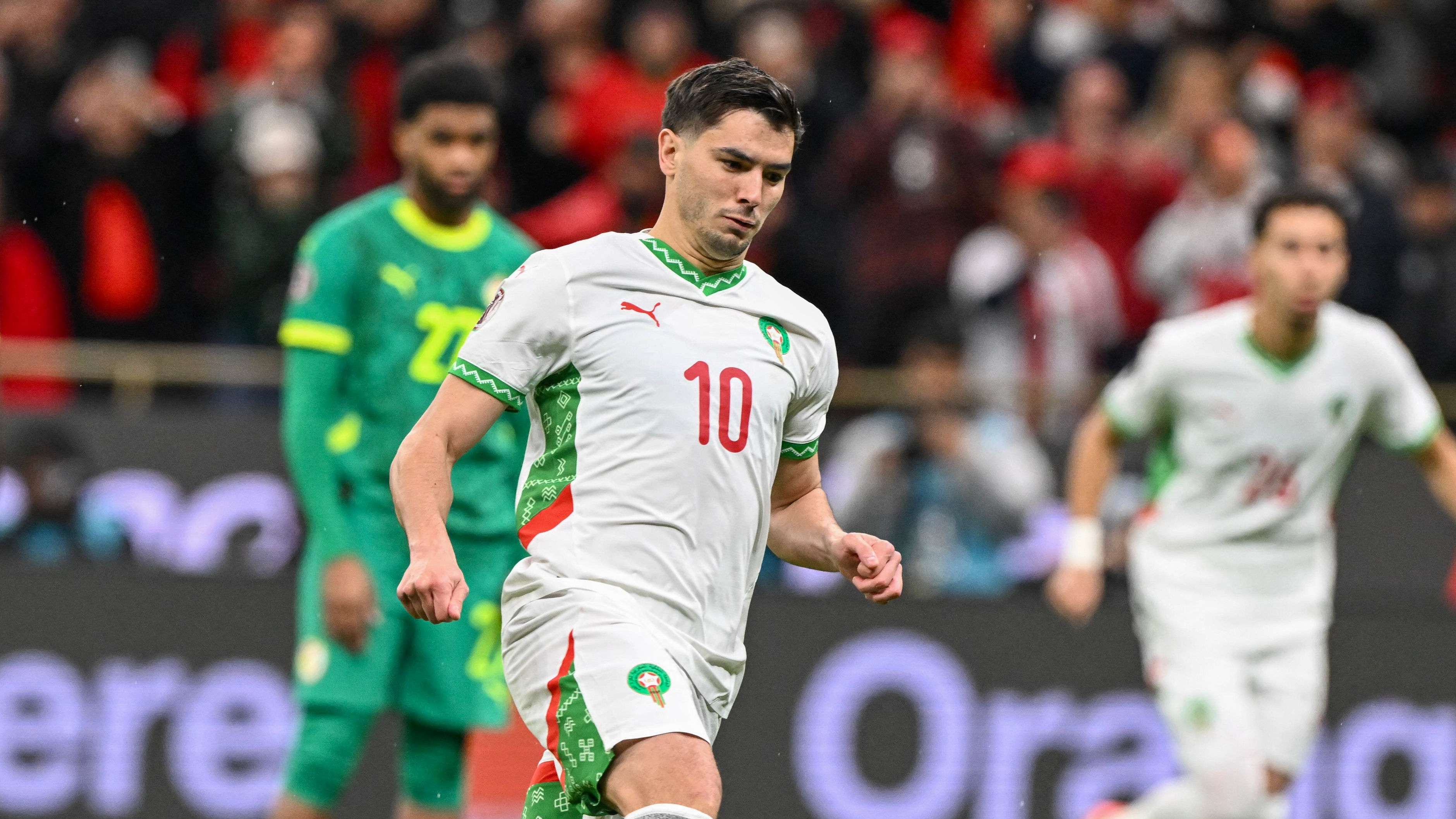
The dispute over the 2025 Africa Cup of Nations final between Morocco and Senegal is approaching a decisive moment, with the Court of Arbitration for Sport (CAS) expected to issue its ruling in the coming days. The case has drawn intense attention from football supporters because its outcome could determine whether Morocco retains the title awarded by the Confederation of African Football (CAF), or Senegal is recognised as champion instead.
Although CAS is widely regarded as the highest authority for resolving international sports disputes, its decisions are not entirely beyond legal challenge. A report by French newspaper Le Parisien says either side could, in limited circumstances, ask Switzerland’s Federal Tribunal to review a CAS ruling. That possibility does not mean the case would receive a fresh hearing on the football dispute itself. It means a party may seek to have the award annulled if it can demonstrate a serious procedural or legal defect.
Why the AFCON Final Dispute Reached CAS
The controversy stems from the final, which took place around nine months ago. Morocco was subsequently declared champion administratively after CAF accepted an appeal by the Moroccan Football Federation. Senegal’s federation challenged that decision, arguing that the outcome should not stand, and brought its case to CAS, based in Lausanne, Switzerland.
The hearing took place on Thursday, giving the arbitration panel an opportunity to consider Senegal’s appeal and the arguments presented in response. The central question is whether CAS will overturn CAF’s decision and recognise Senegal as the winner, or uphold the ruling that awarded Morocco the title. Until the written decision is issued, the precise reasoning and any conditions attached to the outcome remain unknown.
For supporters, the stakes extend beyond the trophy. The decision could shape how football authorities handle appeals, disciplinary disputes and administrative outcomes in future tournaments. It may also influence confidence in the processes used to resolve high-profile competitions when a result is contested after the final whistle.
Can a CAS Decision Be Challenged?
CAS awards can be appealed to the Swiss Federal Tribunal, Switzerland’s highest judicial authority. However, this is a tightly restricted legal route, not a second opportunity to argue the match or ask judges to choose which federation’s interpretation they prefer.
The Federal Tribunal does not ordinarily reassess the facts of a sporting dispute, review the evidence as if it were a new trial, or replace CAS’s judgement simply because one party believes the panel reached the wrong conclusion. Its role is limited to examining whether specific fundamental rules were breached during the arbitration process.
According to the grounds outlined by CAS, an award may be challenged if a party can establish a defect in the composition of the arbitration panel; show that the panel ruled beyond the requests submitted to it; demonstrate that the parties were not treated equally or that one side was denied a fair opportunity to present its case; or prove that the award is incompatible with public policy.
What Those Legal Grounds Mean
A complaint about the panel’s composition could concern whether the arbitrators were appointed in accordance with the applicable rules or whether a relevant requirement of independence was not met. A claim that the panel exceeded its authority would focus on whether it decided matters that the parties had not asked it to resolve.
The right to be heard and the principle of equality are also central to arbitration. A party might argue, for example, that it was prevented from responding to important evidence or that the process treated the two sides unfairly. Even then, the Federal Tribunal would need to assess whether the alleged problem meets the strict legal threshold for intervention.
Public policy is another narrow ground. It does not provide a general way to challenge an unpopular or controversial result. Rather, it concerns whether an award conflicts with fundamental principles recognised by Swiss law. In practical terms, a disagreement over the sporting or legal interpretation of the Morocco–Senegal case would not, by itself, be enough.
Why Only a Small Share of CAS Awards Reach the Tribunal
Challenges to CAS decisions are uncommon. The report notes that roughly 6% of CAS awards are appealed to the Swiss Federal Tribunal each year. That figure underlines the exceptional nature of the process: the fact that an appeal is legally possible does not mean it is likely to succeed.
Any party considering a challenge would need to identify a recognised ground, support it with evidence and comply with the relevant procedural requirements. The tribunal’s review would focus on the validity of the arbitration process, not on conducting another full investigation into the disputed AFCON final.
This distinction is important for football fans following the case. Even if Senegal or Morocco files an appeal after the CAS ruling, that step would not automatically suspend the decision or guarantee a change to the result. The Federal Tribunal would first have to determine whether the complaint falls within its limited jurisdiction. If it does not, the challenge could be rejected without reopening the underlying sporting dispute.
AFCON Prediction: What Happens Next?
The immediate prediction is that the CAS ruling will remain the key decision in the case. If the panel upholds CAF’s position, Morocco would retain the administrative title unless a subsequent challenge meets one of the exceptional grounds for review. If CAS accepts Senegal’s appeal, the award could instead recognise Senegal as champion, though the precise consequences would depend on the ruling’s wording.
Either outcome is likely to prompt strong reactions from supporters and football officials. But the possibility of a Swiss appeal should be understood as a safeguard against serious procedural failures—not as a routine extension of the sporting contest. The Federal Tribunal is not expected to reconsider the final simply because one side is dissatisfied with the result.
For now, both federations and fans must wait for CAS to publish its decision and explain its reasoning. That ruling should clarify the immediate status of the 2025 AFCON title and indicate whether any exceptional legal issue remains. Until then, the Morocco–Senegal dispute stands as a reminder that major football competitions can continue through complex legal channels long after the match itself has ended.