
Fedde Leysen Suffers Serious Knee Injury in Sassuolo-Milan Match
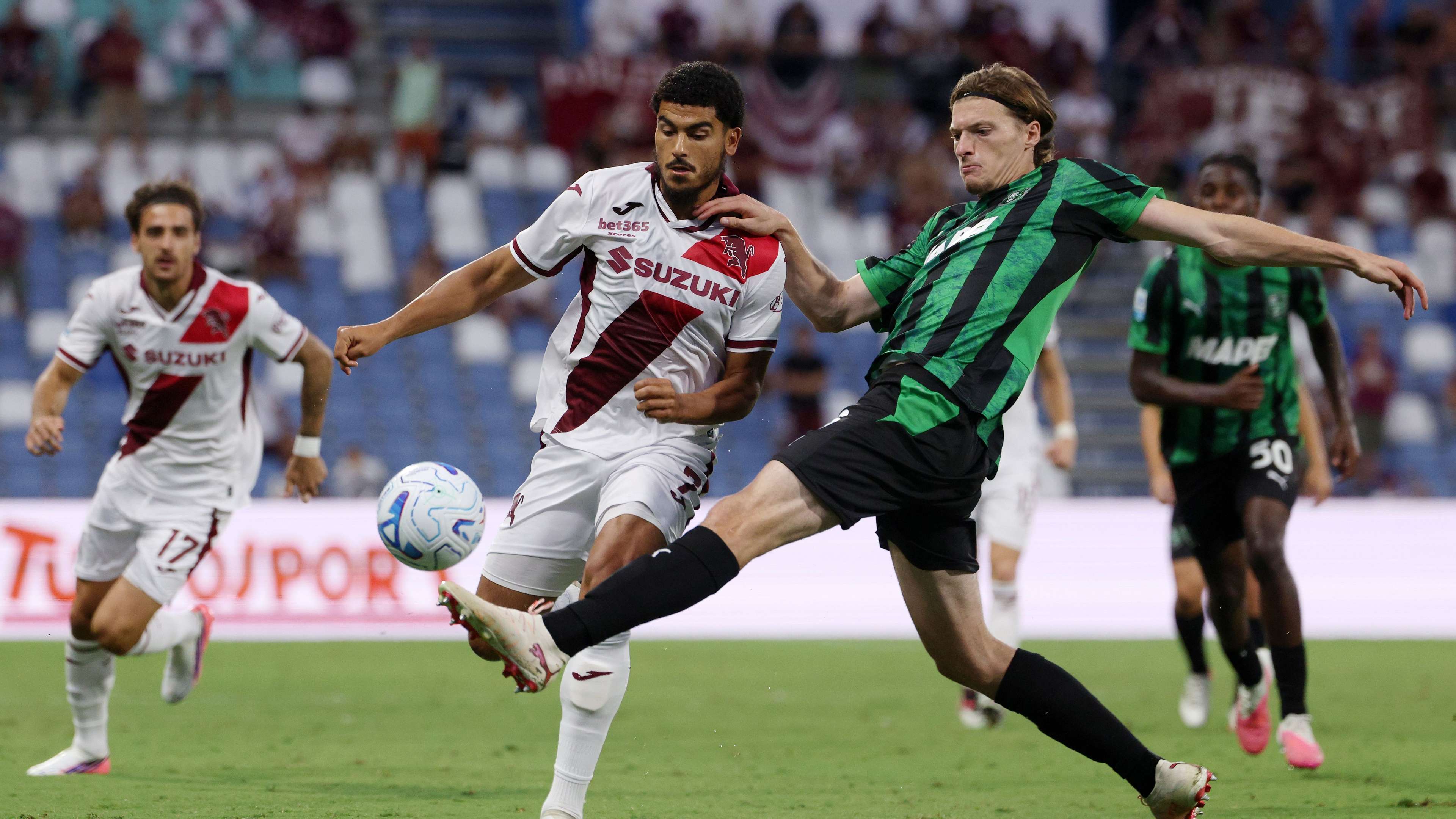
Sassuolo defender Fedde Leysen is facing a significant spell on the sidelines after medical examinations confirmed an injury to the anterior cruciate ligament in his left knee. The club announced the diagnosis following the defender’s injury during Sassuolo’s match against Milan on Sunday, 11 October.
In an official medical bulletin, U.S. Sassuolo Calcio said scans had identified the ACL injury. The club added that Leysen’s condition would be reassessed in the coming days, when medical staff will determine the appropriate surgical approach and outline the next stage of his recovery.
What Sassuolo have confirmed
The announcement confirms the nature of the injury but does not yet provide a return date. Sassuolo have not specified whether Leysen will undergo surgery, when any procedure might take place, or how long his rehabilitation is expected to last. Those details are likely to depend on further assessment by the club’s medical team and the treatment plan ultimately chosen.
ACL injuries are among the more serious setbacks a footballer can experience. The ligament helps stabilise the knee, particularly during movements such as turning, stopping suddenly and changing direction. Because those actions are central to competitive football, recovery typically involves a carefully managed process rather than a quick return to training.
Every case is different. The player’s treatment, progress through rehabilitation and response to increasing physical demands all influence the timetable. For that reason, Sassuolo’s decision to reassess Leysen before confirming the next steps is an important part of establishing a suitable recovery plan.
What the injury could mean for Leysen
For Leysen, the immediate priority will be receiving a clear medical evaluation and beginning the right course of treatment. If surgery is recommended, rehabilitation would generally progress through several stages, beginning with restoring movement and strength before moving on to more demanding exercises. Later phases may include running, football-specific drills and a gradual return to team training.
Progress is usually measured against medical and physical benchmarks, not simply the number of weeks that have passed. A player needs to demonstrate that the knee can cope with the demands of training and match play before being cleared to compete. The club has not indicated how long Leysen may be unavailable, so any prediction about his return would be premature.
That uncertainty is familiar to supporters following injury news: an initial diagnosis can establish the problem, while a more reliable timeline often emerges only after specialists agree on treatment and the player begins rehabilitation. Sassuolo’s upcoming update should therefore provide more meaningful information than speculation based on the diagnosis alone.
How Sassuolo may respond on the pitch
Leysen’s absence will require Sassuolo’s coaching staff to review their defensive options. The impact will depend on his role in the squad, the availability of other defenders and the demands of the team’s upcoming fixtures. Coaches may turn to another centre-back, adjust their preferred defensive partnership or make broader changes to the team’s shape.
Replacing a defender is not only a matter of filling one position. Partnerships at the back rely on communication, timing and familiarity, while the wider defensive unit must remain coordinated with the midfield. Sassuolo will need to maintain those connections as they adapt to Leysen’s absence, particularly in matches where opponents press aggressively or look to exploit space behind the defence.
The injury may also create an opportunity for another player to earn additional minutes. Squad depth can become especially important during a demanding run of fixtures, when teams must manage fitness while maintaining consistency. Sassuolo’s response will be shaped by the options available and by how quickly any replacement settles into the defensive system.
Why the timing matters
An injury during a league campaign can affect both short-term planning and longer-term squad management. Sassuolo must balance the need to remain competitive with the importance of avoiding unnecessary pressure on other players. That could influence selection decisions, training workloads and the club’s approach to future matches.
For supporters assessing the team’s prospects, injury information should be considered alongside form, opponent strength, home or away status and likely line-ups. A football prediction that ignores a confirmed defensive absence may overlook a relevant factor, but Leysen’s injury alone does not determine the outcome of Sassuolo’s next game. The quality of available replacements and the team’s tactical adjustments will also matter.
It is also important to distinguish confirmed information from guesswork. Sassuolo have confirmed an ACL injury and said that further assessment is pending. Until the club provides more detail, claims about a specific operation, recovery duration or return fixture should be treated cautiously.
What happens next
The next update from Sassuolo is expected to clarify whether surgery is required and how the club intends to manage Leysen’s recovery. Once the treatment plan is established, medical staff can begin mapping out the rehabilitation process and monitoring his progress over time.
For now, the confirmed diagnosis is a serious setback for the defender and a challenge for Sassuolo’s defensive planning. The club has not announced a return date, and the length of Leysen’s absence remains unknown. Supporters will be watching for further information while the team prepares to adapt its line-up and maintain stability at the back.
As Leysen begins this difficult period, the focus will be on appropriate treatment, steady progress and a safe return when he is ready. Sassuolo’s forthcoming medical updates—not speculation—will provide the clearest indication of what lies ahead for the player and the club.