
Dew, Late Starts and India’s Chase Shape the T20I Series
New Zealand captain Mitchell Santner believes dew is likely to remain a decisive factor as the T20I series against India continues. With matches starting an hour later than usual, conditions in the second innings may increasingly favour teams chasing a target—a pattern reflected in India’s 2–0 series lead.
Both matches so far have begun at 8 PM local time, rather than the more familiar 7 PM start. That shift can leave the outfield and ball affected by moisture later in the evening, potentially making it harder for bowlers to grip the ball and easier for batters to play through the line. India have won the toss and chosen to field in both games, then successfully chased their targets.
After New Zealand’s narrow defeat, Santner said the dew was less noticeable than it had been in the opening match, partly because of the wind. Even so, he expects it to remain part of the tactical picture for both sides.
“There was less dew tonight than there was the first game, I think, because the wind was up a little bit,” Santner said. “But I think it’s going to be a factor throughout the series.” He added that the later start means the ball can skid on more easily during the second innings, making the toss an important decision. While the latest chase went close, both matches have ended with the chasing side winning.
Why the toss and conditions matter
In T20 cricket, small changes in conditions can quickly influence a team’s approach. A damp ball may be more difficult for bowlers to control, particularly when attempting slower deliveries, yorkers or variations at the death. Batters, meanwhile, may find that the ball comes on to the bat more consistently. These factors do not guarantee a successful chase, but they can shape a captain’s decision at the toss and the target a batting side believes is within reach.
For New Zealand, the challenge is to adapt rather than rely on conditions staying consistent. If dew becomes heavier in upcoming games, the Black Caps may need to build extra flexibility into their bowling plans, including careful use of their seamers and spin options. India, having chased twice, will also know that a strong start with the ball can put pressure on the opposition before the conditions become more favourable for batting.
New Zealand’s pace concerns ahead of a busy schedule
New Zealand’s chase was complicated by the absence of two frontline fast bowlers for their full allocations. Matt Henry and Lockie Ferguson were unable to complete their overs after experiencing what Santner described as precautionary injuries. Henry reported tightness in his calf, while Ferguson also left the field.
Santner said the team did not want to take unnecessary risks with a one-day series and Test cricket to follow. New Zealand will assess both players after the match and hope they recover quickly, but the tight schedule makes workload management especially important. A minor issue can become more serious if a player is pushed too hard across formats, so the team’s decision to be cautious reflects the demands of the weeks ahead.
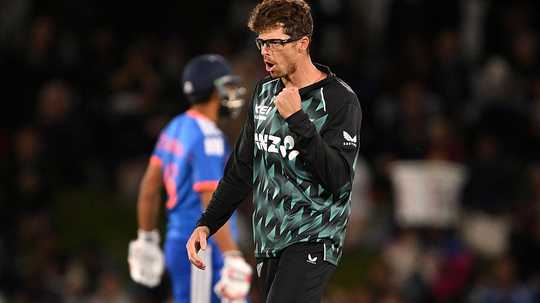
Their availability could be significant for New Zealand’s plans. Henry offers control and experience with the new ball, while Ferguson brings pace and the ability to challenge batters with short deliveries. Losing either bowler during a chase can force a captain to redistribute overs, leaving fewer options for key moments. In this match, Santner himself delivered an outstanding spell, taking four wickets for 21 runs, but India’s lower-middle order eventually found a way through.
Tilak Varma leads India’s late turnaround
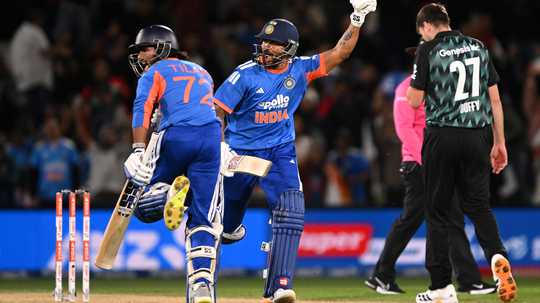
India’s chase was rescued by a composed contribution from Tilak Varma, supported by Naman Dhir and Nitish Reddy. The trio turned a difficult situation into a winning finish, showing how quickly momentum can shift in a T20I. Santner praised the batters, particularly Tilak, whose innings combined patience with the ability to accelerate when the opportunity arrived.
Santner has seen Tilak’s development closely through their time with Mumbai Indians in the IPL. He noted that the left-hander’s role has changed over time. Having previously batted higher in the order, Tilak has also had to adjust to the demands of the middle order, where players must judge the match situation, manage risk and prepare to score rapidly at the end.
That adaptability was central to India’s recovery. Rather than forcing shots against a disciplined bowling attack, Tilak helped keep the chase alive until the closing overs. Santner also highlighted Dhir’s confidence at the crease and credited Reddy’s contribution to the finish. For India, the innings offered a reminder that successful T20 chases are not always built on one explosive partnership; they can depend on batters taking turns to absorb pressure and attack.
Nitish Reddy’s belief in one big over
Reddy said the turning point came from the belief that one productive over could change the contest. After Dhir was dismissed, India still needed 69 runs from 31 balls and had only four wickets remaining. The equation was demanding, but Reddy and Tilak focused on keeping the scoreboard moving rather than allowing the required rate to dominate their thinking.
“We were just talking like we have to believe that we’re gonna get one strong good over,” Reddy explained. He said the pair looked to run hard, turning good deliveries into twos where possible, and punish loose balls for boundaries. That approach helped place New Zealand’s bowlers under pressure and made use of the ground’s dimensions.
The strategy reflects a useful lesson for teams and fans analysing any T20 prediction: a high asking rate does not tell the whole story. Wickets in hand, boundary size, the quality of the batters at the crease and the availability of a bowler’s remaining overs can all change the likely outcome. One strong over can shift momentum, but it is often the running between wickets and decision-making in quieter passages that create the opportunity for it.
Reddy balances ambition with injury management
Reddy also spoke about the physical demands of being an all-rounder. Because he is expected to contribute with both bat and ball, his practice workload and recovery requirements can be greater than those of a specialist. He described injury setbacks as part of the sport, while stressing that staying fit and being available for India remain priorities.
His comments underline the balance modern all-rounders must maintain: preparing thoroughly without overloading the body. As the series progresses, India will want Reddy to continue contributing in both departments, while New Zealand will be monitoring Henry and Ferguson ahead of the next fixtures.
With India holding a 2–0 advantage, the remaining matches carry added importance for the visitors. New Zealand will need to respond to India’s successful chasing formula, manage its fast-bowling resources and account for the possibility of late-evening dew. For supporters following the cricket, those conditions will be central to the next match’s prediction—but, as this contest showed, composure under pressure can matter just as much as the toss.