
Justin Sammons to Leave Zimbabwe Head Coach Role After UAE Tour
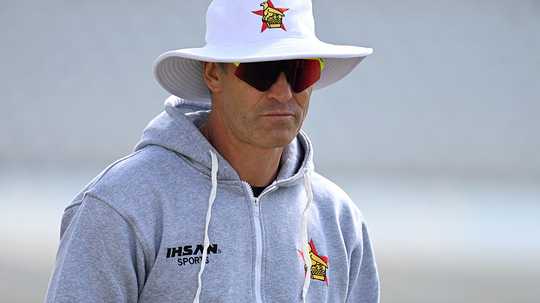
Justin Sammons will step down as head coach of Zimbabwe’s men’s cricket team once the current tour of the United Arab Emirates is complete. Zimbabwe Cricket confirmed the decision on Saturday, November 14, saying the South African coach wants to return home to spend more time with his family.
The ongoing second Test between Afghanistan and Zimbabwe will be Sammons’ final assignment in charge. His departure brings an end to a relatively short but significant spell, during which the team achieved notable milestones in both Test cricket and the T20 format.
Sammons cites family as reason for departure
In a statement announcing his resignation, Sammons described leading Zimbabwe as an experience he would remember fondly. He thanked the Zimbabwe Cricket Board for giving him the opportunity and acknowledged the contribution of staff across the organisation, including administrators and ground personnel.
He also praised the players and technical team for their commitment to improvement, saying their dedication made his time with Zimbabwe especially meaningful. His decision, the statement indicated, reflects a desire to return to South Africa and be closer to his family rather than dissatisfaction with the role or the team’s direction.
That distinction matters for Zimbabwe as it begins planning its next coaching appointment. A head coach’s departure can unsettle a team, particularly when it follows a period of progress, but a clear explanation and an orderly transition may help the players maintain focus through the remainder of the international calendar.
A tenure marked by historic T20 World Cup progress
Sammons took charge of Zimbabwe in June 2024. One of the defining achievements of his tenure came at the T20 World Cup earlier this year, when Zimbabwe reached the Super Eight stage for the first time in the country’s history.
The campaign offered a major boost to Zimbabwe cricket and demonstrated the team’s ability to compete on a global stage. Reaching the Super Eight required more than individual performances: it called for consistent planning, effective use of the squad and the ability to adapt to different conditions and opponents. The achievement gave supporters fresh reason for optimism and offered the players valuable experience in high-pressure matches.
For a side seeking to re-establish itself among international cricket’s most competitive teams, that progress could have a lasting impact. Strong performances at a major tournament can build belief within a squad, attract wider attention to the national team and create momentum for future competitions. Any prediction about Zimbabwe’s next steps will depend on whether the team can carry that confidence into upcoming tours and tournaments.
Memorable Test victories add to his record
Sammons’ impact was not limited to T20 cricket. Zimbabwe also recorded important Test wins during his time as coach, giving the team results to build on in the longest format. Test cricket presents a different challenge from the shorter game, demanding patience, tactical discipline and the ability to sustain performance over several days.
Those victories were especially valuable for a Zimbabwe side working to strengthen its place in the international game. They provided evidence that the team could compete across formats and suggested that its development was not confined to the fast-paced demands of T20 cricket. The combination of Test success and a historic World Cup run gives Sammons’ tenure a broader significance than a single tournament result.
His final match in charge, the second Test against Afghanistan in the UAE, therefore carries added interest. While the result will not define his entire coaching record, it gives the team one last opportunity to finish his tenure with a strong performance. For fans following the series, the match also offers a chance to assess Zimbabwe’s form and consider how the side may fare under its next coach.
Zimbabwe Cricket acknowledges Sammons’ contribution
Zimbabwe Cricket Managing Director Givemore Makoni said the organisation found the resignation difficult to accept but respected Sammons’ decision to return home. Makoni credited the coach with working hard to improve the players and pointed to the team’s progress as visible in its Test victories and its performances at the T20 World Cup.
The comments reflect the challenge facing the board: recognising the personal reasons behind Sammons’ choice while ensuring that the progress made during his tenure is not lost. The next appointment will need to understand the strengths of the current squad and continue developing players across formats, rather than simply attempting to reproduce past results.
What comes next for Zimbabwe?
Zimbabwe Cricket has not yet announced who will succeed Sammons or outlined a timetable for the appointment. In the meantime, the organisation will need to manage the transition carefully, maintain continuity in training and preparation, and give players clarity about the team’s immediate plans.
The incoming coach will inherit a side with recent achievements to draw upon, but also with the usual demands of international cricket: building depth, improving consistency and converting promising performances into regular results. Zimbabwe’s progress at the T20 World Cup and its memorable Test wins have raised expectations, making the next phase important for both the team and its supporters.
For Sammons, the UAE tour marks the close of a chapter that included a historic tournament breakthrough and meaningful success in Test cricket. For Zimbabwe, his departure is both a moment to recognise those accomplishments and an opportunity to carry that momentum forward. The team’s future prediction will ultimately rest on its ability to retain the standards established under Sammons while adapting to new leadership and the challenges ahead.